A Piano-Driven EP Captured Live In Nashville, Where Protest, Grief, And Grace Meet
listen to the article
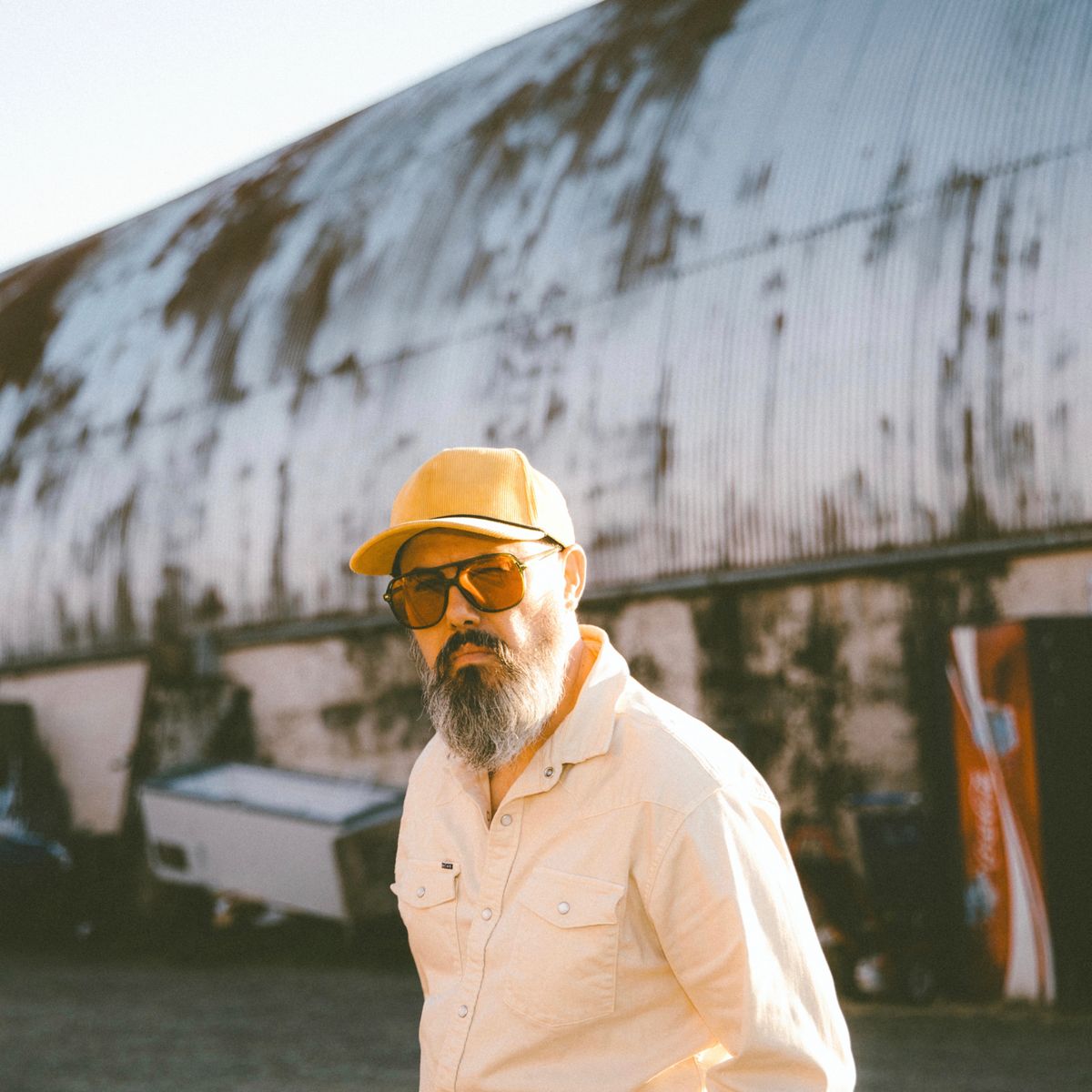
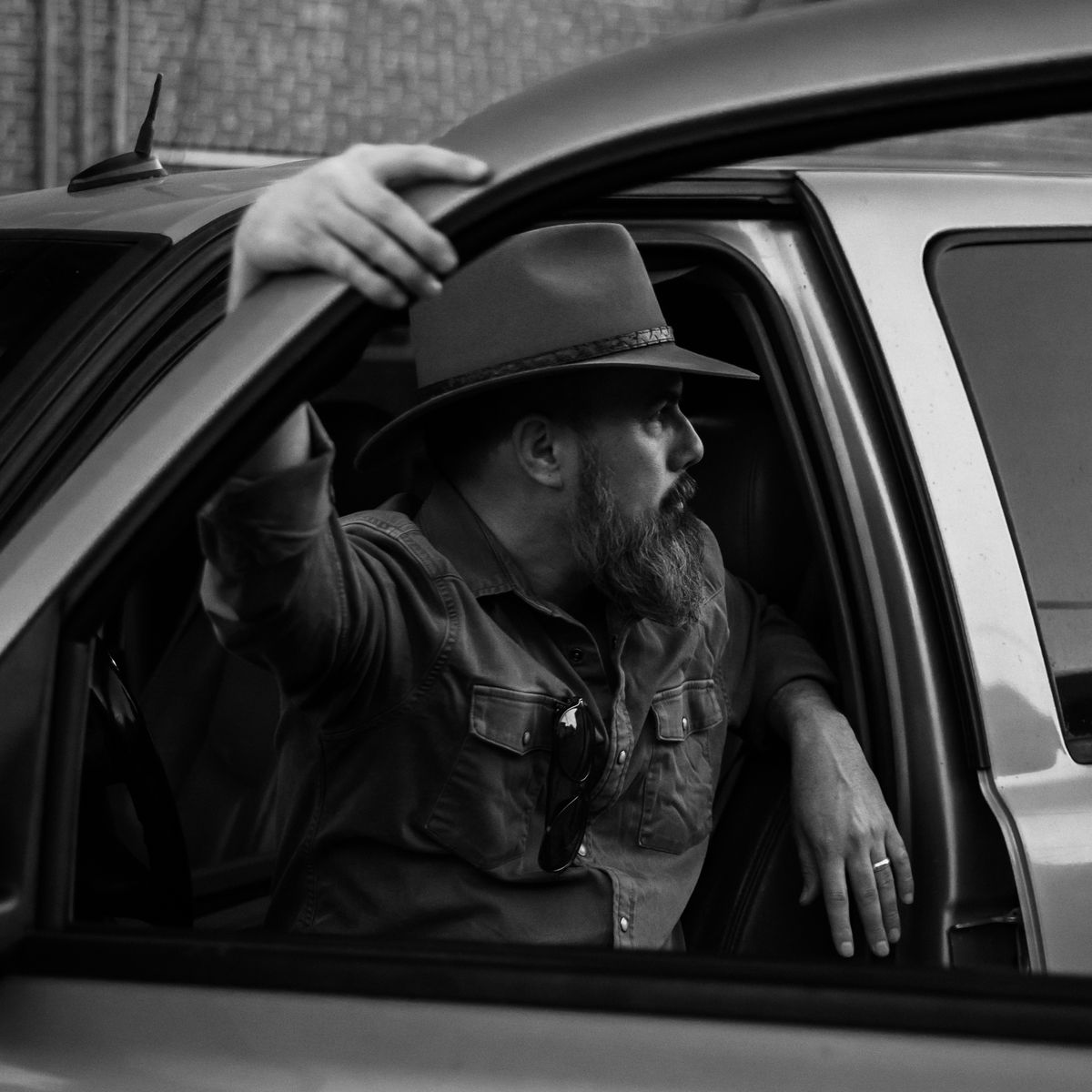
Jason Lenyer Buchanan trusts what happens when musicians share a room and leave themselves nowhere to hide. On Lazarus, the Texas-rooted songwriter builds a three-song EP around that principle: no overdubs, no layers added later to smooth the edges, just a band responding to one another in real time. Recorded live at The Owl Studio in Nashville with producer Joel Rousseau and engineer Dan Davis, each song was captured in two or three takes. The air between the instruments remains part of the recording.
That restraint also marks a shift in Buchanan’s musical language. Where guitar once carried much of the weight, Lazarus places piano and Fender Rhodes closer to the centre, with Hammond organ adding a low, burnished warmth underneath. Buchanan’s baritone retains its weathered Texas grain, but the extra space changes how it lands. Phrases hang longer. Silences matter more. Rather than crowding the songs with detail, the arrangements allow the writing to reveal itself at its own pace.
Each track approaches a different kind of reckoning. On Lazarus
, Buchanan directs his attention toward faith and public responsibility, framing the song as a protest against what he sees as the church’s failure to stand alongside immigrants amid aggressive ICE enforcement. He resists turning that anger into spectacle. The vocal stays measured, allowing the accusation to gather weight through repetition and restraint rather than volume.
Somewhere in Between
shifts the perspective toward identity and ambition, tracing a woman through Hollywood’s glare and the slow erosion that can happen when aspiration begins to overwrite the self. Fiddle from Nate Leath threads through the arrangement, adding another shade of ache without making the song sentimental. This Old Truck
brings the EP closest to home. Written for Buchanan’s late father and centred on the vehicle they rebuilt together, the song anchors grief in tactile memory: metal, oil, labour, and the intimacy of working beside someone you eventually have to remember without them.
Rousseau surrounds Buchanan with players who understand that restraint is an active choice. Scott Mulvahill holds down the bass, Craig Dockery colours the songs with Hammond organ, Josh Seurkamp keeps the drums responsive rather than imposing, and Leath’s fiddle appears where the song needs another voice. Rousseau’s electric guitar on This Old Truck
adds movement without disturbing the EP’s closeness. Dockery’s description gets to the heart of the session: “This sounds like people actually making music together, which is beautiful and too rare.”
That communal quality keeps Lazarus grounded even as Buchanan writes through grief, upheaval, faith, and social tension. The songs are serious without becoming solemn monuments to their subjects. Their weight comes from proximity: players listening closely, a voice allowed to crack at the edges, instruments occupying the same physical space.
Buchanan has described these as some of the songs he feels closest to, and Lazarus makes clear why. Nothing is overbuilt. Nothing is disguised. The EP leaves the room intact and trusts that three songs, played together with attention, can carry more than polish ever could.
If you would like to submit your music for playlist or feature consideration, please submit here via our partnership with MusoSoup.