
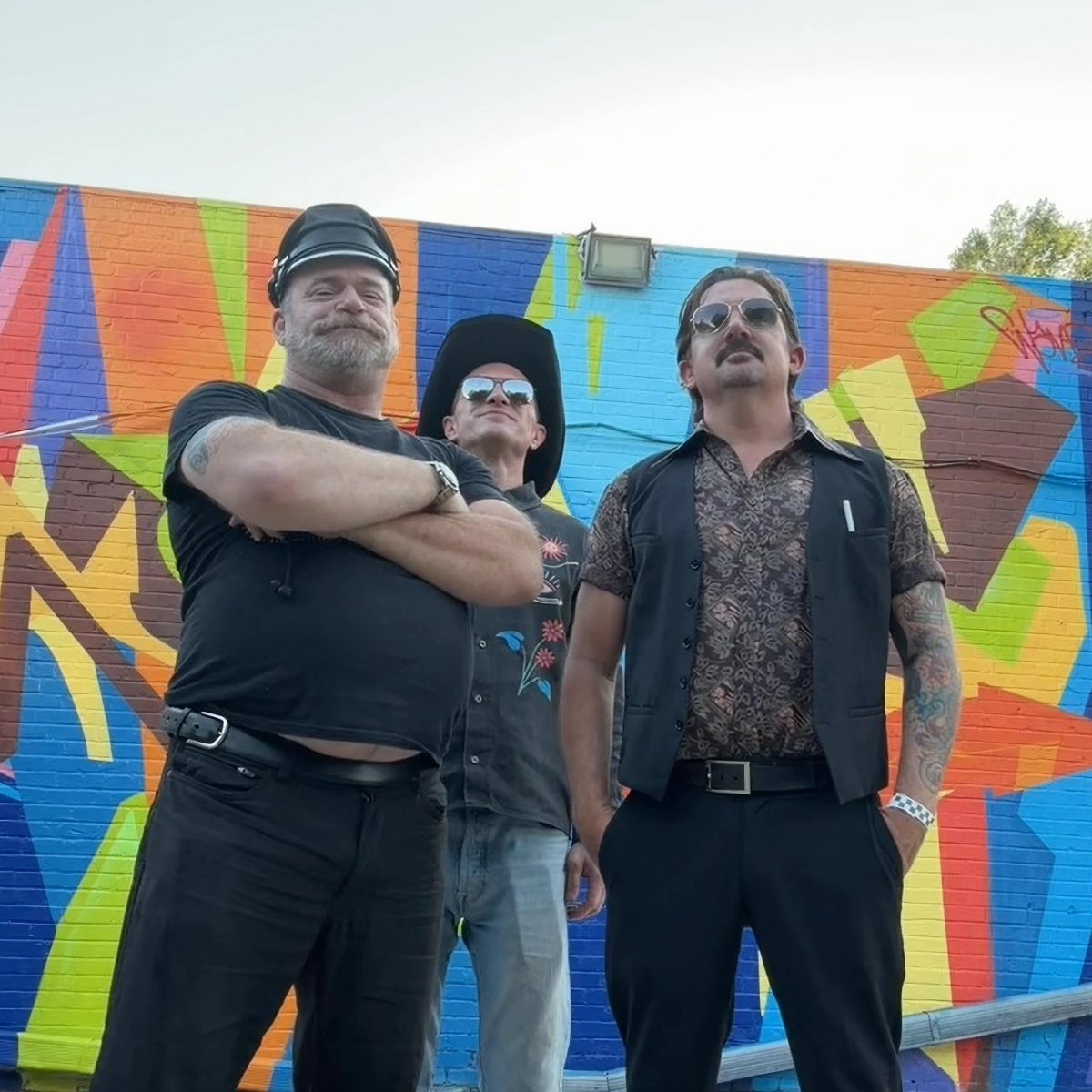
Austin Psych-Goth Trio Turn Chaos, Friendship, and Texas Swagger Into Something Bright
listen to the article
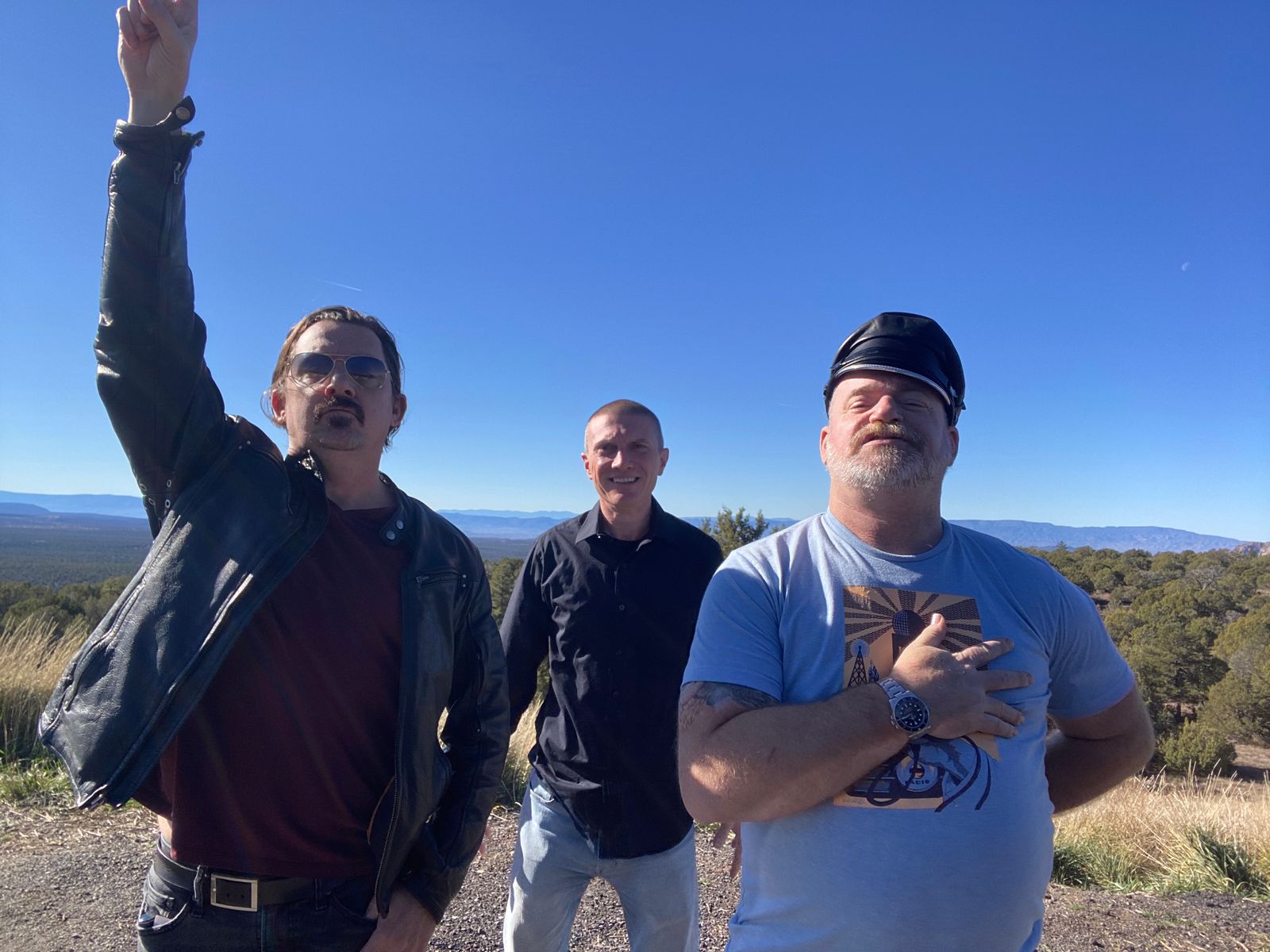
The Schisms make darkness sound restless rather than heavy. On I Learn To Love
, the Austin trio loosen the bolts on their psych-goth instincts, colliding punk snap, Bo Diddley rhythm, fuzzy guitar, and a streak of swampy mischief. As the opening piece of Tejas, the song introduces a version of the band that is still strange and shadowed, but increasingly interested in what might exist beyond the gloom.
Frontman Carson Barker began the song as a mantra and completed much of it spontaneously in the studio with producer Stuart Sikes. That unfinished quality became part of its character. The rhythm bucks forward with an almost unstable momentum, guitars smear around the edges, and Barker’s vocal rides the groove without trying to impose too much order. Nothing feels excessively polished. Instead, I Learn To Love
carries the energy of an idea being discovered while it is played.
That instinctive approach suits the song’s emotional movement. Rather than presenting hope as a clean break from difficulty, Barker lets it emerge gradually through repetition: survival giving way to openness almost before the narrator realizes the shift has happened. The music keeps enough grit in its teeth to stop that optimism from becoming sentimental. The Schisms remain drawn to distortion, menace, and odd angles; they are simply allowing those qualities to coexist with something brighter.
That tension extends across Tejas. Barker began writing parts of the EP alone in a winter cabin in the Colorado mountains before completing the material in the studio, creating a natural contrast between isolation and collaboration. He initially recorded the instrumental parts himself, before bassist and keys player Goose McCollum and drummer Michael Stockton helped reshape the material around the chemistry of a working trio.
That chemistry carries history. Barker, McCollum, and Stockton grew up in the same town, and Tejas draws on that familiarity alongside its distinctly Texan frame. The title itself nods toward friendship, while the wider project pulls from the state’s humour, contradictions, and rougher textures. For the I Learn To Love
video, the band wanted Austin to appear less like a polished cultural postcard than the city they know: VHS grain, roadside clutter, familiar clichés pushed sideways, and the stranger corners that resist tidying up.
There is a surrealist streak running underneath it all, with figures such as Alejandro Jodorowsky feeding into the band’s broader visual imagination. But I Learn To Love
ultimately works through simple means. Its central thought is direct, its arrangement moves by instinct, and its optimism arrives scuffed rather than spotless.
For The Schisms, that feels like the point. Tejas does not abandon the band’s darker instincts; it gives them somewhere else to go. On I Learn To Love
, hope does not arrive as revelation. It slips in through the cracks, carrying fuzz, sweat, and Texas dust with it.
If you would like to submit your music for playlist or feature consideration, please submit here via our partnership with MusoSoup.