> Paperback: New Rock – feature updates every Wednesday
listen to the article
Dr. Judy Kuriansky & Russell Daisey – Towers of Light
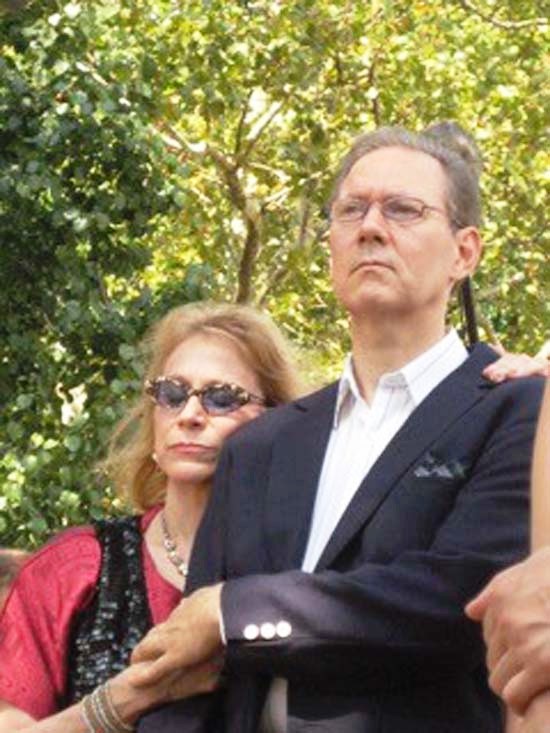
“Towers of Light” Carries Remembrance Beyond The Monument
Born in the emotional wake of September 11, Dr. Judy Kuriansky and Russell Daisey’s “Towers of Light” feels less like a memorial song than a living ritual. Kuriansky, a Red Cross mental-health responder at Ground Zero, and Daisey shape grief into something quietly luminous: piano, voice, and language that move with the weight of trauma but keep reaching for air. What began as a response to the Tribute in Light has traveled to memorials, peace summits, and sacred spaces on five continents, finding new meaning in Hiroshima, Japan, and beyond.
That reach gives the song its force. It honours the lost, the responders, and the survivors without ever hardening into monumentality. Instead, it swells with empathy, carrying the ache of 9/11 while speaking to any community marked by catastrophe. In a culture that often rushes past remembrance, “Towers of Light” insists on it, beautifully and without excess.
Scott A. Flaxman – Love of Strangers
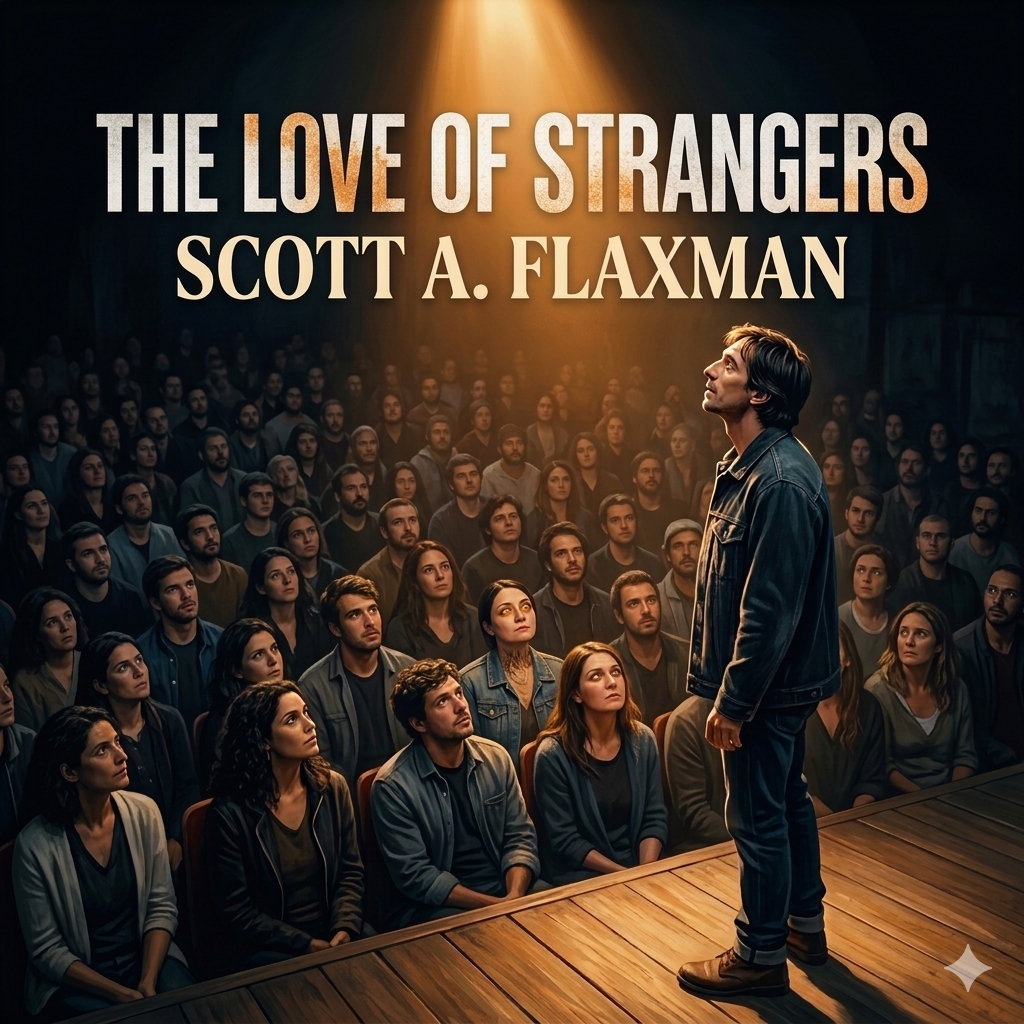
Scott A. Flaxman Looks Outside The Inner Circle On “The Love of Strangers”
Scott A. Flaxman builds “The Love of Strangers” around a familiar creative frustration: sometimes the people closest to an idea are the least able to see it clearly. Written and conceived by the Northern California songwriter and producer, the track uses entirely AI-driven production to frame that tension as a slow-building indie-rock ballad.
Flaxman’s broader work treats technology as a way of bringing long-held ideas off the page, and here that approach serves a distinctly human theme. The song moves from isolation and self-doubt toward the relief of recognition, imagining the artist stepping beyond familiar criticism and finding support elsewhere. Rather than romanticizing validation, “The Love of Strangers” sits with a quieter truth: sometimes distance gives people room to see the work more clearly.
Cupp – Heaven’s Gate

Cupp Looks To Faith And Open Skies On “Heavens Gate”
Cupp’s “Heavens Gate” draws spirituality toward something elemental: open air, stillness, and the sense that belief can exist as much in nature as in doctrine. The artist writes the lyrics, beginning with an a cappella vocal before using Suno, AI-assisted prompting, and AI-generated instrumentation to shape the surrounding production.
That process leaves the song’s emotional centre firmly rooted in Cupp’s own writing. “Love is the path to show you the way,” they offer, distilling the track’s devotional outlook into a simple guiding thought. Rather than leaning on grand religious imagery, “Heavens Gate” stays close to everyday reflection, finding spiritual meaning in optimism, quiet attention, and the idea that stepping outside can open something inward.
Stephanie Ezatoff – Run On

Stephanie Ezatoff Brings Blues-Rock Gospel Grit To “Run On”
On “Run On,” Stephanie Ezatoff approaches a Gospel standard with reverence but plenty of grit. Her tribute to Elvis Presley’s 1967 recording keeps the song’s devotional weight intact, while Aaron Minick’s arrangement pushes it through bluesy rock guitars, driving rhythm, and stacked vocal harmonies. Ezatoff performs every vocal part herself, building a choir-like presence from a single voice.
Recorded at Nashville’s Sound Shop Studio on Music Row, near RCA’s Studio B, the track carries a deliberate connection to Presley’s history without feeling trapped by it. Ezatoff leaves the hymn’s stark themes of love, judgment, and consequence untouched, letting the message land with its original force. “Run On” feels rooted in Gospel tradition, but its muscular rock treatment gives that tradition fresh physicality.
ReeToxA – Double A Side 2 (Akaroa / Erica And The Stars)
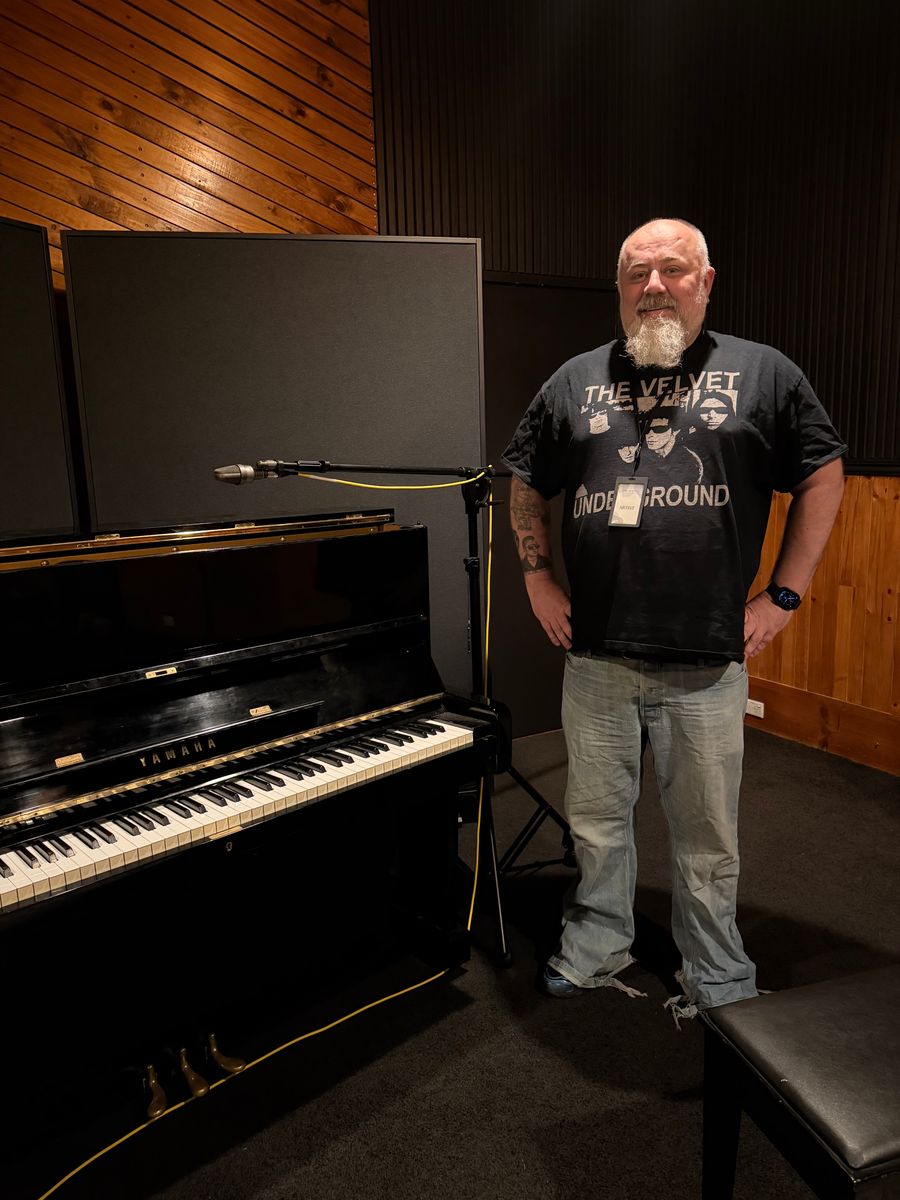
Reetoxa Lets Memory Shimmer On Double A Side 2
ReeToxA’s Double A Side 2 (Akaroa / Erica And The Stars) places two deeply personal songs in markedly different musical settings, linked by Melbourne songwriter Jason McKee’s soft, bright vocal presence. There’s an ache in his delivery, but also a sense of openness that keeps the material from settling too heavily.
“Akaroa,” inspired by a vivid dream and later completed on New Zealand’s coast, leans into shimmering, guitar-driven movement, its layered textures carrying the song forward with melodic ease. “Erica And The Stars” begins somewhere quieter, with piano, fingerstyle guitar, and cello opening the space before strings gradually widen the frame. The Budapest Orchestra brings McKee’s imagined parts fully to life, giving the song breadth without overwhelming its intimacy. Simon Moro’s production holds the contrast together with clarity and restraint.
If you would like to submit your music for playlist or feature consideration, please submit here via our partnership with MusoSoup.