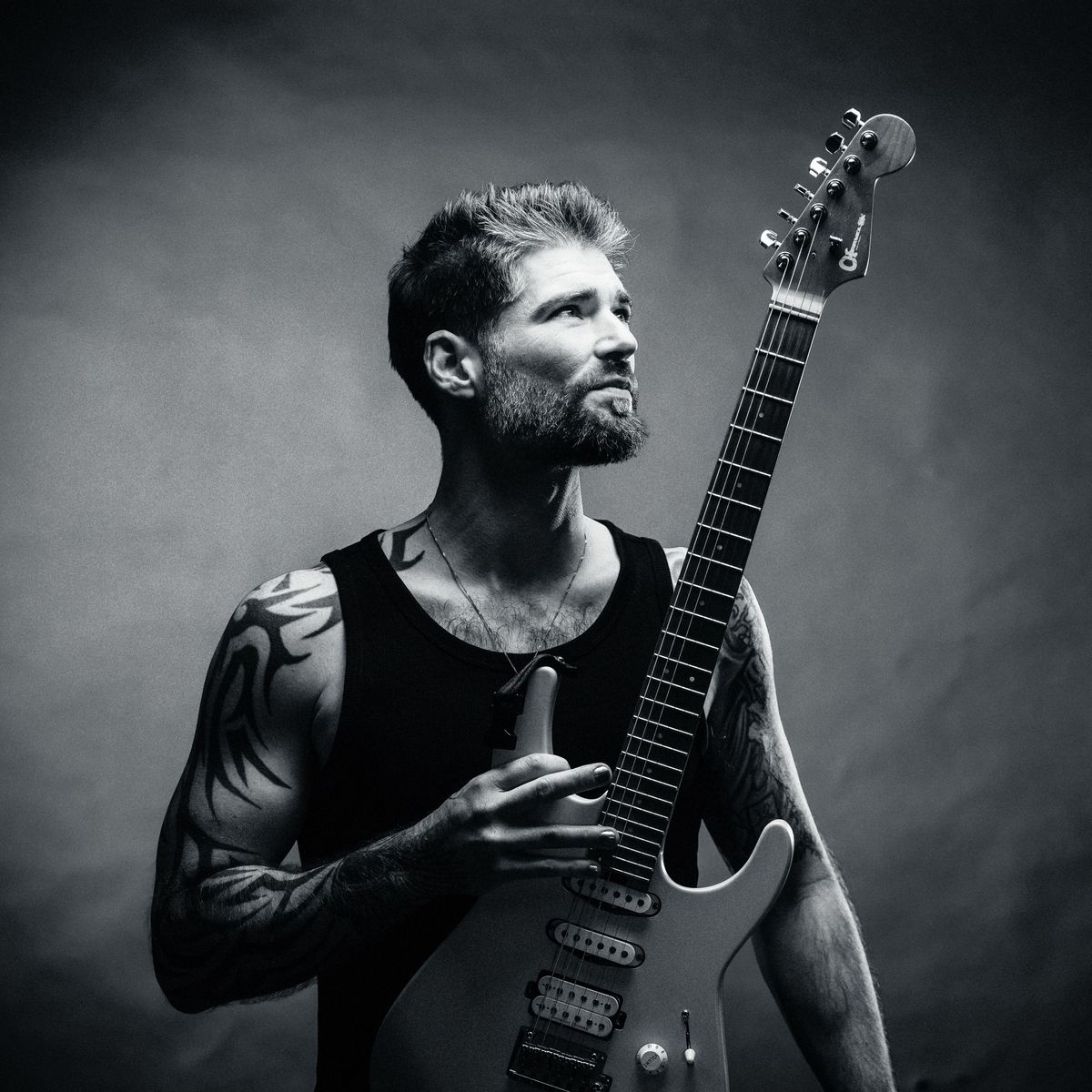
Manchester Guitarist Folds Jazz, Funk And Rock Into A Tight, Playful Debut Statement
listen to the article
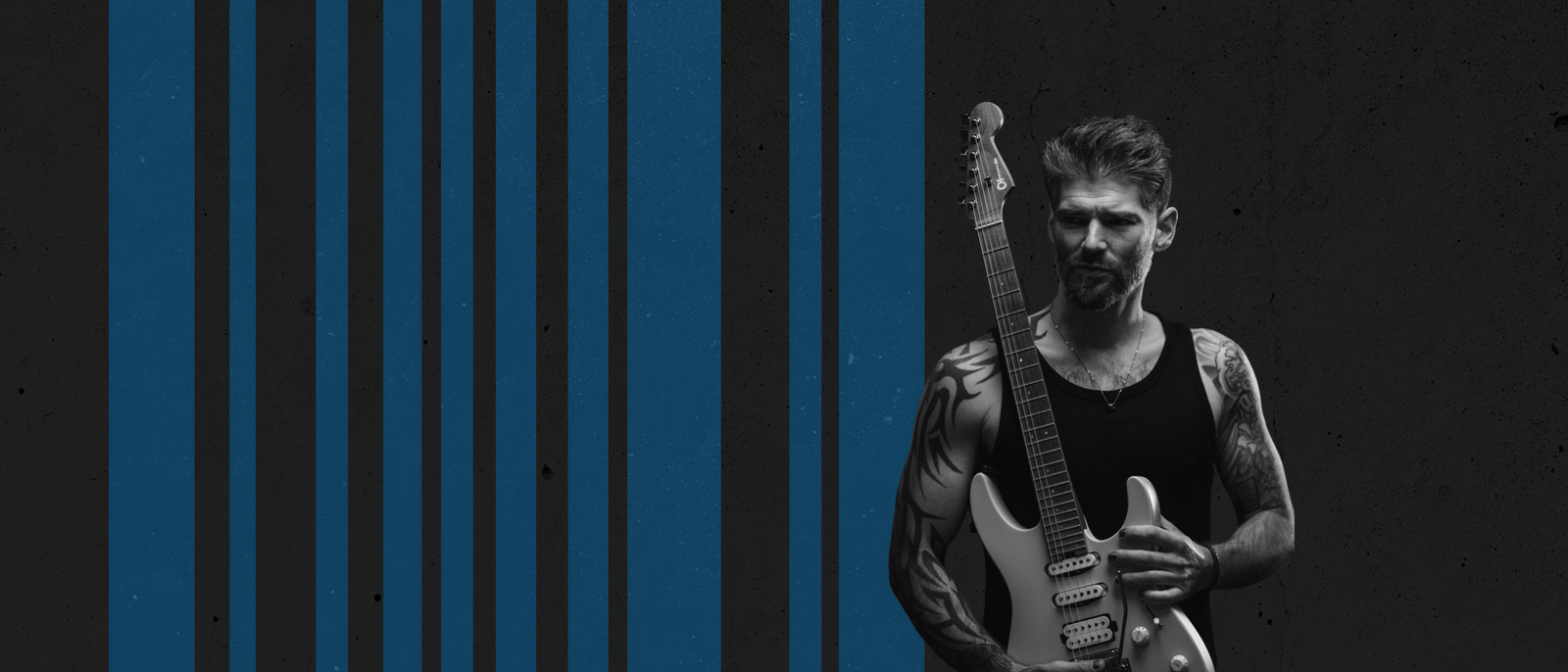
Jimmy Beedham introduces Faking It through the live-wire momentum of Trojan Funk.
The lead single from the Manchester guitarist and songwriter’s debut album, due in November 2026, captures the record’s governing principle: musicians playing together in a room, responding in real time and leaving the human grain of the performance intact.
That immediacy runs through the track. Trojan Funk
moves on a taut bebop-funk groove, with Beedham’s guitar cutting through the arrangement in quick, articulate phrases while the rhythm section keeps the music elastic beneath him. The playing is technically assured, but the composition never becomes an exhibition. Its energy comes from exchange—the subtle adjustments, rhythmic feints and flashes of spontaneity that emerge when musicians trust one another enough to take risks.
Beedham has worked professionally since his teens, and Trojan Funk
carries the assurance of someone who understands both the discipline and pleasure of ensemble playing. Its jazz, funk and rock vocabulary places it near the Brecker Brothers, George Benson and Steely Dan, though those influences function more as coordinates than templates. Beedham draws from their harmonic precision and rhythmic sophistication while grounding the track in the muscular, collaborative character of the UK instrumental scene.
As the first entry point into Faking It, the single also establishes the album’s emphasis on personality over polish. The project was built around live studio performances, preserving the slight frictions and spontaneous decisions that can disappear when every element is isolated and corrected. Beedham’s guitar remains central, but the record is structured as a conversation rather than a showcase.
That distinction is reinforced by the musicians surrounding him. Neil Fairclough, John Dagnall, Neil Edwards, Stu Fagan and the wider ensemble each bring a different contour to the material, allowing the album to shift between tightly wound funk, jazz-rock propulsion and more open fusion passages. Rather than presenting Faking It as a collection of disconnected demonstrations, Beedham shapes it as a continuous listening experience. The first side moves with the logic of an extended exchange, its tracks feeding into one another, while the second opens outward through saxophone, blues-inflected writing and broader instrumental detours.
Trojan Funk
carries that larger architecture in concentrated form. Its groove is immediate, but the arrangement remains alert to small changes in emphasis and texture. The guitar lines dart and settle; the rhythm section tightens, releases and redirects the momentum. The track feels composed without becoming rigid, leaving enough space for the players’ individual instincts to remain audible.
There is also a deeper human presence behind Faking It. The album is dedicated to Dave Speakman, who was closely involved in the recording before his death. That dedication gives the decision to preserve the performances as they happened an added resonance. The record becomes not only a document of musicianship, but of time shared between people—captured before it could be revisited or reconstructed.
With Trojan Funk,
Beedham opens the album through movement, chemistry and a streak of mischief. The single does more than preview Faking It’s jazz-funk vocabulary; it reveals the values holding the record together: attentive playing, collective instinct and the belief that a performance gains character from the traces its musicians leave behind.
If you would like to submit your music for playlist or feature consideration, please submit here via our partnership with MusoSoup.