A Monastery Recording, Maritime Echoes, And A Restless Americana Heart
listen to the article
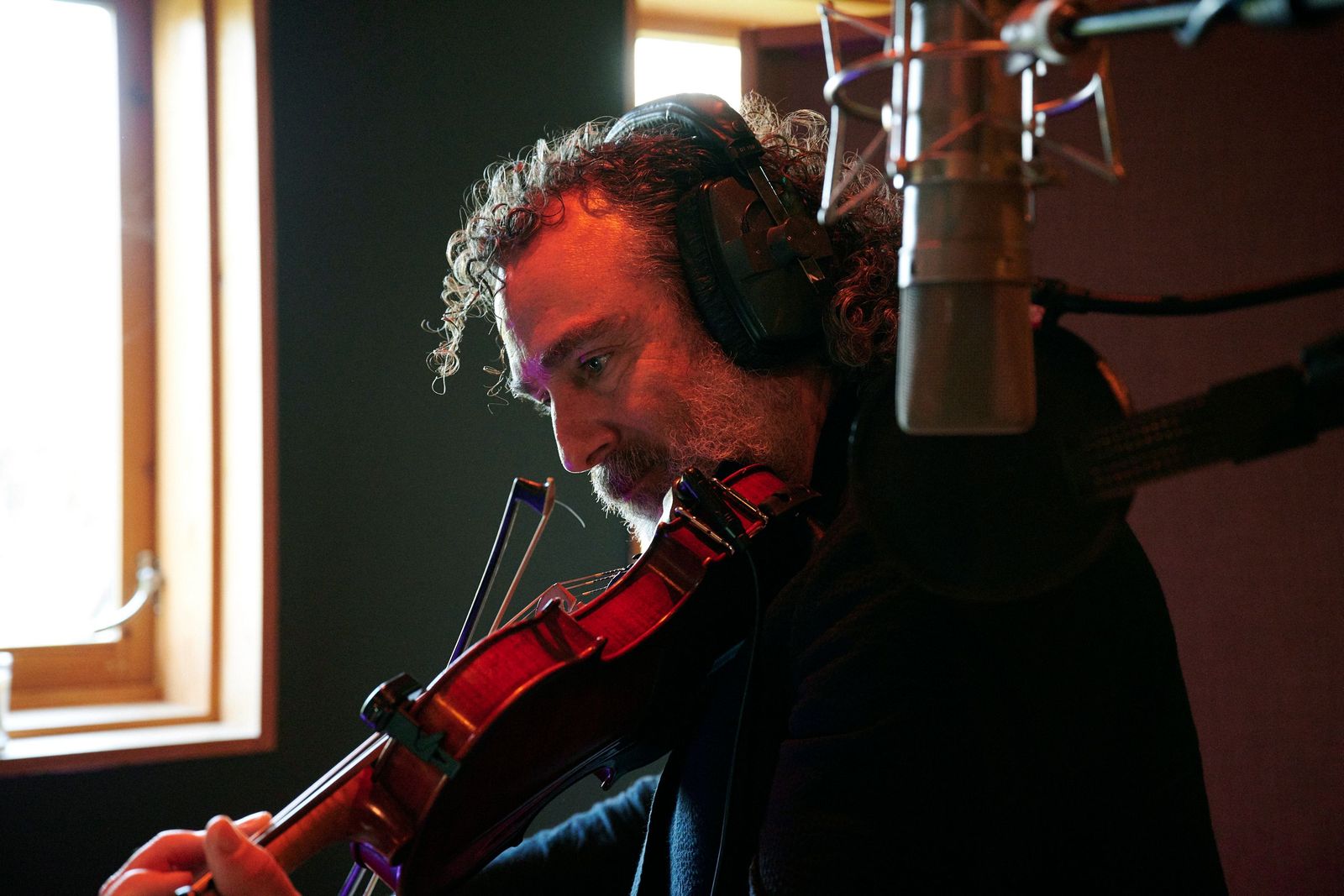
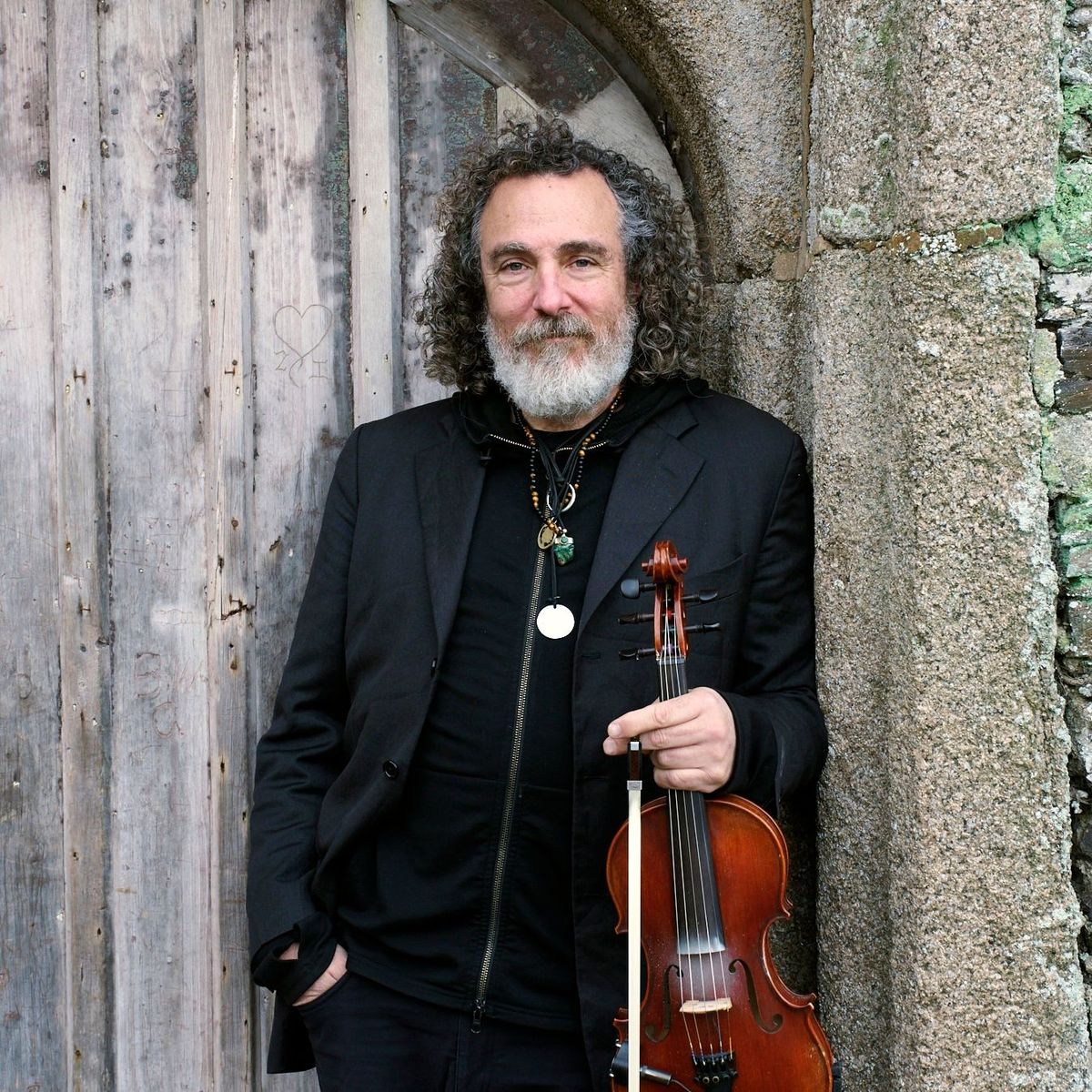
"On Songs From the Trees, Los Angeles violinist, singer-songwriter, and multi-instrumentalist Chris Murphy joins British folk musician Seth Lakeman for seven songs shaped by old forms, restless arrangements, and the pull of unfamiliar ground. Their collaboration draws from maritime songs, Appalachian folk, world rhythms, and British fiddle traditions, yet avoids treating the past as something preserved behind glass. The music feels physical and immediate, full of bow scrape, wood, breath, and strings vibrating in open space."
Murphy describes his work as a “live film score,” an approach that suits the album’s broad visual reach. His plain-spoken lyrics and weathered delivery carry traces of Neil Young, Leonard Cohen, and Bob Dylan, while Lakeman introduces a more distinctly British vocabulary through banjo, fiddle, guitar, and mandolin. Rather than sitting politely behind Murphy’s writing, those instruments alter the songs from within. Fiddle lines rise and recede; banjo patterns add nervous motion; mandolin brightens passages before the arrangements slip back into shadow.
The setting contributes its own voice. Recorded in a 16th-century monastery in Plymouth, the album carries the room’s natural resonance: notes stretching into stone, silences holding a little longer than expected. The nearby expanse of Dartmoor also seems to press against the material, lending it a windswept scale without overwhelming the intimacy of the performances. Even at its most expansive, the record retains the closeness of musicians listening carefully to one another.
Murphy was drawn to Lakeman’s ability to connect ancient musical language with modern energy, and Songs From the Trees repeatedly explores that meeting point. Gothic Appalachian moans sit beside Peter Gabriel-influenced rhythms; maritime echoes surface within progressive folk arrangements; ethereal fiddle passages drift through choruses built to be remembered. The references remain distinct rather than collapsing into a generalised folk aesthetic.
Engineer Josiah J. Manning gives the sessions a clean, tactile presence, preserving both the monastery’s atmosphere and the rough edges of the playing. Murphy has described the fast recording and mixing process as “100% emotion,” and the performances carry that immediacy. They sound guided by attention rather than overcorrection, with the occasional creak or exposed edge becoming part of the record’s character.
Across the album, Murphy writes about love, loss, hope, and redemption without forcing those themes toward tidy conclusions. His narrators move through uncertainty, carrying grief without surrendering to stillness. Lakeman’s playing often supplies the motion beneath them, turning reflection into rhythm and unease into forward momentum.
Songs From the Trees finds Murphy and Lakeman meeting as distinct musical personalities rather than smoothing their differences away. Murphy brings a cinematic, traveller’s perspective; Lakeman answers with the grain and drive of British folk tradition. By the closing passages, the trees of the title feel less like scenery than witnesses, holding the songs briefly before sending them back into the weather.
If you would like to submit your music for playlist or feature consideration, please submit here via our partnership with MusoSoup.