Montreal’s Psychedelic Jazz Collective Turns Ecological Dread Into Restless, Radiant Motion
listen to the article
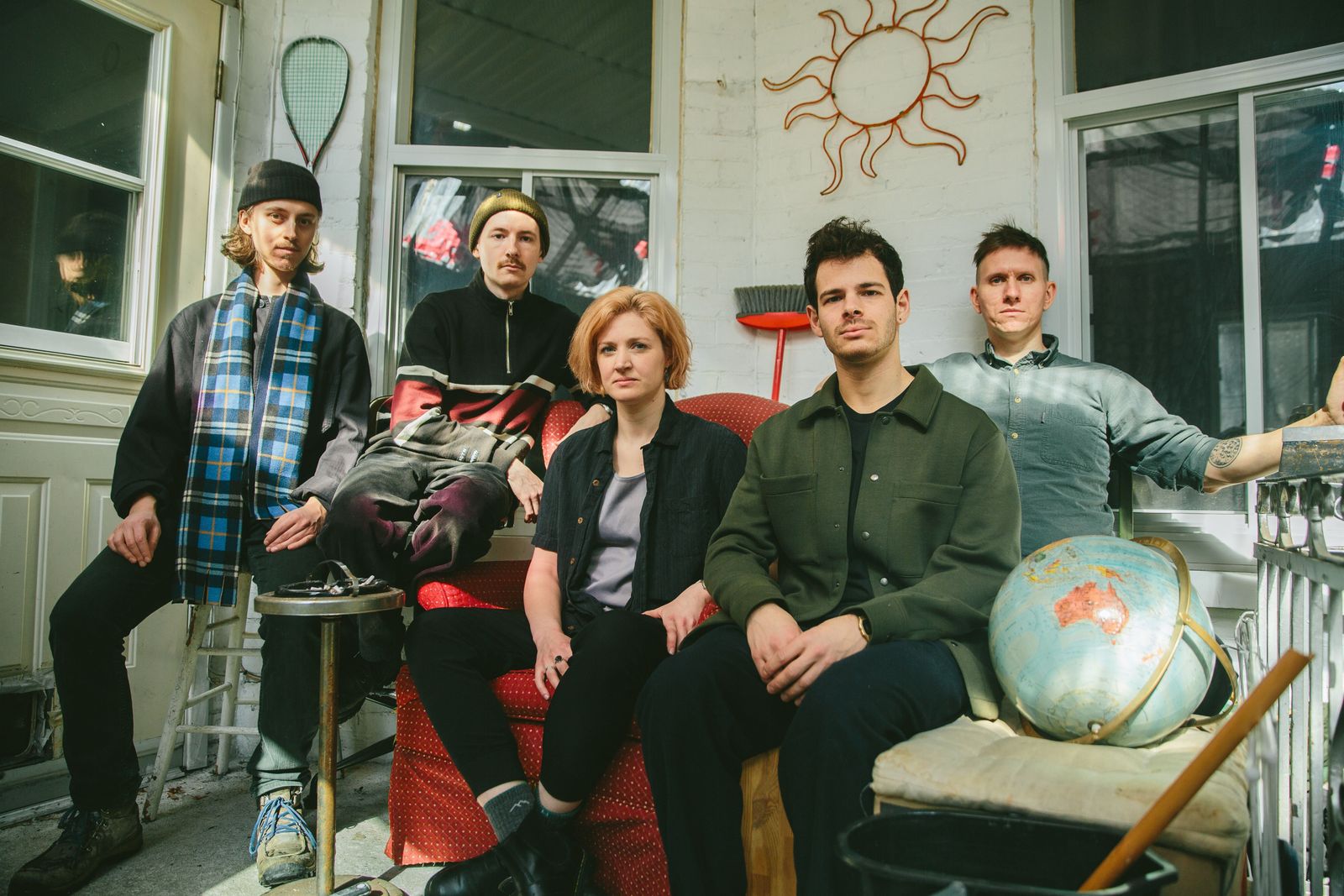
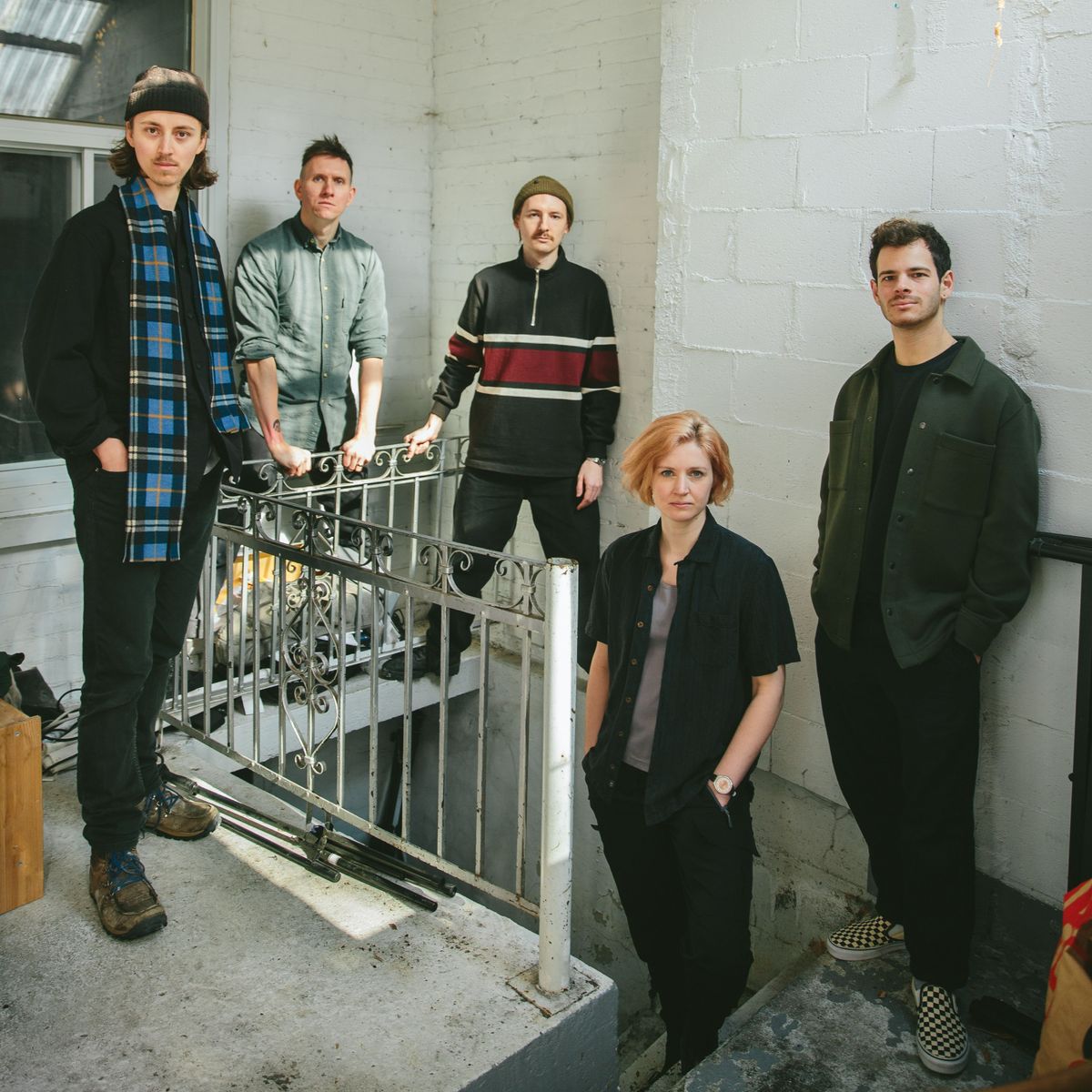
Montreal’s The Plastic Waste Band sound like a group with its hands on the wheel and its mind somewhere stranger. On Trash Island, their third album, that instinct sharpens into something vivid and unsettling: a future where humanity has washed up on a floating island of plastic waste, the last place left to live. It’s a bleak image, sure, but the band don’t treat it like a lecture. They treat it like a stage set, full of flickering lights, strange weather, and the kind of emotional weather that only a great band can make feel physical.
Born from Montreal’s jazz community, The Plastic Waste Band have long moved like a real unit rather than a project assembled for effect. Electric guitars snarl, saxophone lines rise like smoke, acoustic bass keeps the floor from giving way, and the drums hit with the heft of something rolling downhill. There’s a kinship here with the muscle of Led Zeppelin and the open-ended charge of the John Coltrane Quartet, but the band’s identity lives in the friction between those poles. They like structure. They like drift. They like the moment where a composed idea gives way to group instinct and the whole room seems to tilt.
That balance has defined their path from the start. Their debut was tied to environmental conservation, while Crushed and the Revelations EP dug into the uneasy task of making art in the shadow of collapse. Trash Island carries that concern forward, but with a sharper sense of play. The album moves through ecstatic, serene, and quietly absurd scenes of post-apocalyptic life, turning ecological anxiety into something restless and strangely buoyant. The concept could easily buckle under its own weight. Instead, the band keep it moving, letting humour and dread sit side by side like two passengers who don’t quite trust each other.
The second single, Chant de Mars
, captures that method beautifully. It begins as a slow-burning ballad, patient enough to make every small shift feel loaded. A simple saxophone melody stays low at first, then climbs, as if it is searching for daylight through concrete. The rhythm stays slightly off-centre, nudging the listener out of comfort without ever losing its grip. When the song finally opens up, it does so with the force of a dam breaking after a long silence, before eventually floating out to sea. WasToBe
, the first single, offered a different angle, but both songs show a band that understands suspense as a kind of groove.
There’s a deep confidence in that approach. The Plastic Waste Band don’t rush the apocalypse. They let it breathe, flicker, and mutate. That patience gives Trash Island its charge. It feels lived-in, not theoretical; urgent, but never stiff. In a landscape where genre lines often get sanded down into sameness, this band still sounds gloriously specific, still willing to let jazz’s open forms collide with rock’s physical punch. The result is music that can stare down the end of the world and still find a current worth following.
If you would like to submit your music for playlist or feature consideration, please submit here via our partnership with MusoSoup.