> Fields: New Folk – feature updates every Wednesday
listen to the article
Andy Smythe – Quiet Revolution Extra

Andy Smythe Turns Baroque Pop Into A Quiet Act Of Defiance
Andy Smythe has long written like a man listening for the pulse beneath the noise, and Quiet Revolution Extra sharpens that instinct into something vivid and searching. The six-track companion EP folds brass, strings, acoustic rock and blues harp into songs that feel both intimate and widescreen, with Smythe’s four-octave voice moving from brittle confession to full-bodied lift. “Higher Truth” opens like a horizon line; “House Without Love” and “Man of Pisces” linger with the ache of a songwriter who knows solitude can be its own kind of scripture.
What makes Smythe compelling is the way he balances craft and conviction without losing the human grain. There’s a classic songwriter lineage here — Nick Drake’s inward glow, Dylan’s restlessness, Lennon-McCartney’s melodic instinct — but the record never feels borrowed. It leans into existential questions, social friction and spiritual hunger, then answers with melody. In Smythe’s hands, reflection becomes propulsion.
George Adequate – Shipwrecked
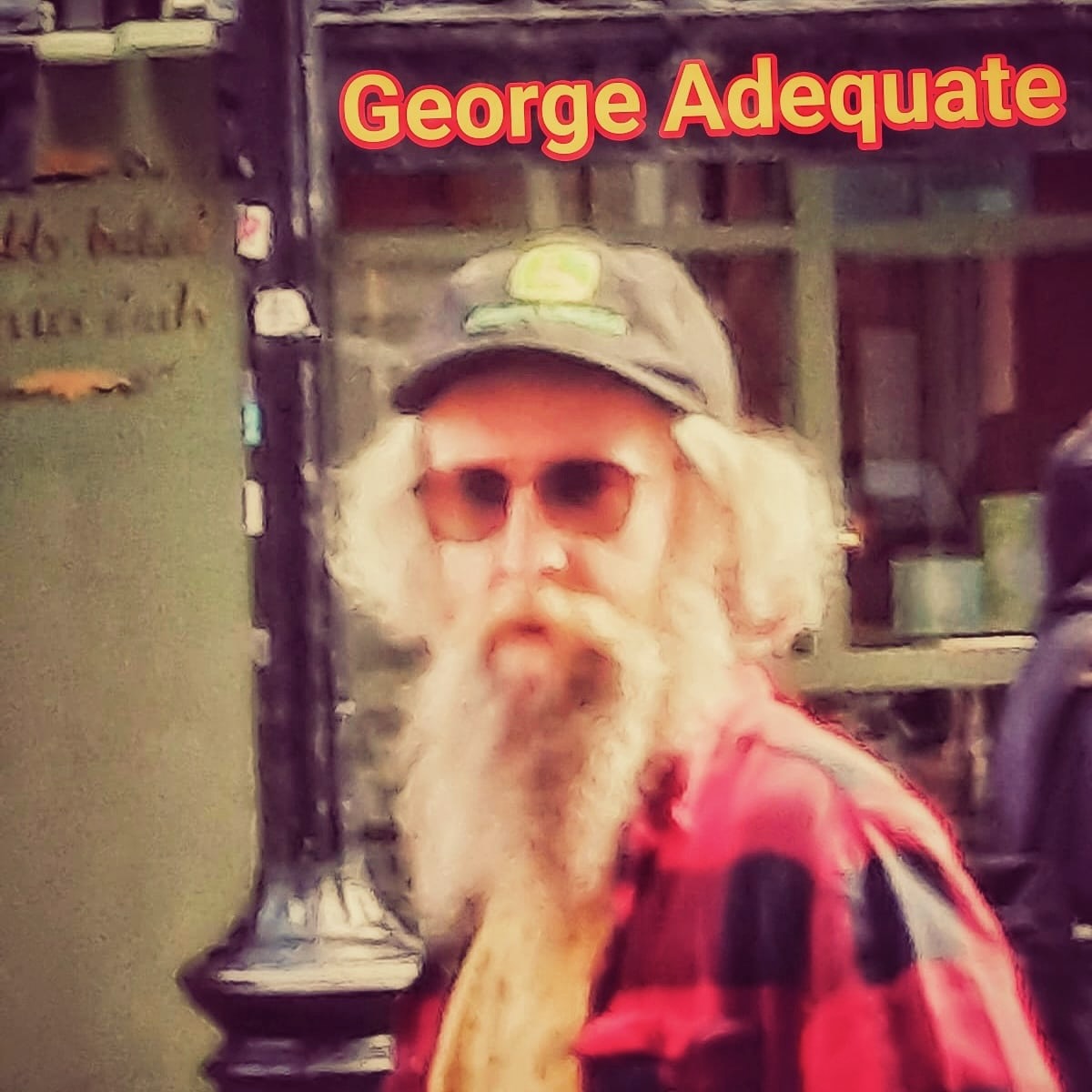
George Adequate Finds Grace In The Wreckage On “Shipwrecked”
George Adequate doesn’t dress the feeling up: he’s a middle-aged musician, “existentially exhausted,” and that weary wit runs through “Shipwrecked” like a steady pulse. Built from years of solo writing, recording, and hard-earned perspective, the track sits inside Reasonable Things with the kind of unforced intimacy that makes home-studio music feel lived-in rather than lo-fi for its own sake. A violin thread lifts the song’s edges, softening the ache without sanding it down.
Adequate’s world is one of tempers calmed, expectations in check, and melodies that lean into the mess instead of escaping it. There’s no grand reinvention here, just a seasoned songwriter reaching for connection with plainspoken honesty and a little bruised grace. In that sense, “Shipwrecked” feels less like a statement than a signal flare — a tune for anyone who’s been through the drift and still wants company on the shore.
Sneeky – Trouble
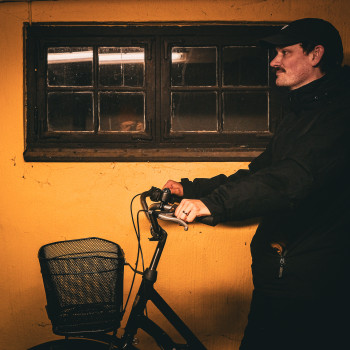
Trouble Explores Growth Through Honest Indie-Folk Songwriting
Sneeky, the introspective artist from Malmö, Sweden, explores personal growth and self-acceptance on “Trouble,” an intimate indie-folk single rooted in honesty. Inspired by the emotional directness of Daniel Johnston and the textured songwriting of Alt-J, the track reflects on the struggle to become a better version of yourself while accepting inevitable mistakes along the way. Recorded at home with a Taylor acoustic guitar at its centre, “Trouble” pairs a memorable guitar hook with understated production and a powerful closing section. The result is a warm, deeply personal song that highlights Sneeky’s gift for thoughtful lyricism and emotionally resonant songwriting.
Esteban Obando – Montreal (Feeling it All)
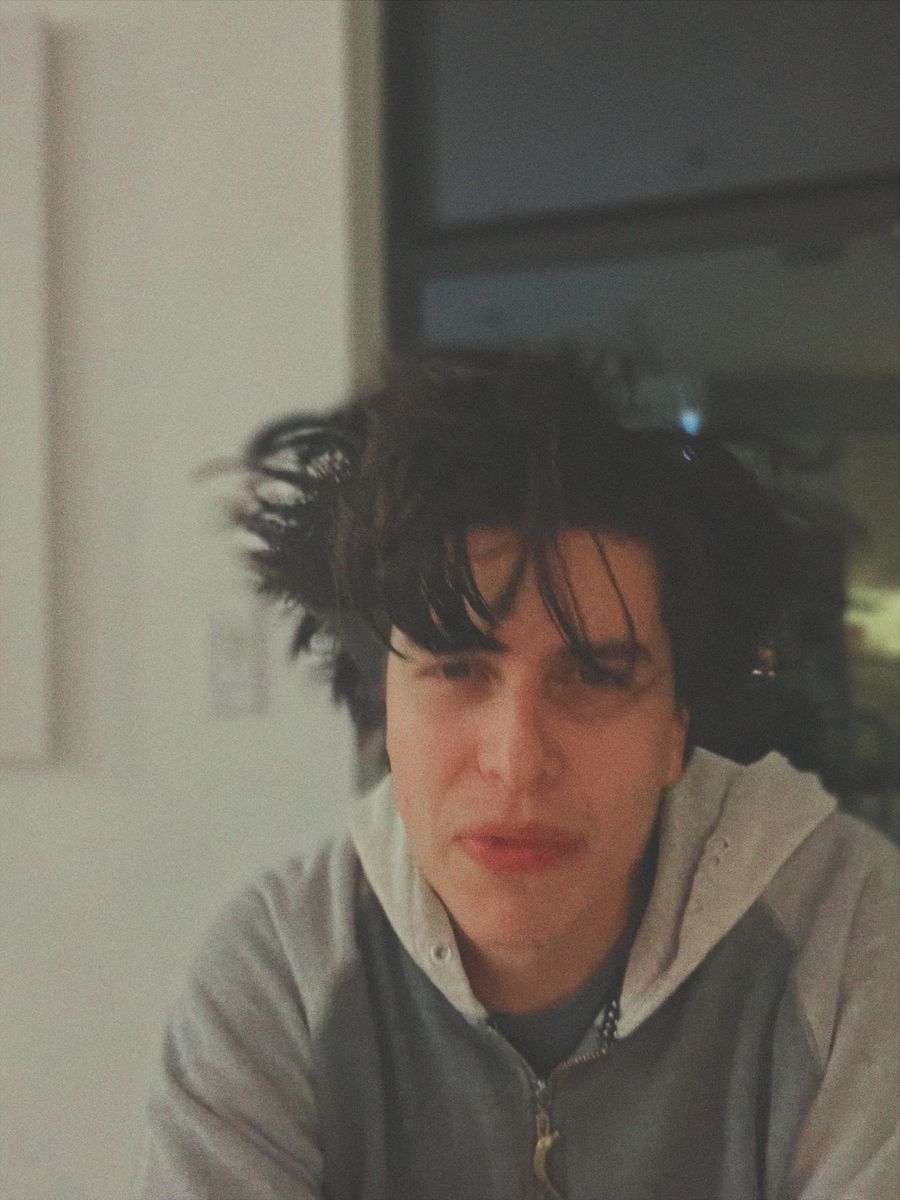
Esteban Obando Weaves Tape Hiss Into Memory On “Montreal (Feeling It All)”
On “Montreal (Feeling it All),” Esteban Obando makes nostalgia feel tactile — all spring reverb, doubled vocals, and the soft blur of tape flutter. The Los Angeles-based songwriter, who grew up in Montreal after leaving Colombia, folds memory into a hushed, Elliott Smith-adjacent glow, but the song never feels borrowed. It’s personal in the way a half-remembered street can be personal: specific, weathered, and alive with feeling.
Recorded in a single afternoon on a 1990s Tascam Portastudio with just a Shure Beta 57, a Fender Telecaster, and a Nord Electro, the track leans into imperfection as a kind of truth. A faint metronome bleeds through, the edges stay rough, and that’s exactly the point. As the first glimpse of Tiny Pieces of Tape vol.1, it sounds like an artist learning how to let go of control and trust the song to carry the weight.
Maria Grazia Altea – Don’t do don’t say

Maria Grazia Altea Distills Distortion Into Dreamlike Clarity
Maria Grazia Altea’s “Don’t do don’t say” sits in that hazy borderland where dream and reality blur, then quietly snap into focus. Built on a sense of dreamlike melancholy, the song reflects how easily we’re led to distort the truth instead of facing it head-on. Altea doesn’t deflect that tension with noise; she lets it breathe, leaning into atmosphere, emotional weight, and the kind of phrasing that feels lived-in rather than performed.
What makes her work resonate is the conviction behind it. “I just love music, I think the most important thing is truly feeling what you sing or play. That’s how it connects with the audience; otherwise, it’s just technical exercise. It’s a strange and unexplainable magic.” That instinct gives “Don’t do don’t say” its pull: intimate, slightly shadowed, and human enough to linger.
If you would like to submit your music for playlist or feature consideration, please submit here via our partnership with MusoSoup.