An Instrumental Album That Trades Spectacle for Emotional Precision
listen to the article
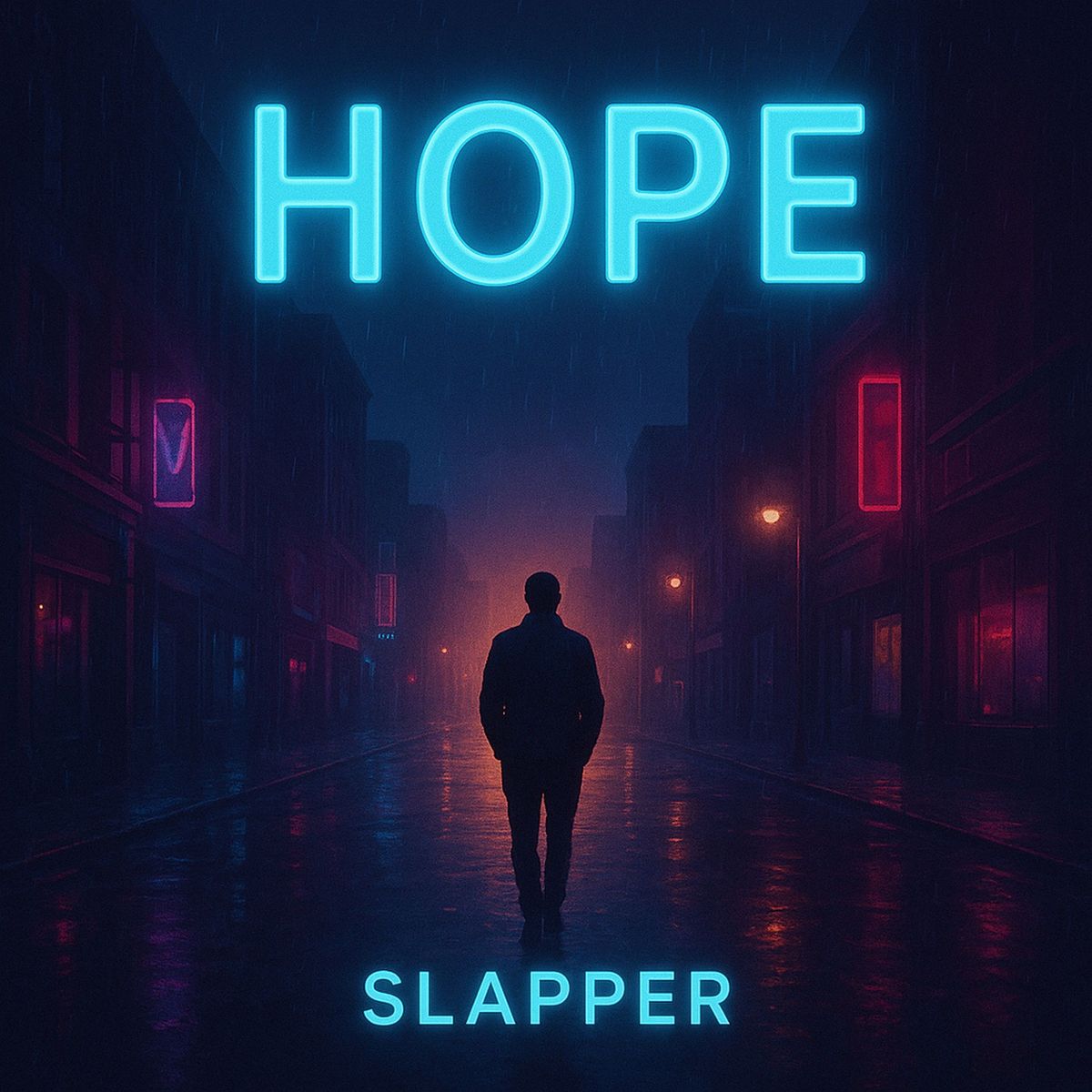
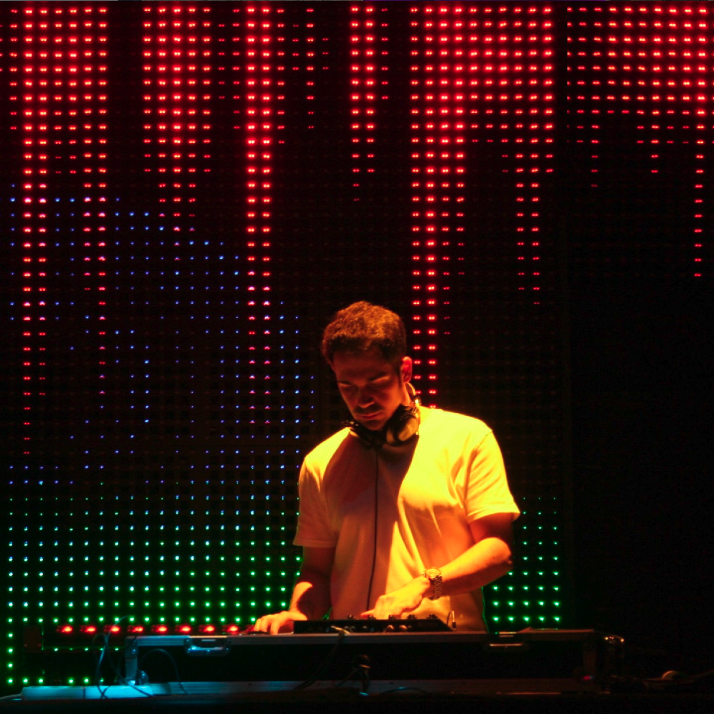
Emerging from Bucharest’s electronic underground, SLAPPER, the long-running project helmed by Claudiu-Gabriel Tache, returns with Hope, an instrumental album shaped by memory, movement, and emotional resolve. Drawing from retro synth traditions while remaining firmly rooted in modern electronica, the record explores fear, intimacy, and recovery through carefully built atmospheres, evolving motifs, and measured melodic tension.
Active since the late ’90s, SLAPPER has developed a sound that balances nostalgia with progression, weaving elements of synthpop, melodic techno, and trance into a cohesive identity. Hope reinforces that foundation, leaning into analog warmth and spacious arrangements that feel intentional rather than ornamental. The album moves with purpose, unfolding as a continuous emotional arc rather than a collection of standalone tracks.
Opening track “Hope (For a New Dream)”
establishes the tone immediately, pairing steady trance propulsion with a sense of cautious optimism. From there, the album moves fluidly between introspection and release. Previously released tracks “Oxygen Kiss
” and “Silhouettes
” sit comfortably within the broader narrative, offering melodic clarity and emotional openness without disrupting the album’s flow.
One of the record’s most affecting moments arrives with “Among Night Creatures
,” a piece rooted in childhood fears and lingering inner conflicts. Layered synth lines and a persistent low-end pulse create an uneasy intimacy, capturing the tension of confronting long-held anxieties without relying on drama or excess.
Elsewhere, “Velvet Harp
” and “Moonlight
” push the album forward with melodic focus and subtle lift, maintaining a dark, nocturnal palette while allowing moments of brightness to surface. These tracks highlight SLAPPER’s ability to balance emotional weight with forward motion, sustaining engagement through texture and pacing rather than overt peaks.
“The Sweet That Hurts
” stands out as a clear marker of artistic growth. Influenced by artists such as Depeche Mode and Chicane, the track favours restraint and precision, using minimalist synth structures and controlled dynamics to explore the space between pleasure and discomfort.
Tache’s background as a fixture in Bucharest’s club scene is evident throughout Hope. His understanding of pacing, tension, and release informs the album’s structure, allowing tracks to function both as inward-looking reflections and as works designed for physical spaces. This sensibility has been present in earlier releases such as Music Box Memories and Mirrors, but here it feels more refined and cohesive.
From the introspective drift of Ignored Spaces
to the expansive close of Exosphere
, Hope maintains continuity and restraint. The production remains patient, giving each element room to resonate without overcrowding the mix.
At its core, Hope is about connection through sound and the quiet work of emotional processing. Rather than offering easy resolution, the album lingers in the in-between, presenting renewal as gradual, imperfect, and ongoing.
If you would like to submit your music for playlist or feature consideration, please submit here via our partnership with MusoSoup.