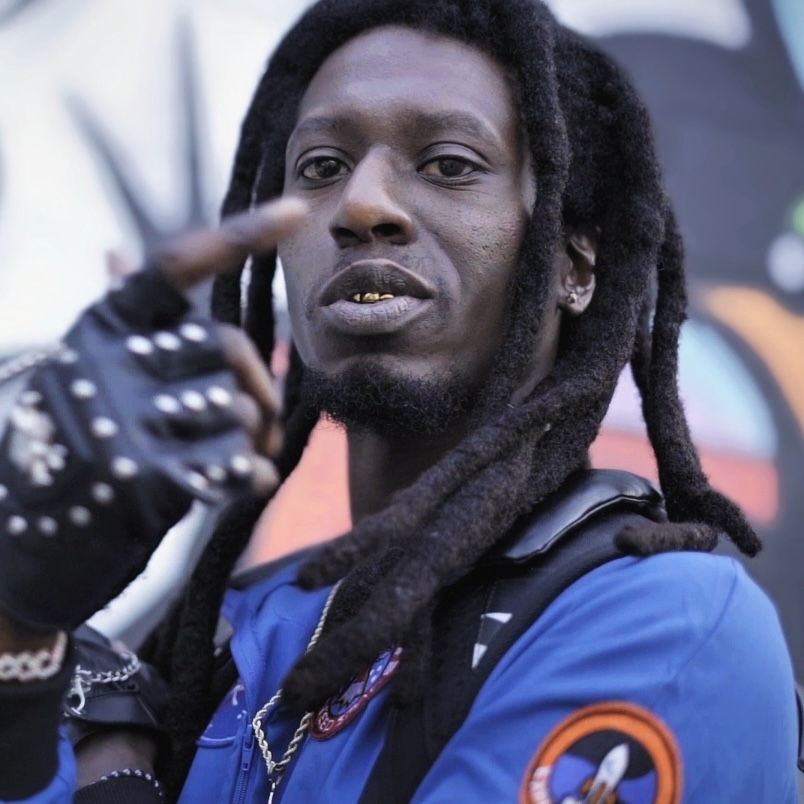

> Part 3 of the Divine Currents: Exploring Sacred Indian Traditions series
Emerging from the ancient roots of Indian civilization, the magnificent art forms of classical music and dance stand as vibrant expressions of spirituality and cultural identity. The traditions of Hindustani and Carnatic music, alongside the captivating movements of Bharatnatyam and Kathak, are more than performances; they are intricate tapestries of spiritual exploration and cultural narrative. These art forms echo the heartbeats of India’s diverse landscapes, offering a window into the soul of a nation.
Classical music in India is akin to a spiritual journey, an exploration of the self through sound. The two principal traditions—Hindustani from the North and Carnatic from the South—reverberate with distinct styles yet unify in their profound spiritual essence. Each raga, or melodic framework, transcends mere notes, unfolding like a narrative, a conversation between the artist and the divine. The ragas are often viewed as the language of the soul, extending beyond technical skill to encompass emotional depth and spiritual reflection.
In parallel, the classical dance forms of Bharatnatyam, with its roots in Tamil Nadu, and Kathak, from Northern India, weave stories through movement, expression, and rhythm. Each gesture and pose in Bharatnatyam, characterized by its fixed upper torso, intricately detailed hand movements, and expressive facial expressions, narrates sacred tales, effectively becoming a prayer in motion. Kathak, known for its intricate footwork and storytelling exuberance, transitions fluidly between devotion and celebration, befitting its courtly and folk origins.
These art forms not only serve as a bridge between the past and present but also as dynamic entities that continue to evolve. Today, artists strive to preserve these traditions while simultaneously infusing them with contemporary interpretations, ensuring that they remain relevant in a fast-changing world. Collaborations across genres and international platforms have further opened avenues for these art forms to resonate globally, reaching new audiences and inspiring cross-cultural dialogues.
However, preserving the authenticity of these art forms amidst globalization requires a delicate balance. The challenge lies in adapting to modern contexts without diminishing their core spiritual and cultural essence. Many contemporary artists have sought to innovate within the frameworks of their traditional training, exploring thematic elements that speak to current societal narratives and resonate with younger generations.
In essence, Indian classical music and dance epitomize a cultural renaissance, marrying tradition with innovation. They stand as reminders of a deep-seated cultural wisdom, continually echoing through the corridors of time, and inviting us to remain connected to the divine and ourselves.
This exploration into Indian classical music and dance thus underscores their timeless relevance and ongoing vibrancy. As the “Divine Currents” series progresses, we are beckoned to delve deeper into how these sacred traditions compose the rich cultural symphony of India, persistently inspiring both the heart and soul.
Recent Posts songplode cultural case studies
- Persian Poetry: The Soul of Iranian Literature
 Persian poetry, a cornerstone of Iran’s cultural tapestry, bridges past and present through themes of mysticism, love, and resistance. It resonates today with contemporary poets exploring identity amid societal challenges.
 - Echoes of Eternity: The Craft of Egyptian Architecture
 Egyptian architecture narrates a rich tapestry of history, intertwining ancient feats like pyramids with evolving Coptic and Islamic styles. Amidst modern challenges, it preserves an eternal dialogue between heritage and progress.
 - The Pulse of the Nile: Agricultural Traditions and Life
 In Egypt, the Nile’s timeless flow sustains both land and spirit, weaving agricultural and cultural practices into its legacy. Facing modern challenges, Egypt balances ancient traditions with innovative advancements.
 - Festivals of Harmony: Celebrating Unity and Diversity
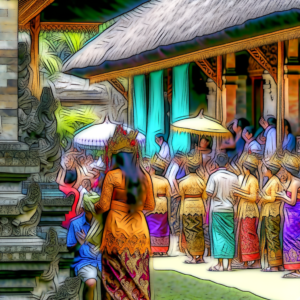 Explore Bali’s vibrant festivals, including Galungan, Nyepi, and Pagerwesi, which celebrate harmony and spiritual renewal. These customs persevere amid globalization, preserving cultural identity and promoting unity.