
Seven Songs About Unlearning, Faith and the Freedom to Change
listen to the article
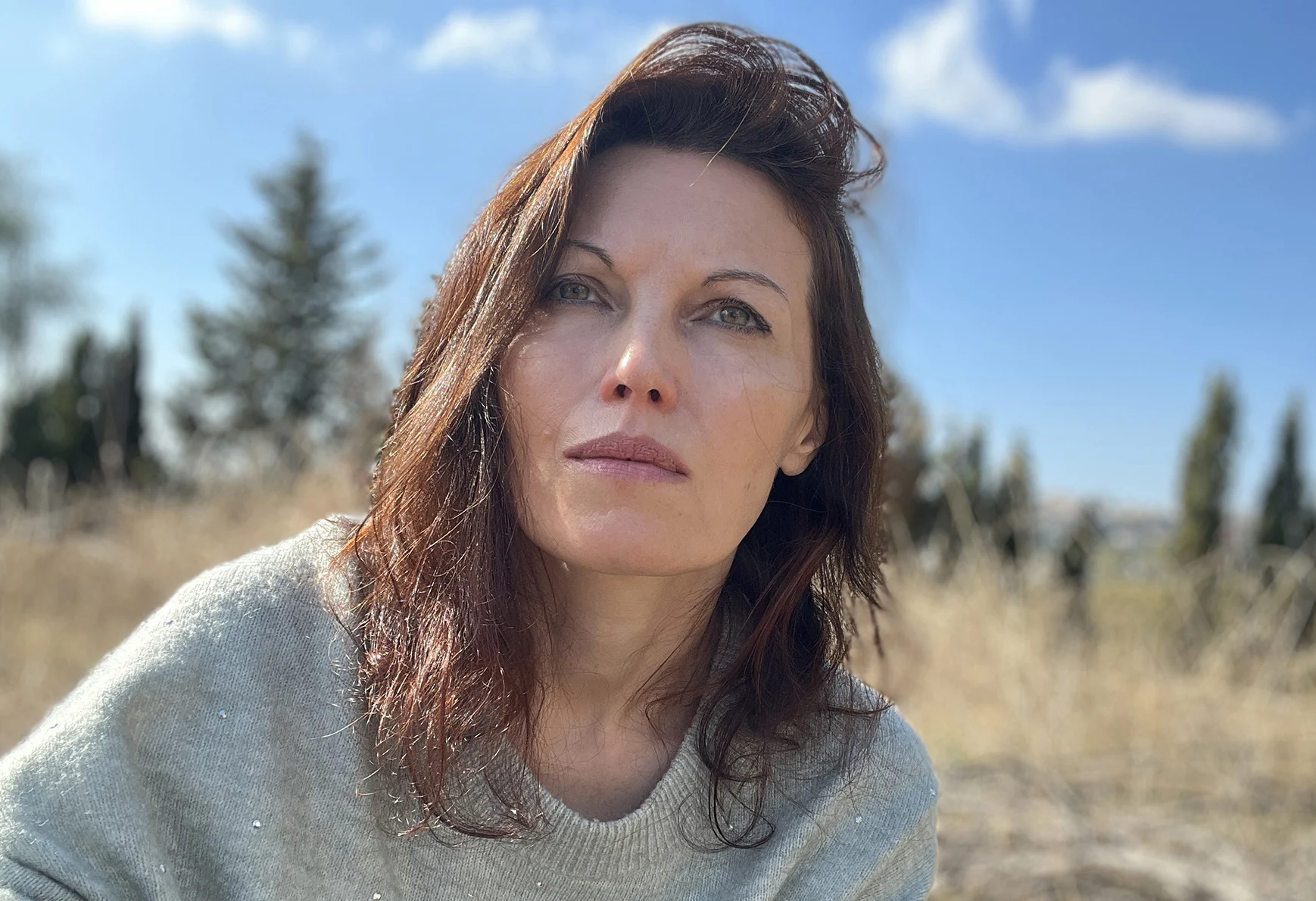
Lana Crow
puts a condition on the promise in her album’s title: before you can rise, you may have to reconsider what you know. Across seven songs, Rise connects self-awareness with the willingness to question inherited beliefs. Its movement towards spiritual freedom begins with a less comfortable prospect: admitting that familiar ways of thinking might be keeping you in place.
The British independent singer-songwriter and composer works across indie-pop, synth-pop and pop-rock. For Rise, that vocabulary brings together pop-rock wit and a cinematic approach to synth-pop, giving a broad musical setting to an unusually specific organising idea. Lana Crow maps stages of human development, moving from troubled youth towards responsible maturity. The album extends the questions of self-awareness and spirituality explored on In Spirit, while giving those questions a seven-song structure of their own.
That structure matters more than a straightforward account of growing older. Crow is clear that these stages are not autobiographical, and that the earlier ones need not happen in a fixed order. There is room in her conception for experiences that overlap, recur or arrive unexpectedly. Maturity becomes a change in understanding rather than a calendar milestone. Her distinction also leaves the songs open to people whose lives follow different patterns from her own.
The running order opens with Japrisot
and Ten Days To Lose A Guy
, before moving through Out Of This World
and Possessed
. Its final three titles—Unknow ‘The Known’
, If You Feel
and Rise
—bring the central idea into focus. Crow treats this closing sequence as fixed: questioning imposed knowledge comes before a fuller awareness of one’s abilities, with spirituality following that shift. Even in their titles, the songs move from an instruction to reconsider towards the possibility of feeling and acting differently.
Faith, in Crow’s account, is closely bound to freedom. “Some see faith as restrictive, but for me, finding God felt like escaping prison,” she says. The image makes her position tangible. Fear, judgment and a sense of powerlessness are the constraints she wants to shed; belief offers a way beyond them. This is a personal understanding of spiritual release, expressed through the language of escape rather than obligation.
Within that framework, Rise holds room for both uncertainty and conviction. Its pop and rock vocabulary sits alongside questions that rarely resolve as neatly as a song title. Crow gives those questions an order without presenting the earlier stages as universal biography. By the time the sequence reaches Rise
, the word carries the work that precedes it: reconsidering what has been learned, recognising the possibility of change, and choosing how to live with that recognition.
If you would like to submit your music for playlist or feature consideration, please submit here via our partnership with MusoSoup.