
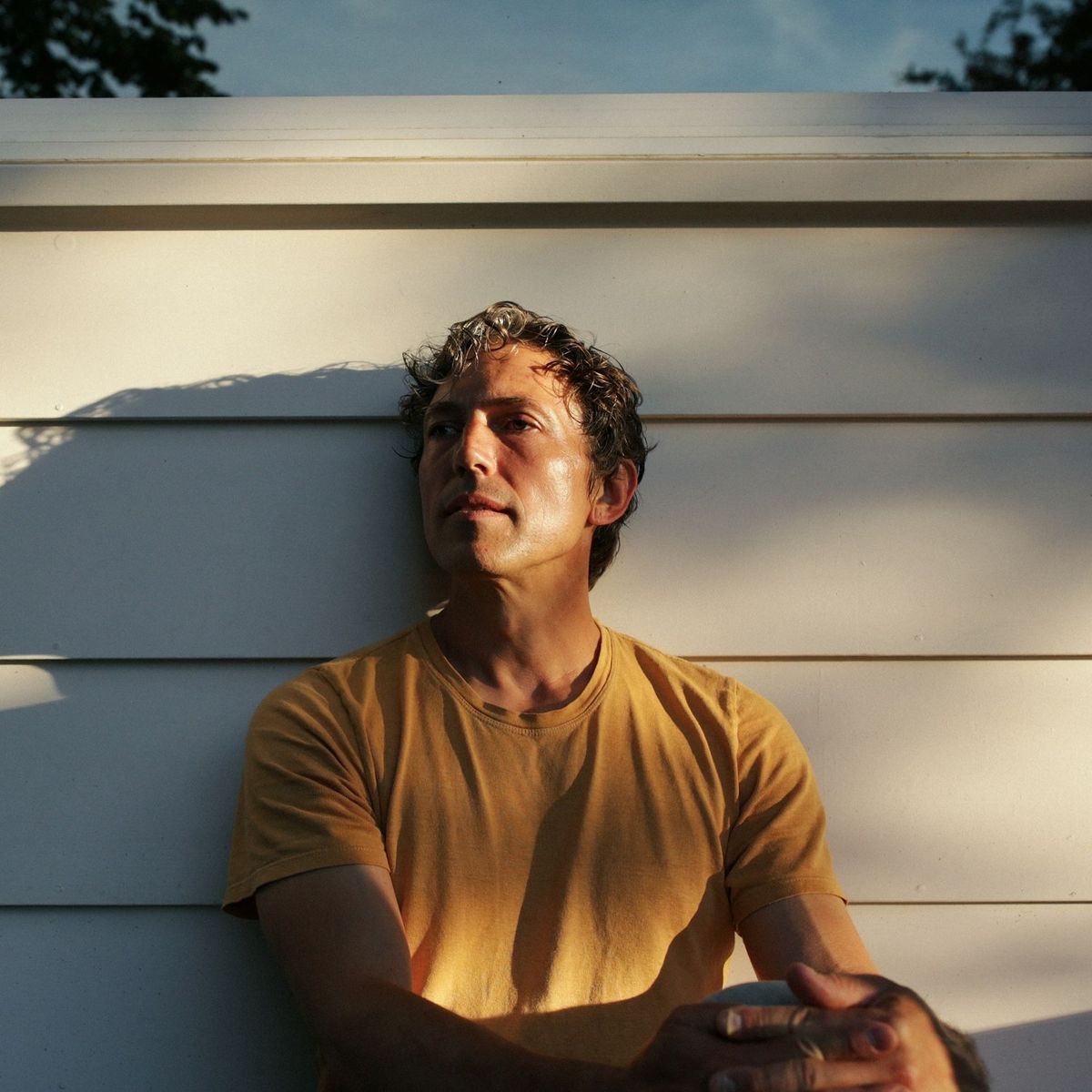
A Portland Songwriter Finds Strange Comfort In The Winter That Shaped Him
listen to the article
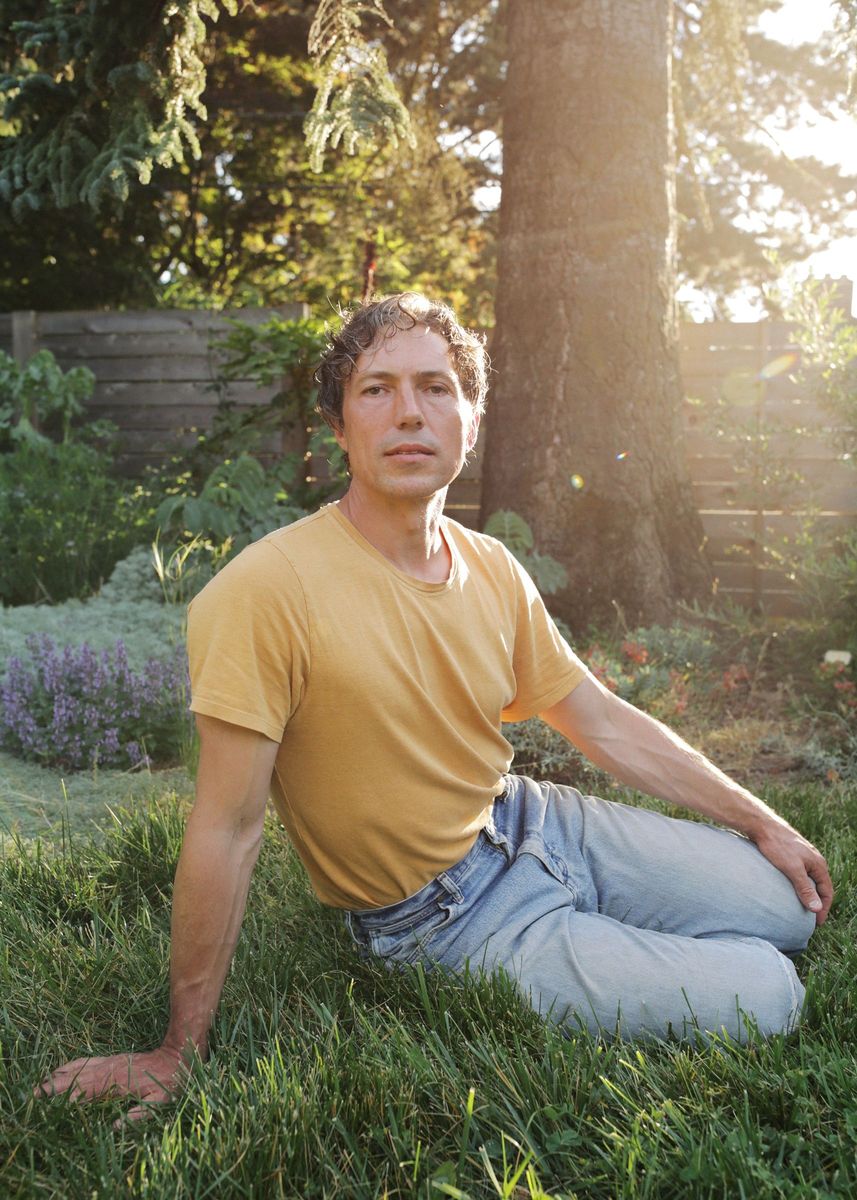
When Flinn began writing the songs that would become ARC, he was eager to get them finished and out into the world. That urgency makes sense. He was on the road, momentum humming, the kind of forward motion that can make the next record feel like a clean line on a map. But life, as it tends to do, bent the route. A new baby arrived. A house turned out to be unsafe and had to be torn apart. His mother entered hospice. Suddenly, the songs were no longer just material waiting for polish. They became a place to stand.
That shift is the quiet force running through ARC. The record carries the shape of a difficult season, but it never wallows in it. Instead, Flinn lets the songs breathe in that suspended space between grief and survival, where the smallest details can feel charged with meaning. A wet concrete slab in an Oregon winter. A studio apartment across town. A house being rebuilt by hand. These are not grand symbols so much as lived-in facts, and Flinn gives them the kind of attention that makes them glow.
Sonically, ARC lives in a liminal zone too. Flinn’s work has always moved with an intimate, genre-blurring instinct, and here that sensibility feels sharpened. There’s a hush and a lift to the writing, a sense that each arrangement is reaching for clarity without ever forcing it. The record nods towards the late Talk Talk, Stereolab, Massive Attack, James Blake, Leonard Cohen, and even the open, searching language of Coltrane, Wayne Shorter, and Bill Evans. But those references never read like a checklist. They feel like coordinates for a mind that likes texture, atmosphere, and emotional precision in equal measure.
What gives ARC its staying power is the way it turns reconstruction into a form of devotion. Flinn kept returning to the songs, reworking them not to close the book, but to remain inside the feeling long enough to understand it. That impulse gives the album its pulse. It’s music made by someone who learned, in the middle of upheaval, that finishing is not always the point. Sometimes the work is simply to stay present with what’s changing.
The prism on the cover says a lot without saying too much. Flinn remembers holding one with his twin sister as a child, watching ordinary rooms fracture into colour, ceilings become floors, shadows lift. That image lands beautifully here. ARC treats memory the same way: as something refracted, unstable, and unexpectedly illuminating. Loss and love tilt the angle of everything. Even identity starts to shift under that light.
By the end of the record, Flinn sounds less like a songwriter racing towards completion than a man learning how to say goodbye with grace. The songs that once felt like a task have become companions, and you can hear that tenderness in the way he lets them go. The house is standing. The doors are open. And ARC arrives with the rare feeling of a record that has lived a full life before it ever reaches the listener.
If you would like to submit your music for playlist or feature consideration, please submit here via our partnership with MusoSoup.