The North Florida Band Turns Americana, Shoegaze, And Ecological Grief Into Quiet Resolve
listen to the article
Once Great Estate’s Lullabies for Lesser Wits sounds like a record made with the windows open. Recorded live in the North Florida woods at The Shire Studio, the band’s third full-length album lets the natural world seep into its edges: not as decoration, but as witness. Across the record, Americana, shoegaze, Southern grit, and dreamlike atmosphere gather around a central concern: what happens when the places that shape us are treated as disposable?
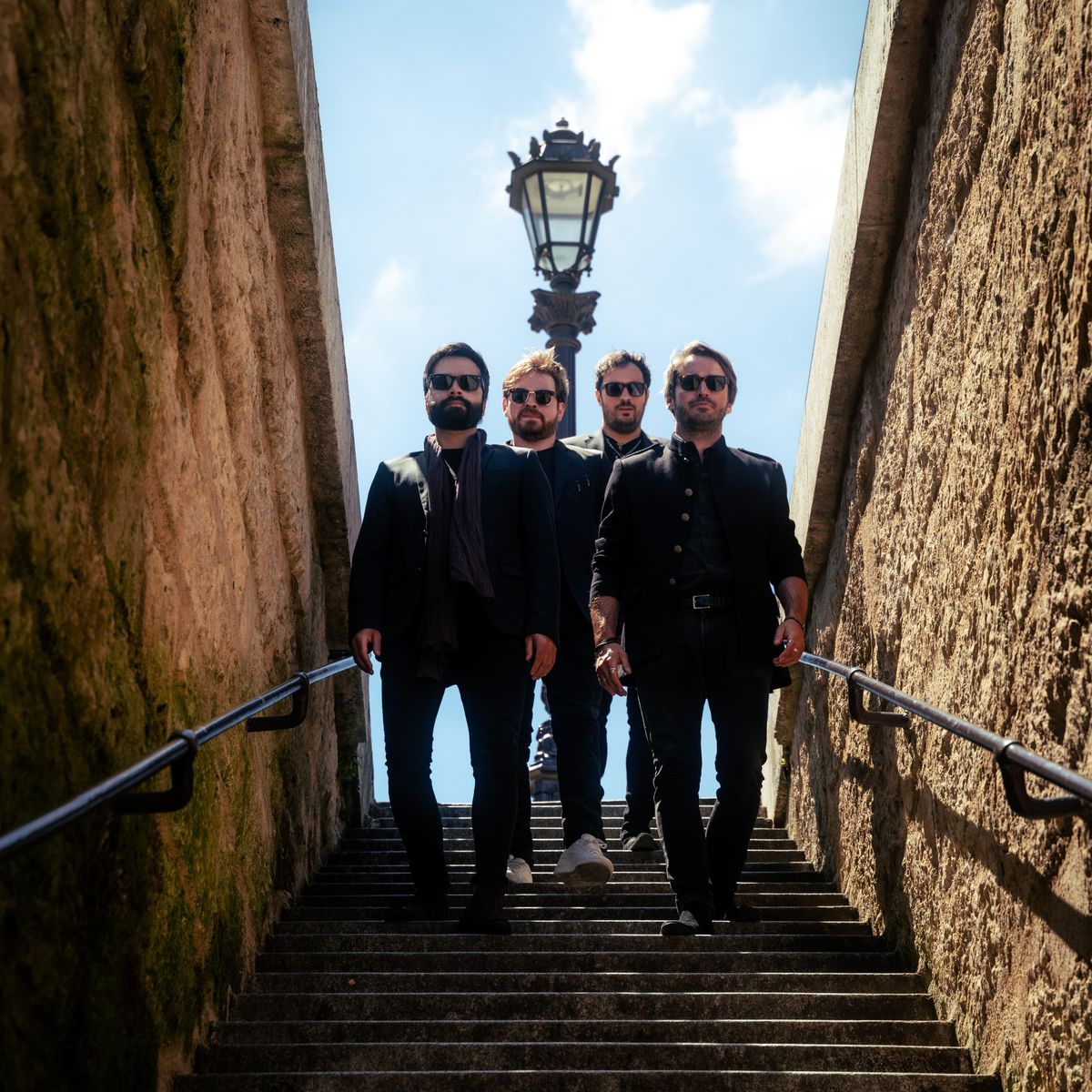
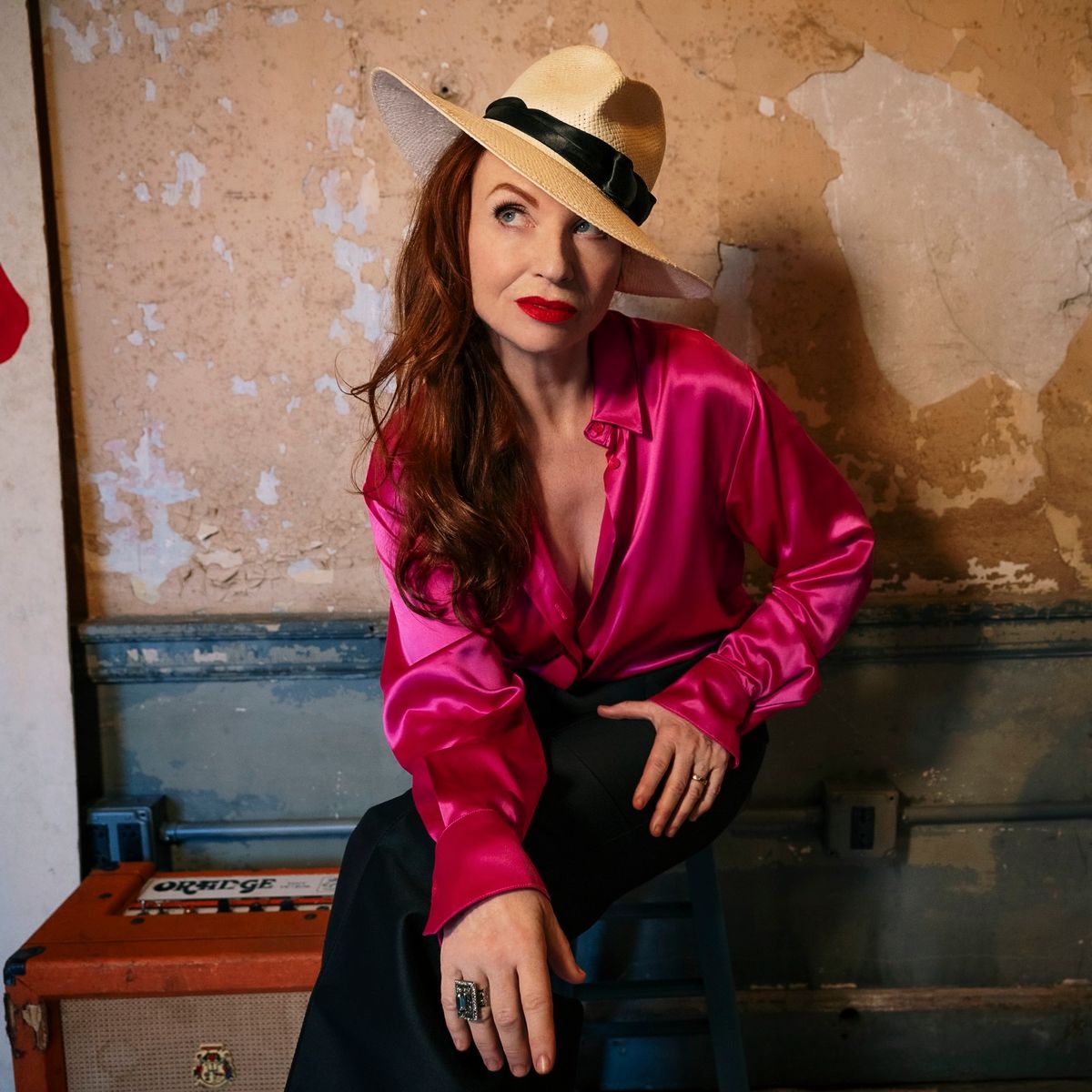
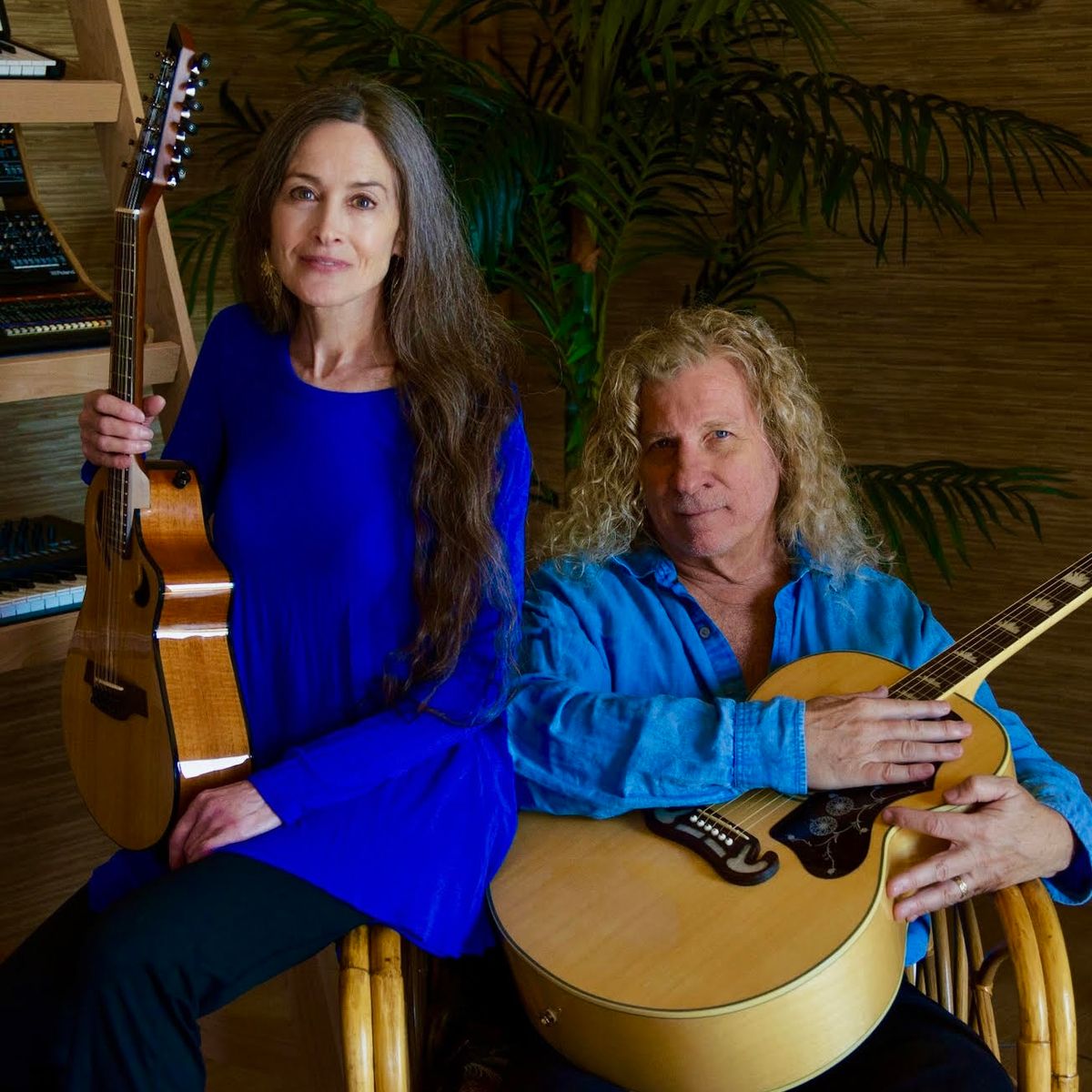
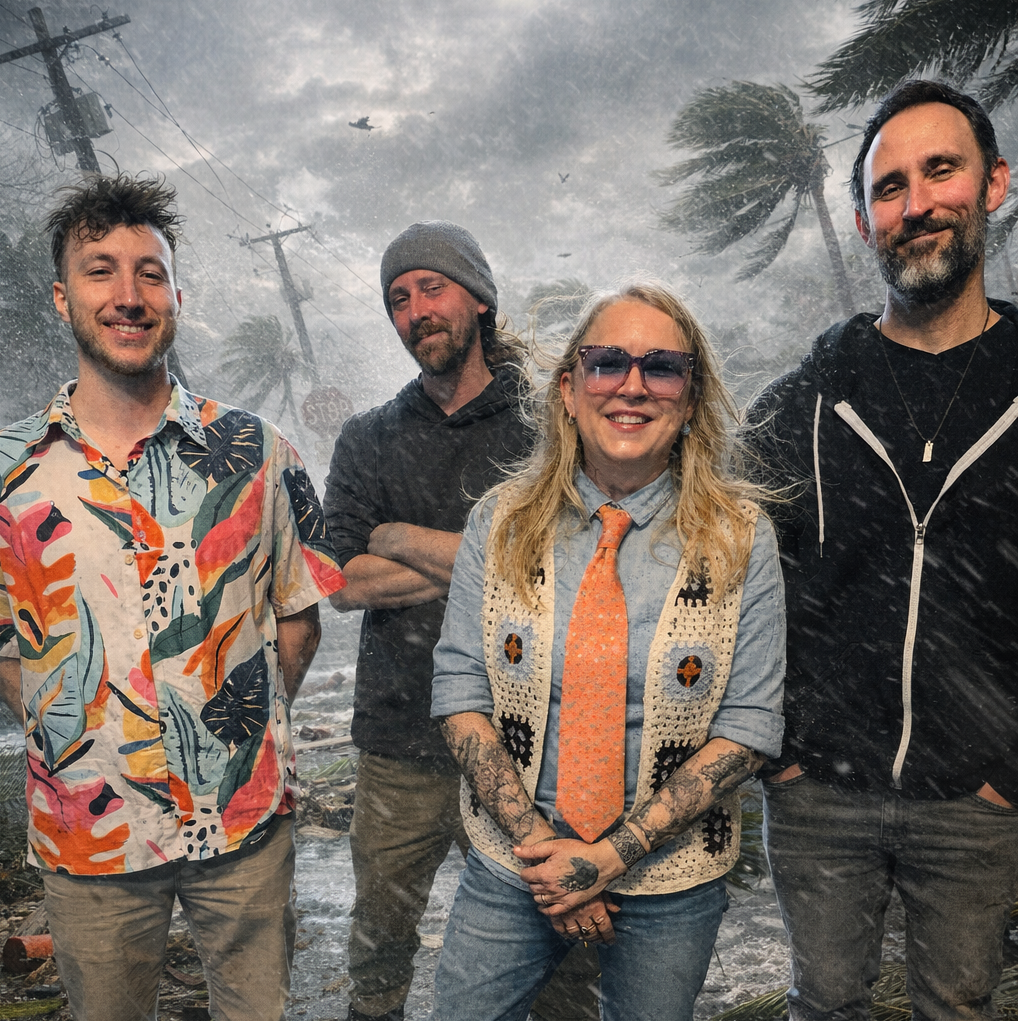
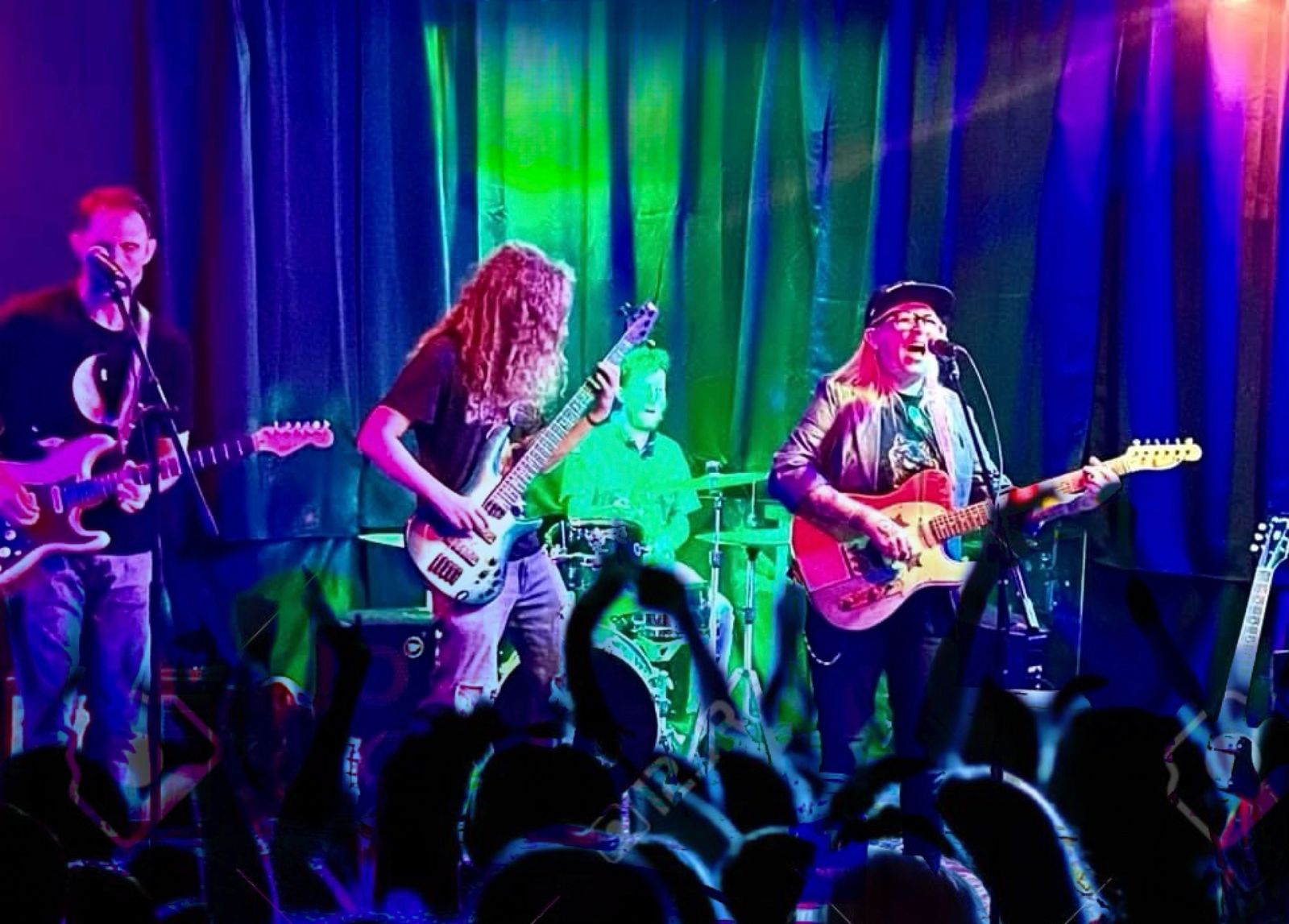
Once Great Estate moves with a quiet force. Alongside Luke Rodgers on lead guitar, Lewis Berger on bass, and drummers Eli Jonas and Keith Klawinski, Horenbein leads a band fluent in contrast. Their music can feel earthy and weightless in the same breath, rooted in the soil while reaching toward something more spectral.
That duality appears immediately on opener Ljos
, whose title means “light” in Icelandic. Inspired by Northern artists like Múm and Sigur Rós, the track casts a pale glow over the album’s entrance, opening a door into music that is as much about atmosphere as argument. It is a fitting beginning for a record concerned with fragility, perception, and the difficult work of paying attention.
Environmental grief sits at the heart of Lullabies for Lesser Wits. Songs like The Hunter
and Wolves
confront wildlife protection and the over-development reshaping Florida’s ecosystems, turning the band’s concern for the natural world into something urgent but not didactic. Horenbein writes from the understanding that destruction often arrives under the banner of progress, and these songs push back with a steadier kind of conviction. They ask listeners to look at what is being paved over, displaced, and silenced.
The album also makes room for a more interior form of survival. Don’t Have to Follow
strips the arrangement back, creating a spare and intimate space for reflection. Horenbein describes the song as being about “carving your own path,” and its quietness becomes part of its strength. It resists conformity without grandstanding, offering self-trust as a form of resistance in a culture too often shaped by pressure, noise, and groupthink.
Producer Chan Leonard helped preserve the record’s live, imperfect character, allowing the band to resist the over-sanded precision of contemporary production. The choice feels philosophical as much as sonic. Lullabies for Lesser Wits values the human mark: the breath in the room, the slight roughness at the edge, the feeling of musicians responding to one another in real time. In an increasingly automated world, that imperfection becomes part of the record’s moral texture.
Once Great Estate’s sense of purpose extends beyond the studio. Known for selective live appearances, the band continues to align its performances with causes that reflect the album’s values, including benefit work connected to wildlife protection. Their music does not separate art from the world around it. It treats the two as inseparable.
With Lullabies for Lesser Wits, Once Great Estate offers a record of quiet resilience and ecological conscience. It does not shout over the chaos. It listens through it. The album invites the listener to step closer to the earth, to the self, and to the fragile systems that hold us, finding beauty not in escape, but in attention.
If you would like to submit your music for playlist or feature consideration, please submit here via our partnership with MusoSoup.