

George McCormack’s Self-Titled Debut Takes Shape With Don Cento in Austin
listen to the article
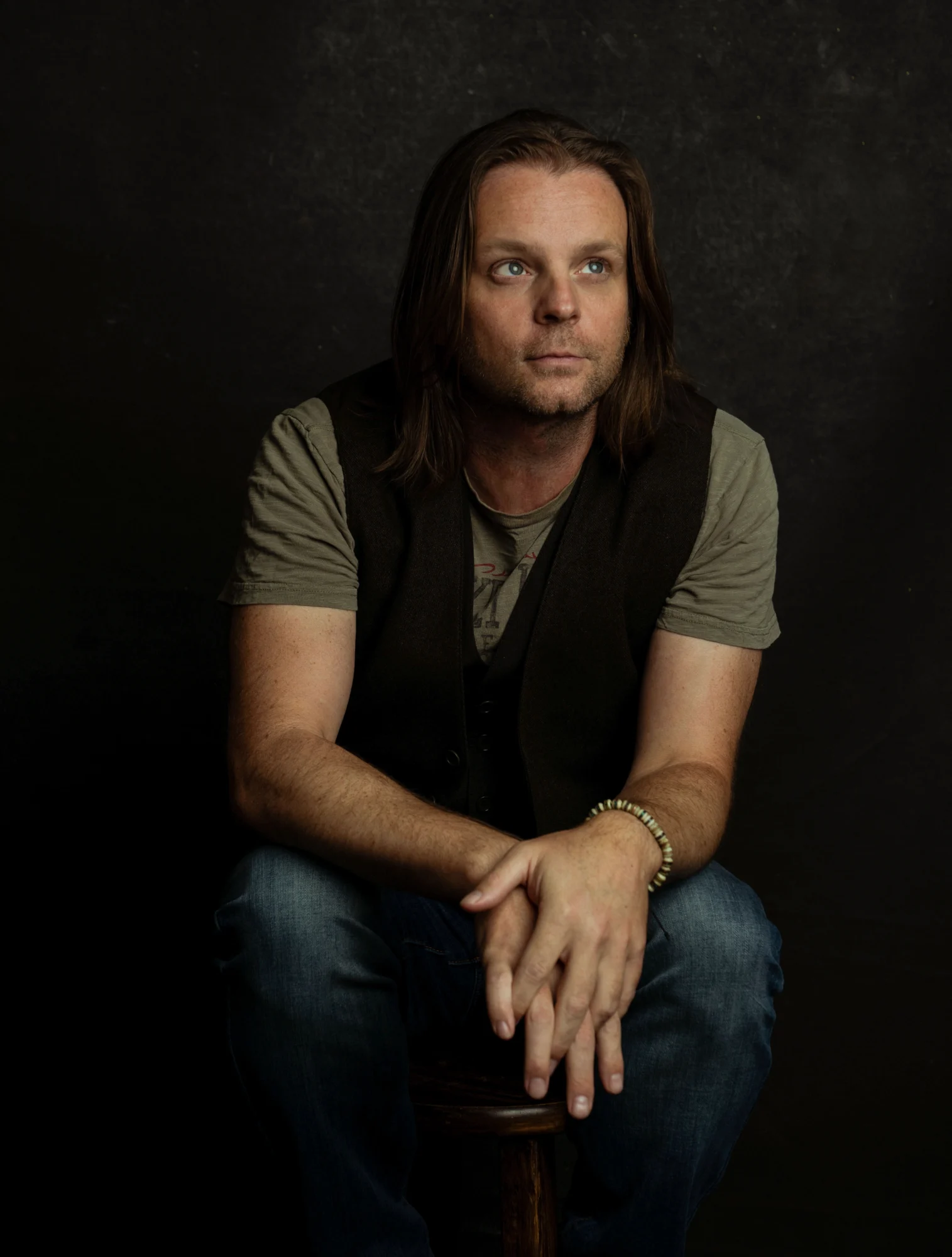
George McCormack originally thought he might make an album in a week. He pictured a California studio and a group of session players, with the songs ready to go. The record he made as Son of Cormack grew out of a slower process in Austin. Working with producer Don Cento, McCormack learned to build better demos, got used to working with a click track and found out how much a song could change after he brought it into the room. Three recordings grew into a ten-track debut.
Some of those songs had already been with him for years. McCormack grew up in English pubs to the sound of jukeboxes and remembers an older man playing harmonica in the front bar. Later, grunge, trip-hop, Radiohead and Tom Waits became touchstones. “She Walks on Fire”
and “She Rages Against Me”
came out of his London years, when writing gave him somewhere to put feelings that were difficult to make sense of at the time. By the time he moved to Austin, live music had become a regular part of his life again. The songs had followed him there.
Cento brought in bassist Phil Spencer and drummer Roberto Sánchez. The sessions make room for the quieter end of McCormack’s writing, with acoustic and piano arrangements, as well as the electric force of blues and alternative rock. The songs also differ in how directly they speak. “Panic Attack”
circles the urge to help someone you love when all you can do is stay beside them. “Mother’s Son”
came out in a stream of consciousness, and its questions about identity remain open even for McCormack. There is room in this collection for a song to surprise the person who wrote it.
“Accelerate to a Standstill”
brings urgency to a different kind of frustration. McCormack describes it as a song about the impulse to avoid a difficult situation. He gives climate change as its clearest example. The fast pace gives the title its bite. You can pick up speed and still find yourself in the same place, an idea that takes the song beyond a single situation without losing its subject.
McCormack wanted to give these songs a form that could last. Working towards a physical record meant deciding when to keep an arrangement he had imagined and when to hear what the players could do with it. The album holds both parts of that process. Some songs had years to develop in private. Finishing them gave him a chance to hear where they could go in company.
If you would like to submit your music for playlist or feature consideration, please submit here via our partnership with MusoSoup.