
The union wants a share of AI licensing income as Reuters reports that those deals are helping drive revenue growth.
listen to the article
Unionized Reuters journalists voted on November 16 to authorize a strike, escalating negotiations over pay and control of artificial intelligence in their work. The NewsGuild of New York, which represents nearly 300 Reuters workers, announced the result the following day. TheWrap reported the vote and the dispute; the authorization is not itself a walkout.
The union’s strike announcement puts a concrete demand behind the familiar debate about AI replacing creative labour: journalists want a share of licensing income generated from their work. The Guild says management has rejected its proposals for revenue sharing, adequate human oversight of AI-generated content and compensation for workers whose jobs AI could eliminate.
That income is not merely a future possibility. In its November 3 third-quarter results, parent company Thomson Reuters reported that Reuters revenue rose 13 percent when exchange-rate movements were excluded. It identified higher generative-AI content licensing revenue as a principal driver, alongside other agency and professional revenue and a contractual price increase in its news agreement with London Stock Exchange Group.
The company described those AI licensing revenues as largely transaction-based. Its results establish that licensing is contributing to growth; they do not establish what journalists should receive from it. Read alongside the union’s demands, the filing shows why this negotiation concerns both possible job losses and the distribution of money already being earned.
Ordinary pay remains unresolved too. TheWrap reported that workers have been under an expired contract since December 2025. The Guild argues that proposed increases would not keep pace with inflation and objects to a merit-pay system it says gives managers excessive discretion. Those are the union’s assessments of the offer, not independently established findings about its value.
Reuters representatives did not immediately respond to TheWrap’s request for comment. That leaves the company’s explanation of the contested bargaining proposals absent from that report. Its financial results provide useful business context, but they are not a response to workers’ objections about pay, AI safeguards or sharing licensing proceeds.
According to the Guild, nearly 96 percent of members participated and 94 percent of those voting backed authorization. Its announcement did not set a walkout date. The immediate change is a stronger strike mandate after more than a year of bargaining—not an agreed raise, an AI revenue-sharing arrangement or a new contract.
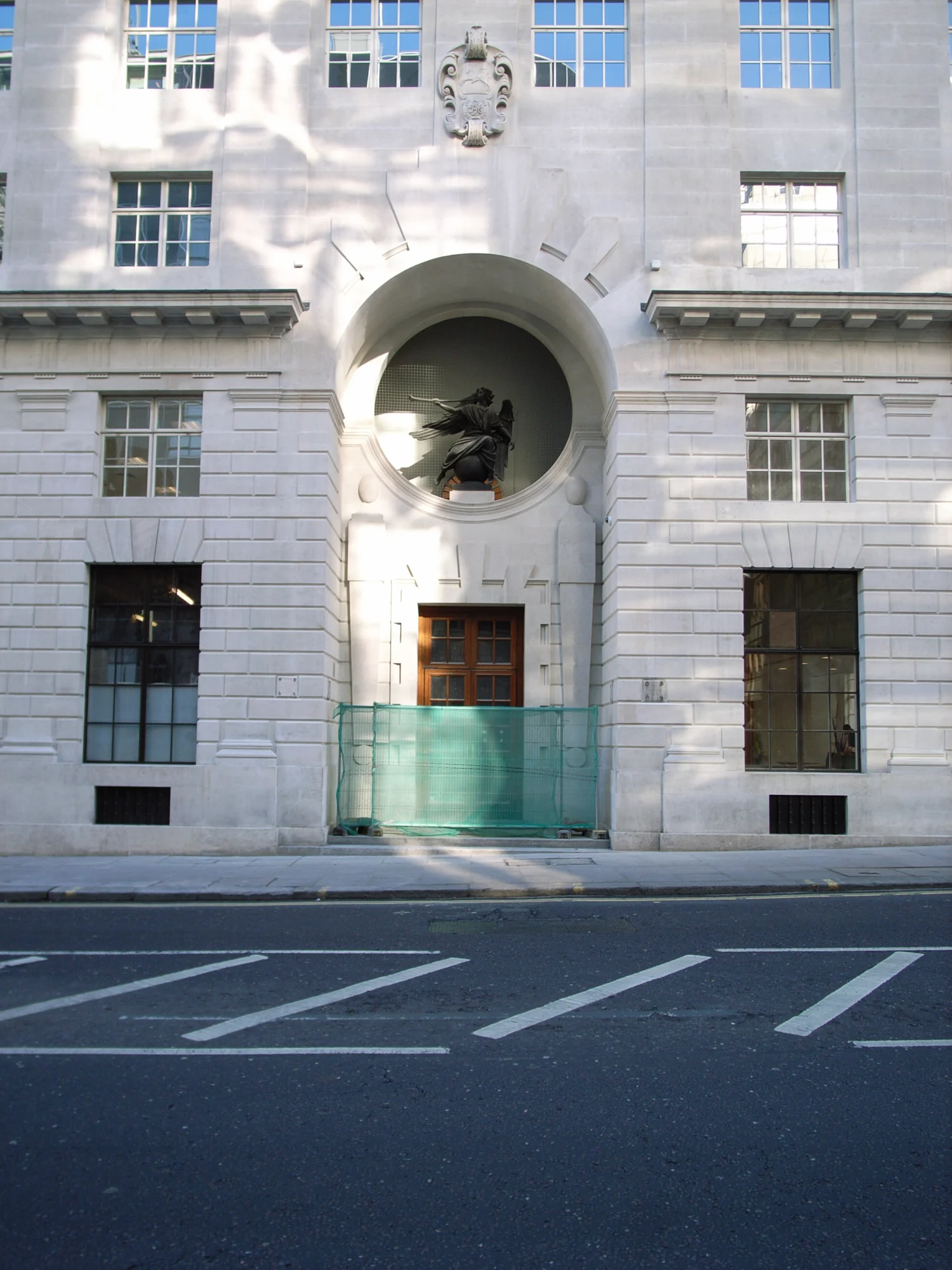
Headline photo: Reuters Building, Fleet Street-378844324 · Steve Cadman · CC BY-SA 2.0
If you would like to submit your music for playlist or feature consideration, please submit here via our partnership with MusoSoup.