Noud van Harskamp’s spare arrangement finds suspense in the distance between the piano’s two hands
listen to the article
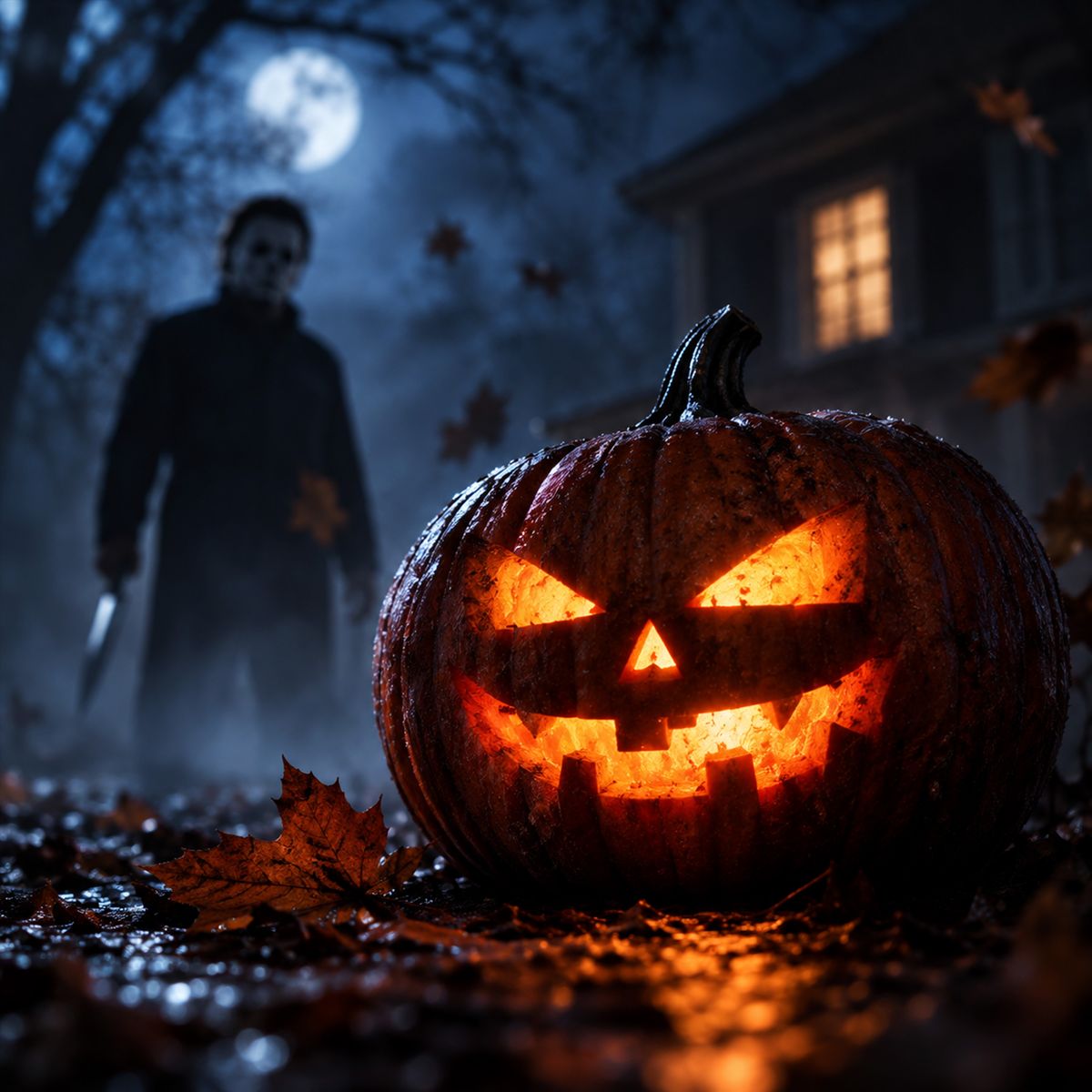
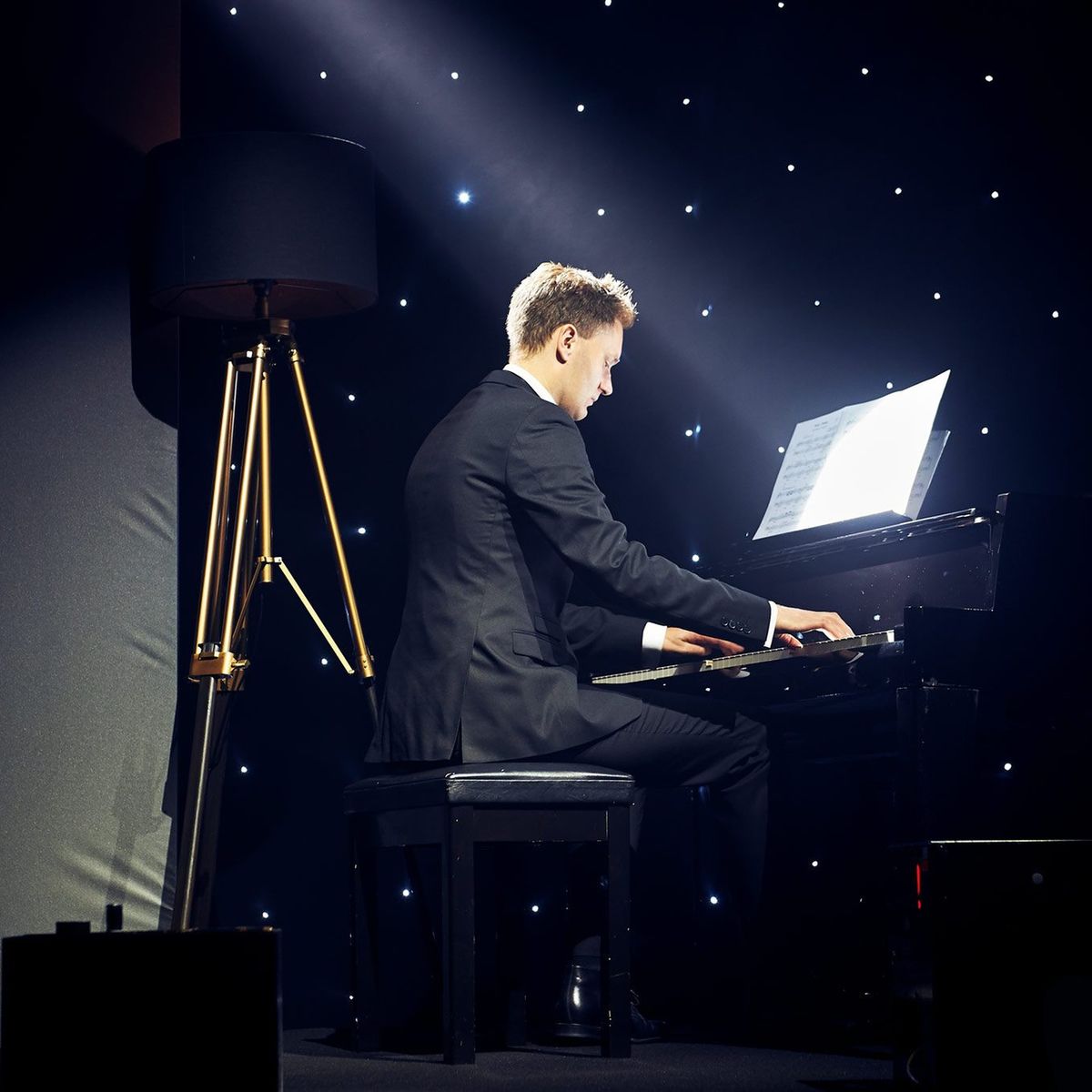
John Carpenter’s Halloween theme gives Dutch pianist and arranger Noud van Harskamp a familiar terror to work with. Recording as Juggernoud1, he brings the cue to solo piano on
Michael Myers Halloween Theme Song (Piano Version)
, keeping its insistent pulse and letting the instrument’s lower register deepen the unease. Without a dense arrangement around it, the repeated figure becomes difficult to escape. Each return makes the room seem a little smaller.
The two hands suggest different sides of a pursuit. The left moves with a steady, relentless tread, like footsteps advancing through a house. Above it, the right hand’s urgent motif seems to be looking for a way out. That separation gives the performance much of its tension: one part keeps coming while the other strains against it. The image is supported by the playing’s physical contrasts, from the weight of the bass notes to the nervous movement higher up the keyboard.
The piano also makes the attacks and the spaces around them particularly exposed. A sharply struck note hangs in the resonance before the next one interrupts it, so the suspense continues between phrases. Dark harmonies and low notes supply weight without filling every gap. Van Harskamp allows that resonance to do some of the work, resisting the temptation to thicken an arrangement whose unease depends on how clearly its moving parts can be heard.
His work as Juggernoud1 includes interpretations of film scores and video game music, where atmosphere is often as recognisable as melody. This arrangement preserves both. Carpenter’s cue remains unmistakable, while the piano changes the listener’s proximity to it. The repeated pattern feels close and exposed; the heavier notes have a physical presence that makes the lighter phrases above them seem more precarious.
There’s a particular kind of nostalgia in hearing such a recognisable horror theme on a single instrument. It brings back the anticipation built into the original: the stretch of time before anything happens, when a repeated sound can make an otherwise empty scene feel occupied. Van Harskamp stays with that tension. The performance has little need for a dramatic flourish when the pulse itself already suggests something approaching.
The distinction between the two hands remains the arrangement’s most unsettling feature. The higher motif can move urgently, but the low tread keeps its pace. Juggernoud1 lets the theme’s familiar repetitions accumulate, trusting Carpenter’s writing and the piano’s resonance to sustain the threat. The fear comes from how long that simple musical relationship can hold you in place.
If you would like to submit your music for playlist or feature consideration, please submit here via our partnership with MusoSoup.