
A Foreboding Folk-Rock Dispatch From Lancaster With A Bell At Its Centre
listen to the article

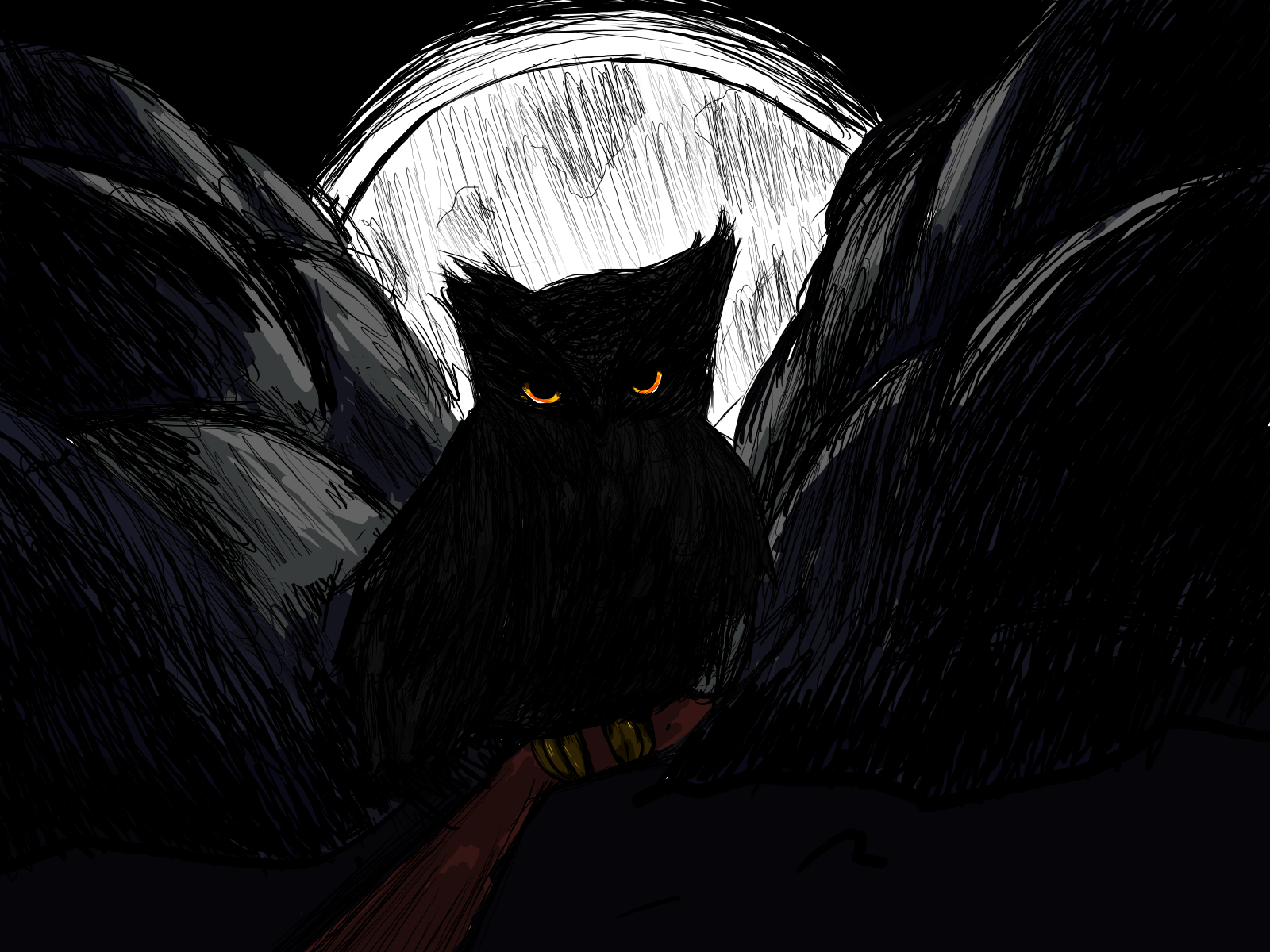
A school bell rings at the opening of Matt Tarka’s “Letter to the Editor”, its clang carrying a sense of foreboding. Discovered by chance during recording, the bell happens to sound in the same key as the song, lending the introduction the atmosphere of an institution calling everyone to order. What follows is a confrontation with another institution: the American press, and the relationship between its public principles and private decisions.
The Lancaster, Pennsylvania singer-songwriter has spent more than a decade examining the contradictions of contemporary life through observant folk-rock. Since 2011, his self-released EPs and singles have explored social anxiety, institutional distrust, and the consequences of inaction. Pandemic-era songs including Good Morning, Sympathy
and Crowds
established his interest in the tensions beneath ordinary experience. Letter to the Editor
brings that perspective into the political arena, where disappointment carries a confrontational edge.
Recorded at Mixtape Studios in Alexandria, Virginia, with collaborator Jarrett Nicolay, the track places Tarka’s lyricism inside a taut, guitar-driven arrangement. The opening bell introduces an institutional severity, while the instrumentation provides a restless counterpoint to his measured delivery. There is little interest in elaborate production gestures. The arrangement gives the words room to accumulate, allowing the song’s frustration to emerge through phrasing, rhythm, and the weight of its argument.
At its centre is The Washington Post’s decision not to endorse a candidate in the 2024 U.S. presidential election. For Tarka, that choice represented a contradiction of the newspaper’s declaration, Democracy Dies in Darkness.
Rather than treating the decision as an isolated controversy, he frames it within a concern about institutional responsibility and the consequences of withholding a public position. His frustration is explicit, though the writing reaches beyond political language. References to Edward Bulwer-Lytton and Euripides introduce a literary dimension, connecting contemporary disillusionment with older questions about power, conviction, and responsibility.
Nicolay reportedly heard echoes of R.E.M.’s Life’s Rich Pageant in the recording, a comparison that speaks to the song’s combination of jangling folk-rock urgency and civic unease. Tarka draws from a tradition of socially conscious alternative music, where political commentary emerges through character, atmosphere, and focused observation rather than slogans. His vocal remains grounded and conversational, giving the accusations the character of a personal appeal rather than a declaration.
There is something revealing about the song’s title. A letter to the editor is an act of participation: a citizen addressing an institution in the belief that public dialogue still matters. Even as Tarka questions the judgment of those entrusted with informing that dialogue, the act of writing suggests he has not abandoned his faith in its necessity.
That tension between disillusionment and continued engagement gives “Letter to the Editor” its emotional centre. Tarka is angry because he believes the institutions he challenges have responsibilities worth defending. The song leaves that contradiction unresolved, its opening bell a reminder that accountability begins with the willingness to answer when called.
If you would like to submit your music for playlist or feature consideration, please submit here via our partnership with MusoSoup.