
A Psychedelic Fusionist With A Horn-Driven Groove And A Taste For The Impossible
listen to the article

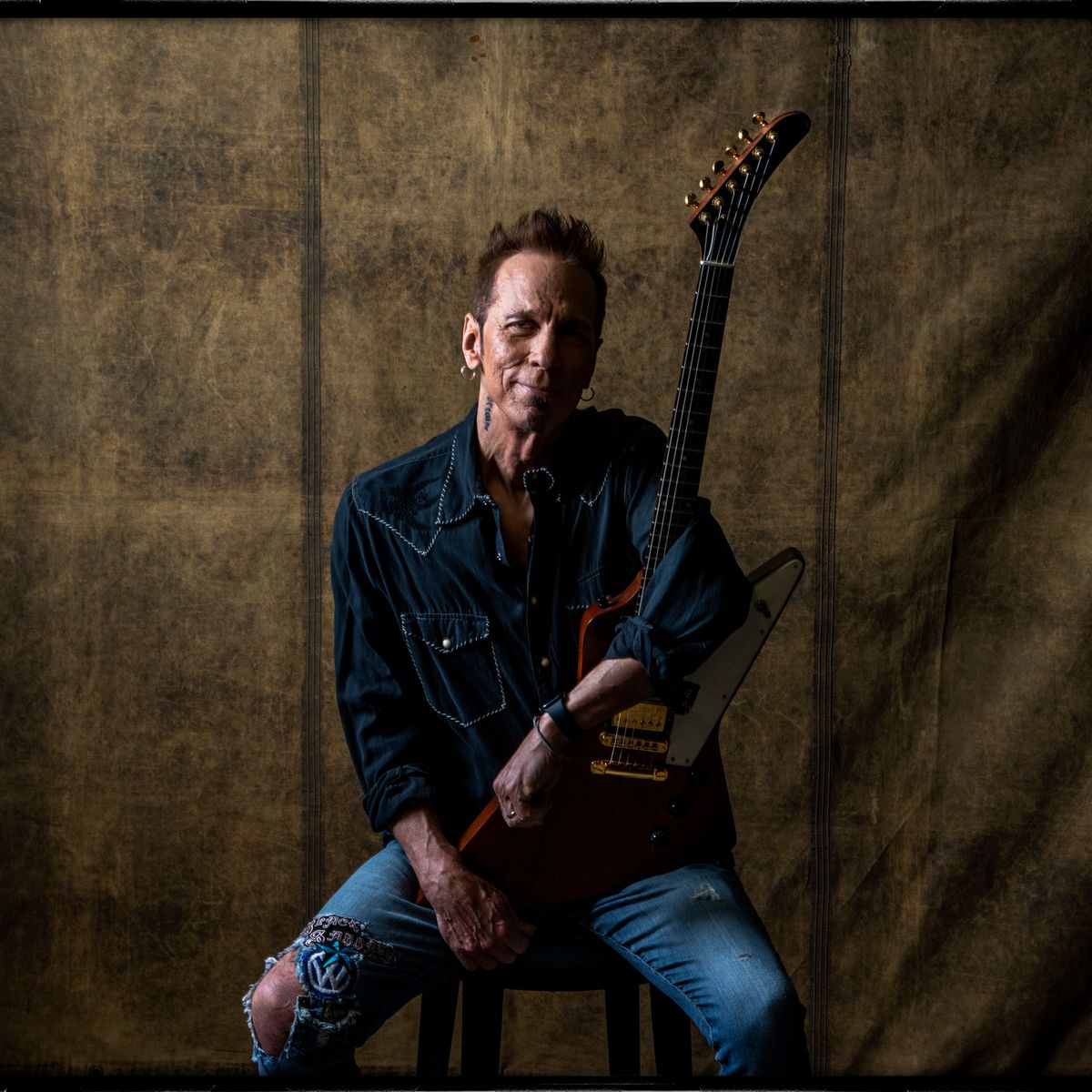
Dan Webb has spent the early chapters of Lion Dance looking closely at movement. “Hungry Ghosts”
carried the disorientation of leaving Melbourne for Singapore; “Things Rise And Fall”
approached change through Taoist ideas of impermanence and return. “Thai Basil”
catches that same restless imagination in a lighter mood. Rather than contemplating transition, Webb seems interested in what happens when an idea becomes too exuberant to stay neatly inside the lines.
The track moves accordingly. Synth bass and electronic drums establish its low-end drive, while drummer Micah Hummel and percussionist Nate Werth give the rhythm a more physical, unpredictable edge. Webb layers keyboards through the arrangement without using them simply as colour; parts appear, disappear and jostle for position, making the music feel as though it is constantly reorganising itself. There is considerable precision underneath it all, but “Thai Basil”
wears that complexity loosely.
Its defining feature arrives in the horns. Ron Blake and James King — both heard on recent Rolling Stones recordings — take on a line Webb originally improvised at home on keyboard. Only later did the practical flaw become apparent: fingers do not need to stop for breath.
“I improvised the horn parts on my keyboard at home, a couple of years back,” Webb explains. “It wasn’t until Ron pointed out I hadn’t left them space to breathe that I realised there was any problem. As a keyboardist, it’s not something you normally need to think about.”
Rather than rewrite the passage into something more accommodating, Webb and the players kept the problem intact. The performance was stitched together in the edit, preserving what he describes as an “impossible unison horn line.” From there, the arrangement opens outward into three-part counterpoint, sending brass figures across and around one another until the original phrase starts behaving less like a hook than a piece of machinery running slightly beyond specification.
That decision says plenty about Webb’s broader approach. His compositions often depend on control, but they rarely sound interested in obedience. On “Thai Basil,”
the tension comes from writing something first and worrying about its feasibility later. Classical counterpoint, jazz improvisation, electronic production and rock immediacy all meet inside that process, not as genre signposts but as different ways of solving — or occasionally preserving — the same musical problem.
It also gives Lion Dance another emotional register. After music concerned with displacement, instability and philosophical reflection, “Thai Basil”
makes room for mischief. The density remains, as does Webb’s fascination with arrangements that shift beneath themselves, but the emphasis is less on uncertainty than possibility.
There is something revealing in that impossible horn line. Webb could have made it easier. Instead, he found a way to keep the excess. “Thai Basil”
lives in that choice: intricate without becoming solemn, carefully constructed without behaving too carefully, and driven by the pleasure of following an idea beyond the point where common sense might have told it to stop.
If you would like to submit your music for playlist or feature consideration, please submit here via our partnership with MusoSoup.