> Fields: New Folk – feature updates every Wednesday
listen to the article
Alex Catchings – Off-Ramp
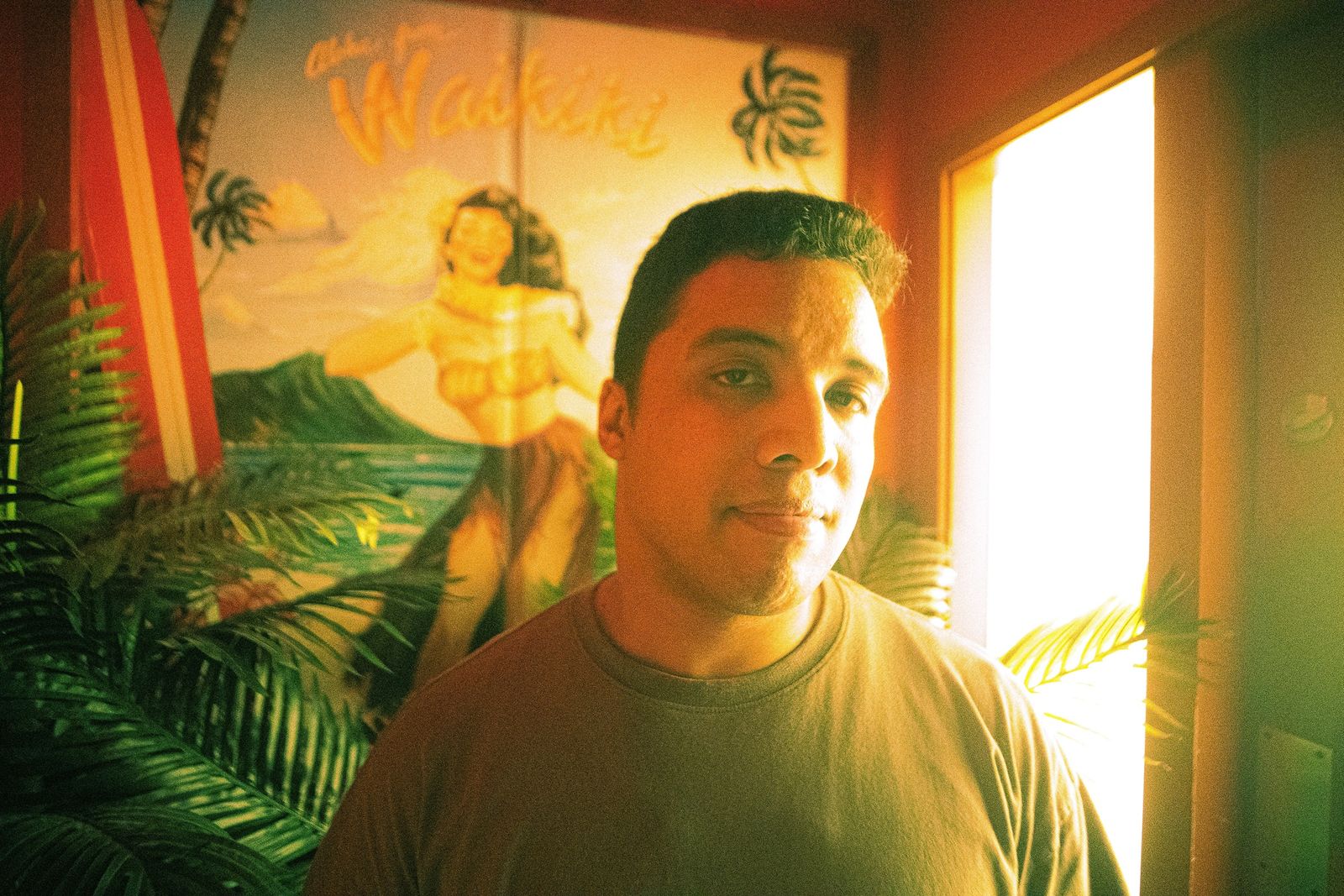
Alex Catchings Maps The Detours On Off-Ramp
Alex Catchings brings the accumulated perspective of several lives to Off-Ramp: Ph.D. seminars, classroom hours, and years of recording at home simply to keep music close. His songwriting sits in the intimate orbit of Elliott Smith and Jeff Tweedy, but there is also a brighter, coastal looseness in the way melodies stretch outward and leave room around the words. Produced by Grammy-winning pianist Ruslan Sirota and shaped with a cast of seasoned players, the album favours patience over excess, giving Catchings’ soft-spoken writing space to register.
That restraint suits songs concerned with loneliness, brief relationships, and the uneven process of becoming comfortable inside your own life. “Bargain Basement” and “Like the Nineties” reach back to ideas first sketched during Catchings’ teenage years, allowing past and present selves to occupy the same frame. Throughout Off-Ramp, ambition sits beside humility, with the smallest details carrying much of the emotional weight. The title feels apt: this is music interested less in the straight road than in what becomes visible once you leave it.
Sidiki Camara – Ankaben
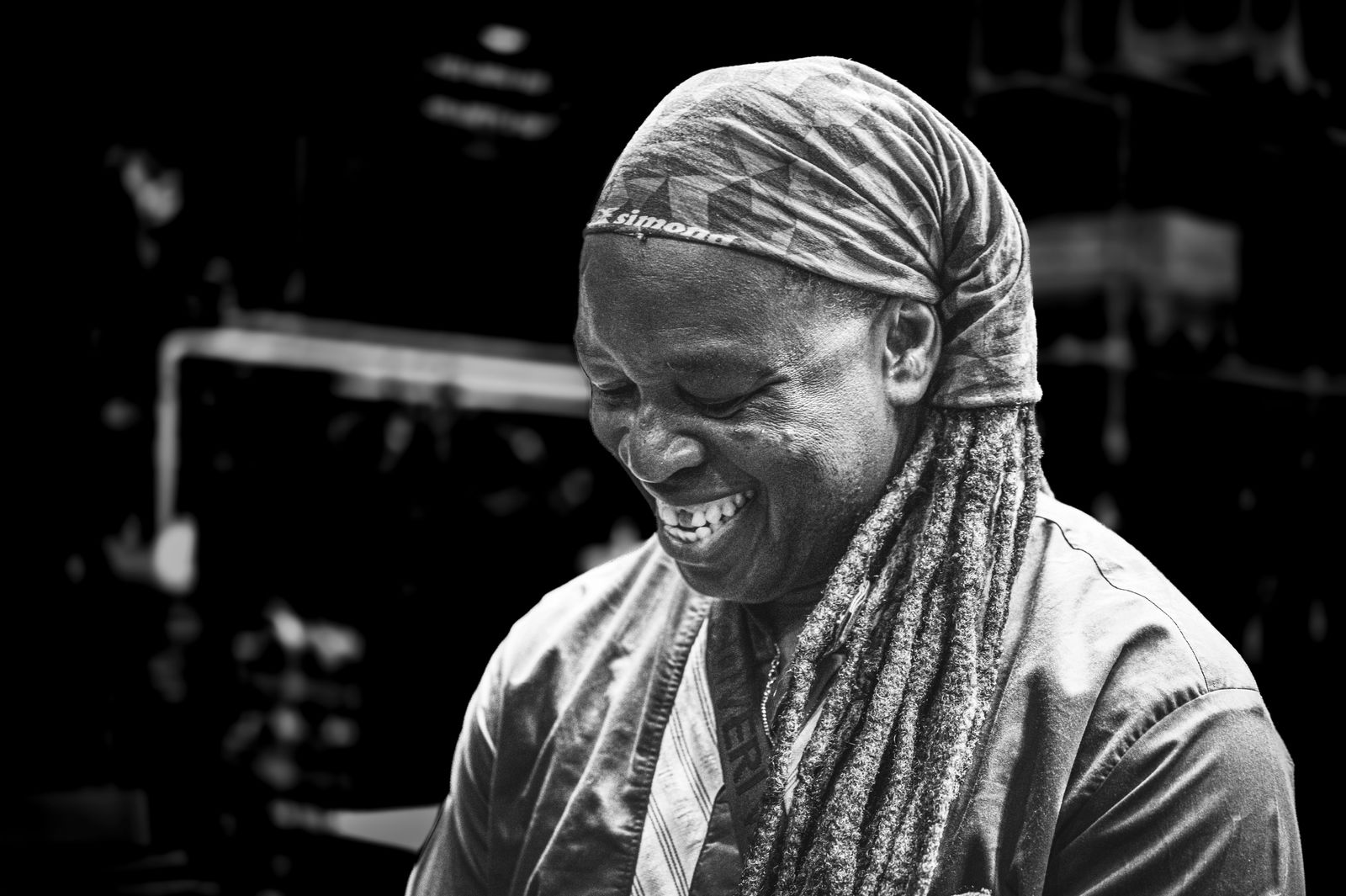
Sidiki Camara Keeps Tradition In Conversation On Ankaben
With Ankaben, Sidiki Camara makes a case for music as a living conversation. The Malian-born, Oslo-based percussionist folds Manding tradition into Norwegian jazz, folk and contemporary textures, letting drums, voices and strings breathe together in real time. Built with an exceptional ensemble, the album feels less like a studio statement than a gathering: improvisation, mutual respect and a quiet sense of purpose shaping every turn.
Camara has spent decades moving between scenes and continents, from collaborations with Boubacar Traoré and Bill Frisell to Ali Farka Touré, Esperanza Spalding and Karpe, and that breadth gives Ankaben its charge. At its center is a simple, disarming idea — humanity first. As Camara puts it, “Ankaben is about meeting across genres and cultures through mutual respect and spontaneous creation. It’s a reflection of my life’s journey through sound.”
Johnny Priest – Song for the Sun
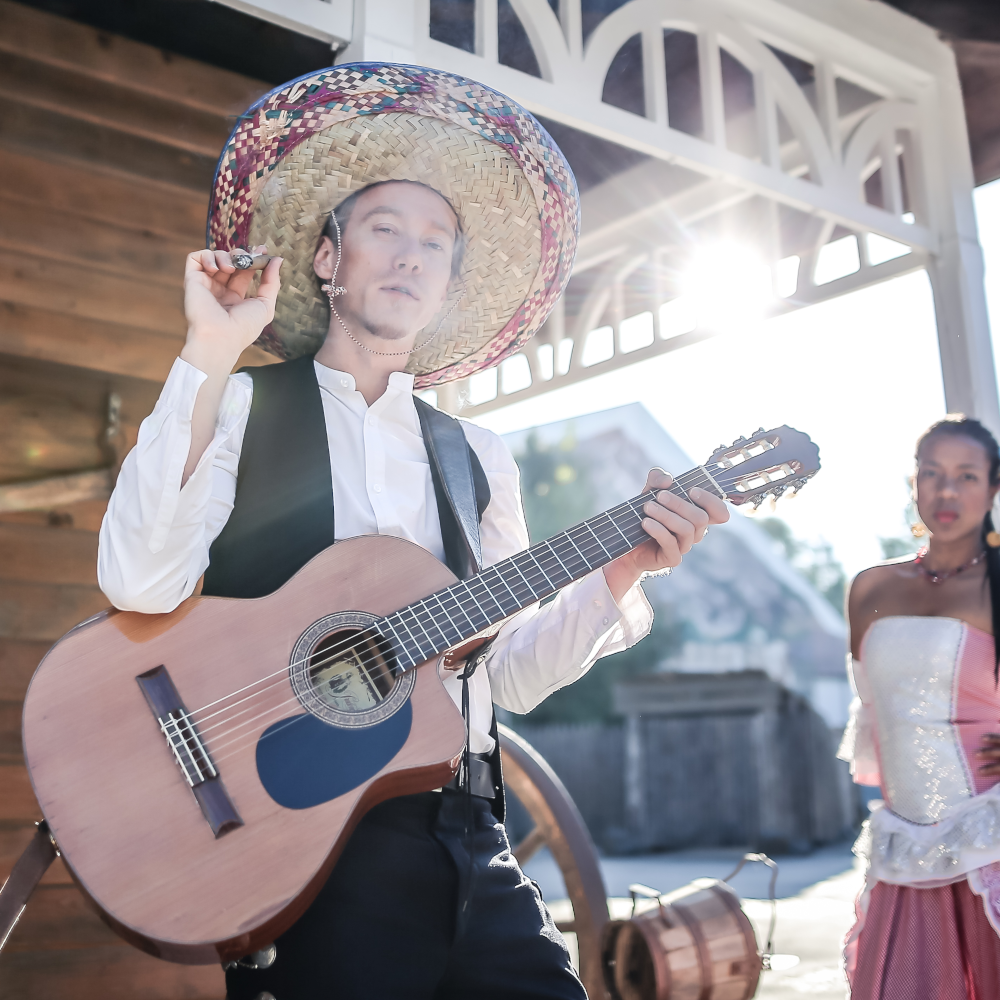
Johnny Priest Builds A Bridge Beneath “Song for the Sun”
Johnny Priest’s “Song for the Sun” moves with the ease of music that refuses to recognise borders. Huapango-leaning guitar rhythms, horn lines, and an Urdu-drum pulse fold Mexican influence into Priest’s Global Pop language, where cumbia, reggae, hip-hop, and Balkan brass share the same frame without competing for space.
His movement between German, English, and Spanish gives the track its character, making its multiculturalism feel lived rather than decorative. There is playfulness in the arrangement, but also perspective: the sun becomes a shared reference point, something larger than language, politics, or worry.
Priest keeps the groove light on its feet while letting gratitude and connection sit underneath, framing celebration not as escape, but as a way of meeting one another.
Marc Rattue – Farewell to the Forest
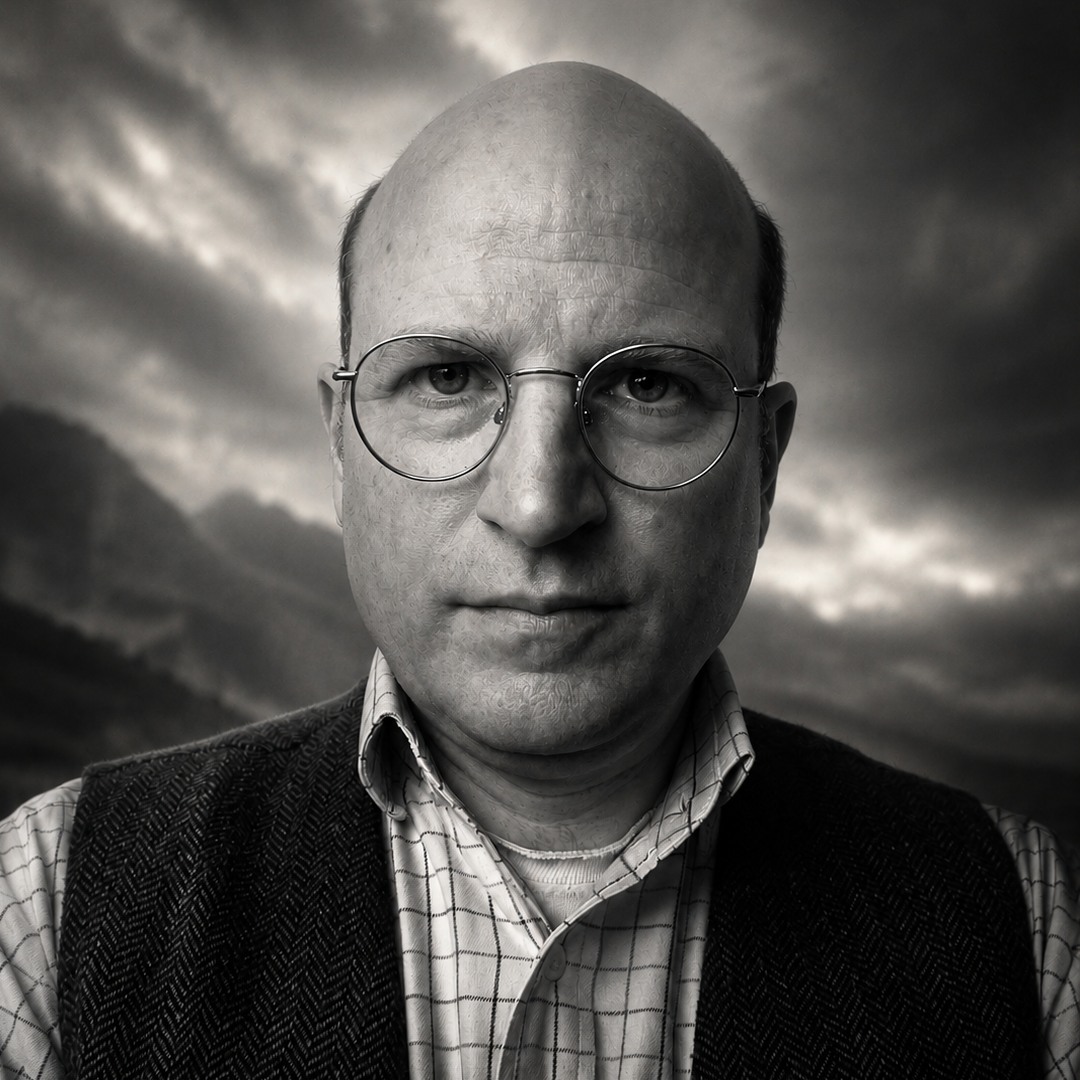
Marc Rattue Carries Tolkien’s Wonder Into “Farewell to the Forest”
Marc Rattue’s “Farewell to the Forest” carries the feeling of an old map brought back into the light. Written years ago and later revived in his Wiltshire home studio, the song draws together a life spent at sea, the quiet pull of the English landscape, and a lifelong relationship with Tolkien’s writing. The influence is unmistakable, but Rattue is less interested in retelling familiar mythology than in exploring what those stories taught him to notice: wonder, departure, memory, and the extraordinary hiding inside ordinary places.
That perspective runs through To the Elven Shore, where songs kept private for decades finally take on recorded form. Modern production and AI-assisted elements add definition without displacing the writing at the centre, allowing folklore and personal history to overlap naturally. As Rattue explains, the album is less about Tolkien himself than “the things his stories taught me to notice.” “Farewell to the Forest” gives that idea its clearest shape, letting an imagined world illuminate the real one.
Dan Fraser – Suppose I could
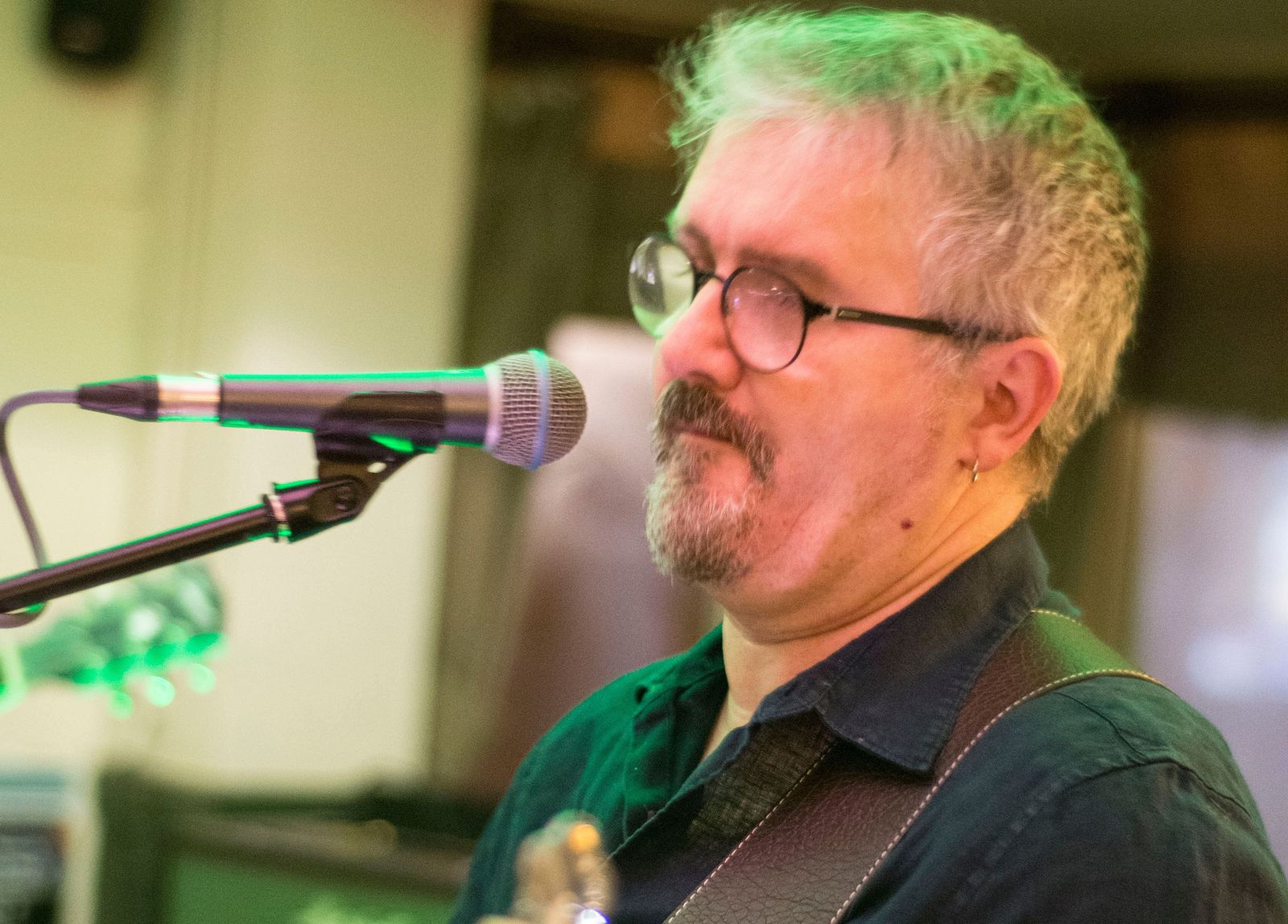
Dan Fraser Turns a Love Letter Into “Suppose I Could”
Dan Fraser’s “Suppose I Could” carries the intimacy of a handwritten note set to melody. Written for his wife Rachel during a period when their future together felt uncertain, the song later became a wedding gift and first dance, giving its tenderness a history that extends well beyond the studio. Recorded at Woodbury Recording Studios, with Fraser handling nearly every instrument and Russ Simpson on piano, the track blends classic singer-songwriter warmth with the directness of a confession that was never meant to be abstract.
Fraser’s connection to live music around Thaxted and through JDS gives the recording an added sense of continuity: this is personal songwriting shaped by years of performance. A publishing deal with Arty Records widened the song’s reach, but its centre remains unchanged. “Suppose I Could” is rooted in one relationship, one uncertain moment, and the relief of seeing that story continue.
If you would like to submit your music for playlist or feature consideration, please submit here via our partnership with MusoSoup.