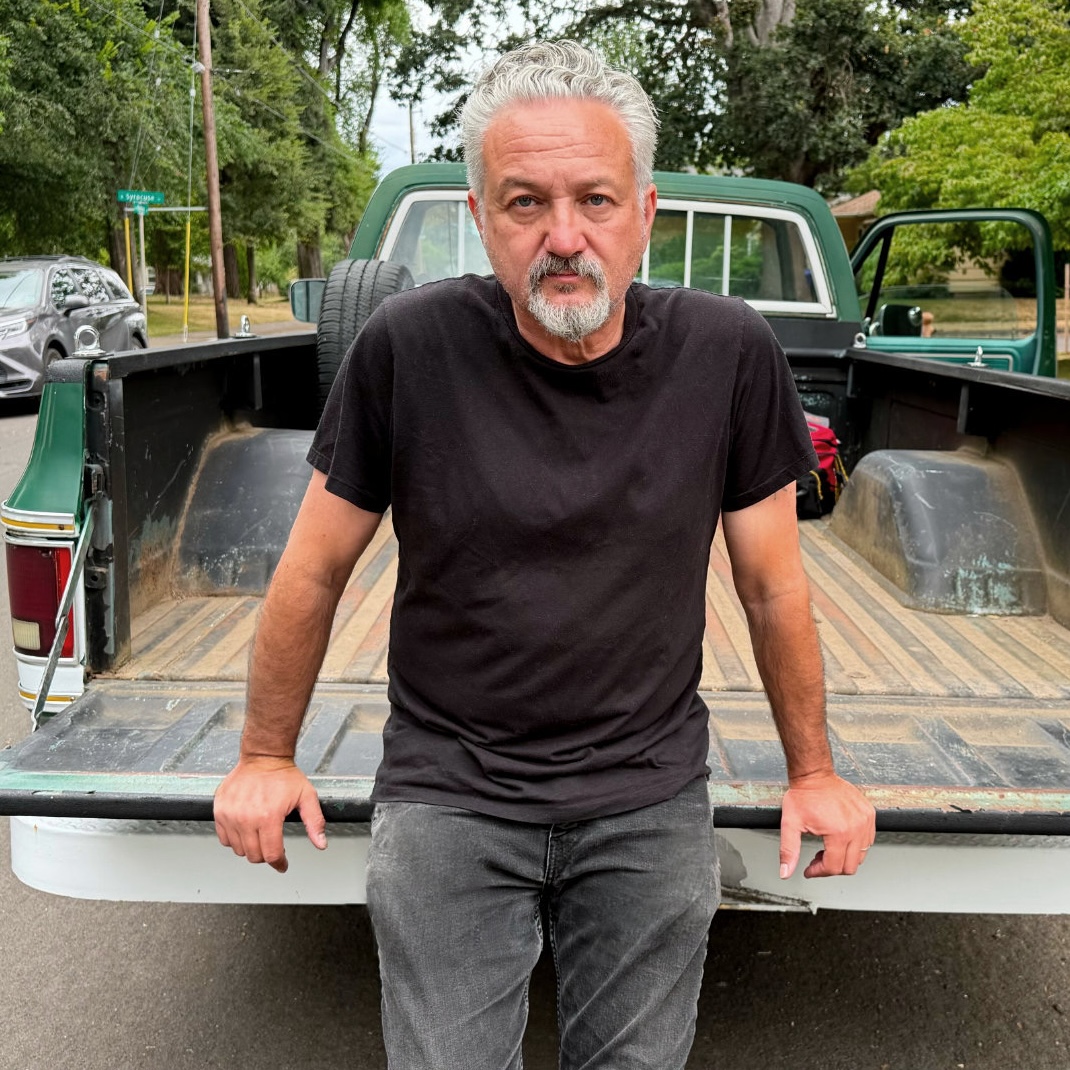

The Philadelphia Folk Artist Turns Hardship Into Clear-Eyed, Warm-Blooded Songcraft
listen to the article

Ryan Yingst has built A Nice Neighborhood to Have Bad Habits In from the kind of material most people spend years trying to outrun. Addiction, loss, family rupture, the low-grade static of an indifferent world: he doesn’t dress any of it up, but he doesn’t flatten it either. The EP feels like a room where difficult conversations are finally allowed to breathe, and where judgement has been left at the door.
That balance suits Yingst’s background. Raised in Hershey and sharpened through jazz guitar study, audio engineering, and years of gigging across Pittsburgh, Nashville, and now Philadelphia, he sounds like someone who’s lived inside enough scenes to recognise the difference between polish and truth. His music sits in that fertile middle ground where indie folk meets classic rock muscle, with a little jazz-minded curiosity around the edges. You can hear the pull of Gregory Alan Isakov and Shakey Graves in the intimate storytelling, the emotional lift of Hozier and Noah Kahan in the vocal delivery, and a streak of The Cure or Oasis in the way certain songs lean into dramatic sweep without losing their footing.
The EP was assembled gradually, often in Yingst’s home studio, which gives it a lived-in quality. Nothing feels over-managed. Drums, bass, strings, and harmonies enter like people arriving one by one to help carry something heavy. That homegrown process matters. It keeps the songs close to the body. Even the arrangements, with their careful string writing and acoustic density, feel less like decoration than pressure points, tightening around the lyric when needed and opening up when a song needs air.
“Ordinary Means”
sets the tone by finding beauty in the overlooked, a small act of attention that becomes its own kind of moral stance. Elsewhere, “Canary in the Coal Mine”
carries the ache of leaving Nashville behind, folding disillusionment into a tune that still moves with purpose. “The Tallest Trees”
is one of the EP’s most affecting moments, its live-in-studio feel giving the song a kind of bare nerve. Cello and guitar meet with a quiet gravity, and the whole thing seems to hold its breath around the subject of grief.
Then there’s “Dopamine,”
which takes a sharp turn by writing from the perspective of an addictive substance. It’s a clever conceit, but Yingst uses it to ask harder questions about desire, damage, and the strange bargains people make to keep going. “If I Don’t Have You”
lightens the palette with a wink of ’90s rock swagger, while “We Were Once Wild”
lands with the ache of a family story still being processed. The song’s nostalgia doesn’t feel sentimental; it feels earned, the way memory often does when it returns with teeth.
Yingst has said, A Nice Neighborhood to Have Bad Habits in is me sharing a slice of who I am.” That’s the right frame. This EP isn’t interested in tidy redemption. It’s interested in looking straight at the mess and finding the part of it that can still sing.
If you would like to submit your music for playlist or feature consideration, please submit here via our partnership with MusoSoup.