A Sparse, Cinematic Chanson Where Time Lingers In Every Phrase
listen to the article
FRANCK understands how much can gather around a pause. On “La Rengaine”
, the French singer-songwriter and composer pares everything back to acoustic guitar, strings and voice, letting silence become part of the arrangement rather than something to fill. The result sits firmly within the storytelling tradition of chanson while carrying a cleaner contemporary shape: intimate, measured and attentive to the emotional weight of small details.
The song unfolds like memory often does — not chronologically, but through fragments. A grey room. A wool sweater. A walk beside the Seine. A corner bar. FRANCK allows these images to surface without forcing them into explanation, trusting their specificity to carry the feeling. They appear briefly, almost tactile, before slipping away again. “La Rengaine”
lives in that movement between recollection and disappearance, tracing the way ordinary places and objects can retain the outline of what once happened around them.
His spoken-sung delivery makes that sense of proximity even stronger. FRANCK keeps the vocal close and unforced, more concerned with the shape of the words than with dramatic display. A line can settle almost conversationally before the arrangement gathers around it; elsewhere, a pause is given enough room to become part of the thought itself. The strings follow that restraint. Rather than signalling emotion on cue, they enter gradually, hover around the edges of the song and withdraw again, leaving the voice and guitar exposed.
That economy connects “La Rengaine”
to the long lineage of French chanson, where observation, language and atmosphere can carry as much meaning as melodic flourish. Yet FRANCK avoids treating tradition as costume. The song’s sparseness feels deliberate rather than nostalgic, its production leaving enough negative space for the writing to remain central. What emerges is less a recreation of an earlier style than an artist using its vocabulary to examine memory from where he stands now.
That perspective carries particular weight after years away from songwriting. FRANCK’s return to music comes with more life accumulated behind the words, and “La Rengaine”
seems shaped by that distance. There is no attempt to force the past into resolution. Instead, the song listens to what remains: places, gestures, textures, and the emotional residue that persists long after events themselves have receded.
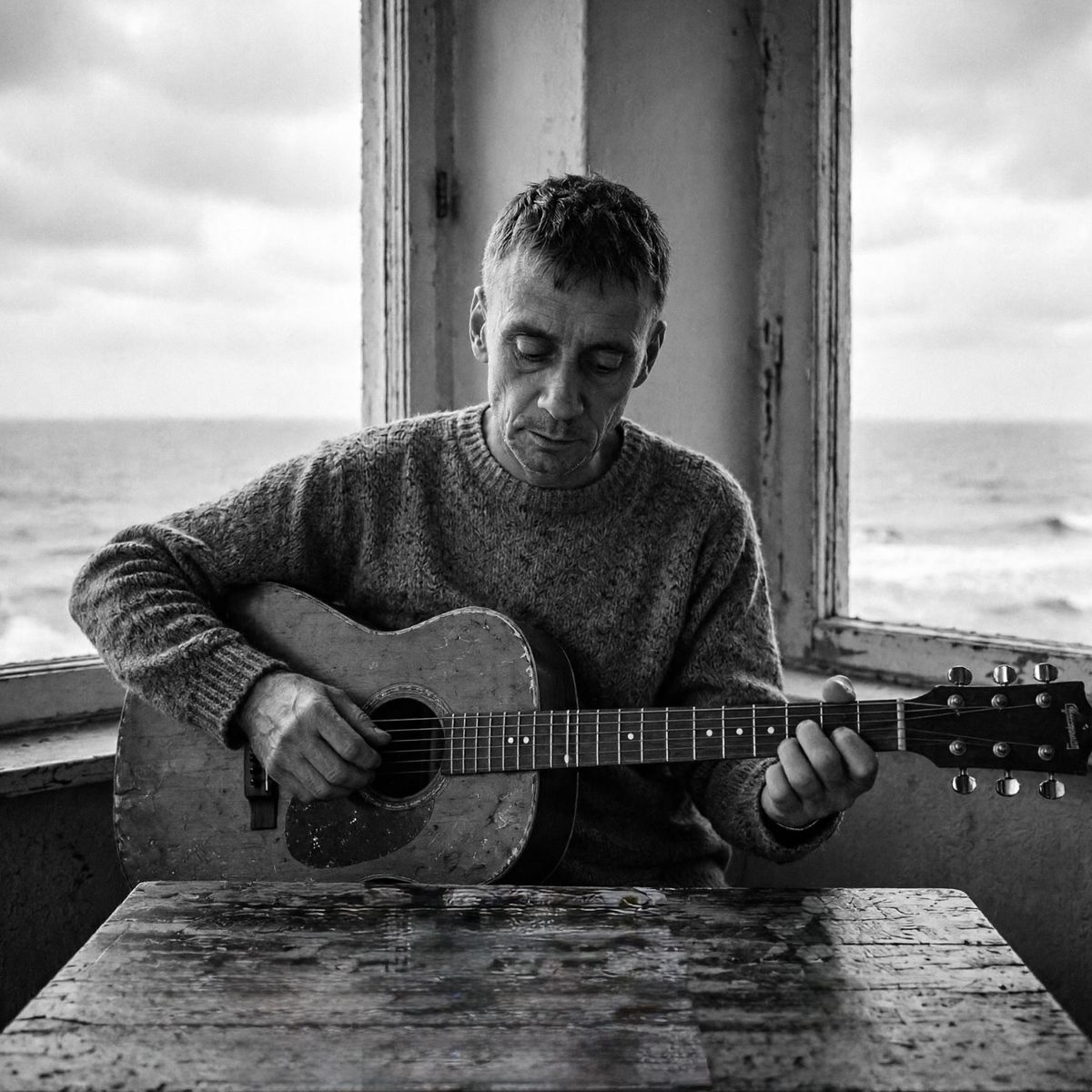
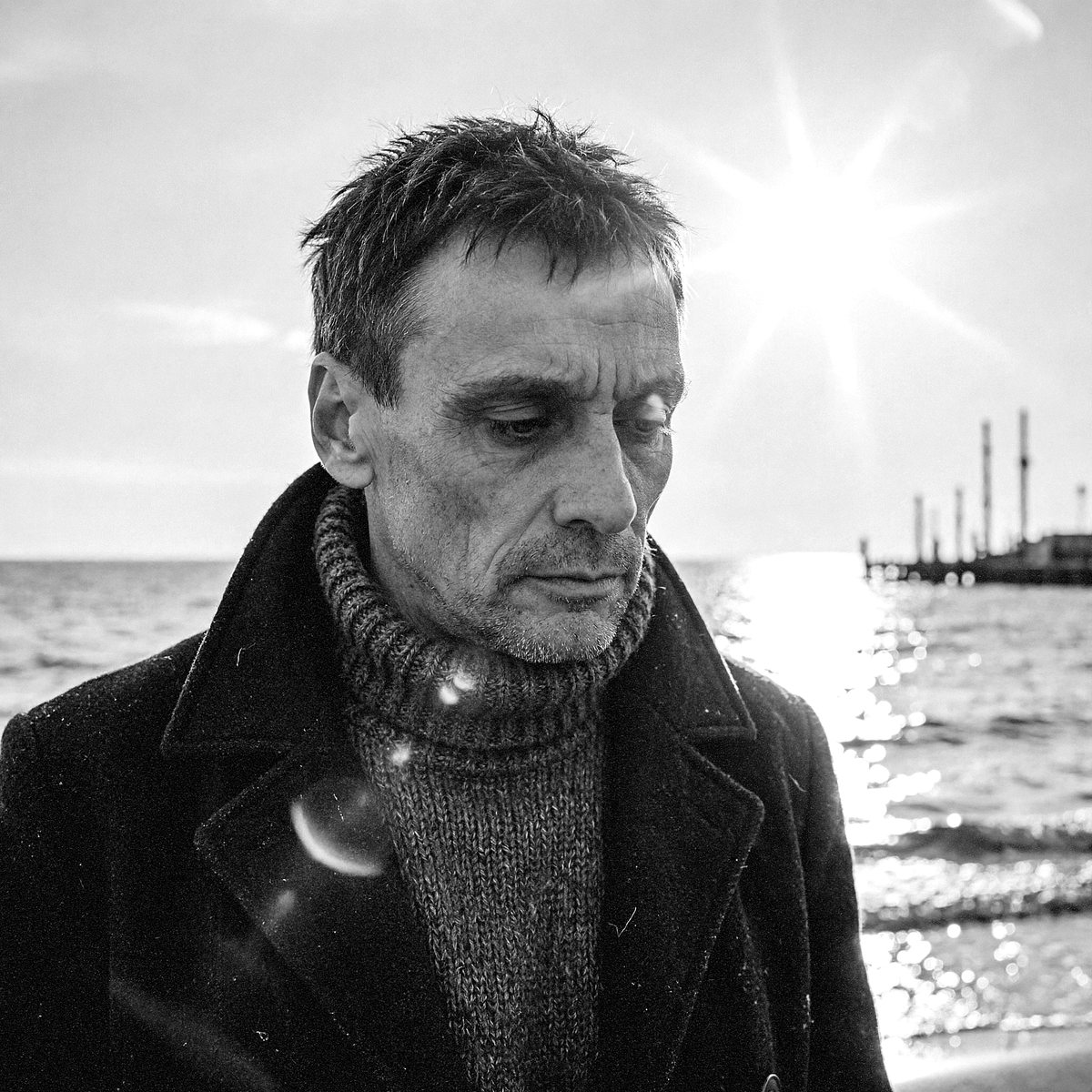
The black-and-white visual language surrounding the track extends that sensibility. Stark without feeling austere, it mirrors the song’s preference for suggestion over explanation, leaving enough emptiness in the frame for listeners to bring their own memories into it.
“La Rengaine”
is ultimately a song about what survives in fragments. FRANCK does not chase revelation so much as recognition, allowing memory to remain blurred at the edges and unfinished at its centre. In that restraint, the song finds its quiet force: not in trying to recover the past, but in noticing how insistently it continues to echo through the present.
If you would like to submit your music for playlist or feature consideration, please submit here via our partnership with MusoSoup.