
> Hinterland: New Americana – feature updates every Thursday
listen to the article
Stephen Webber – Here We Go

Stephen Webber Turns Screen Fatigue Into A Joyous Acoustic Rally
Stephen Webber Emmy-winning composer and Grammy-nominated producer Stephen Webber has a knack for making big ideas feel human, and “Here We Go” does exactly that. Built on propulsive ukulele, snapping Americana textures, and a wink of post-pandemic humor, the single sounds like a porch party with a sharper conscience. Webber leans into the absurdity of modern life, then lifts it with fiddle, dobro, and the soaring voice of Zahara (Annette Philip), whose finale gives the track its emotional lift.
There’s a lived-in ease here that recalls the sly charm of Flight of the Conchords, but the playing has the muscle and precision of a Berklee reunion. Webber turns a simple invitation—show up, sing together, reconnect—into something generous and timely. “Here We Go” doesn’t sermonize; it smiles, grooves, and reaches for the room.
EJ Ouellette – The Fiddle Funnel Sessions
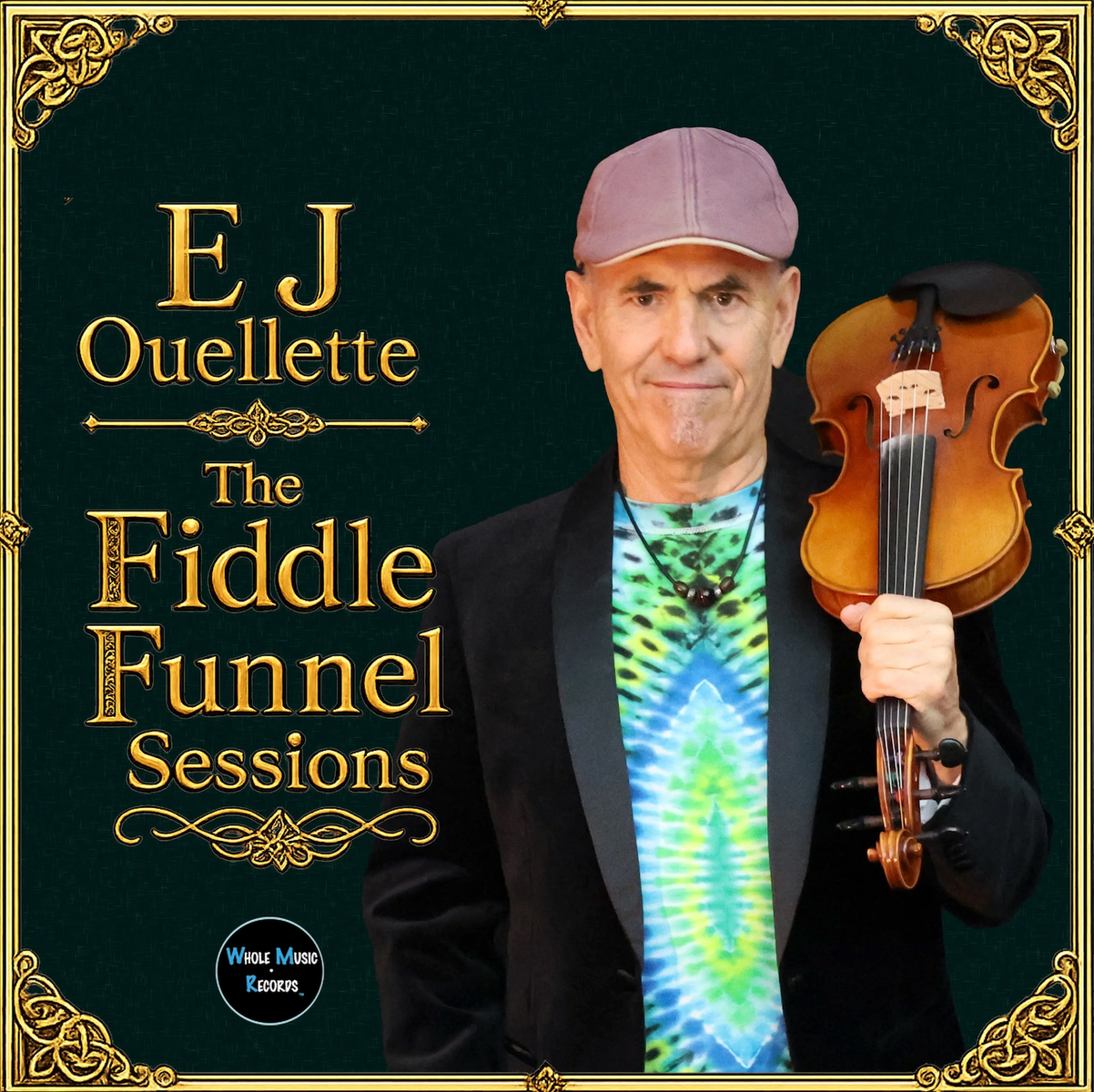
EJ Ouellette Carries New England Fiddle Tradition Into The Present
EJ Ouellette has spent decades treating the fiddle like a passport, and The Fiddle Funnel Sessions sounds like the map he’s been drawing all along. Rooted in New England Celtic, Acadian, Irish and French-Canadian traditions, the album folds original compositions and reinvented traditional tunes into a set that feels both weathered and freshly cut. Ouellette plays with the authority of a seasoned bandleader and the instinct of a storyteller, letting melody carry the weight where lyrics usually would.
Recorded at Whole Music Records Studios in Massachusetts, the project leans into natural acoustic performance, with each player adding texture without clutter. The result is warm, conversational, and alive to the room. Ouellette, who says, “I’ve spent my life connecting tradition with imagination. Every recording is another step toward preserving where we’ve come from while discovering where the music can still go.”, makes that mission feel tangible here.
Evil Jake – Be My Ex-Girlfriend
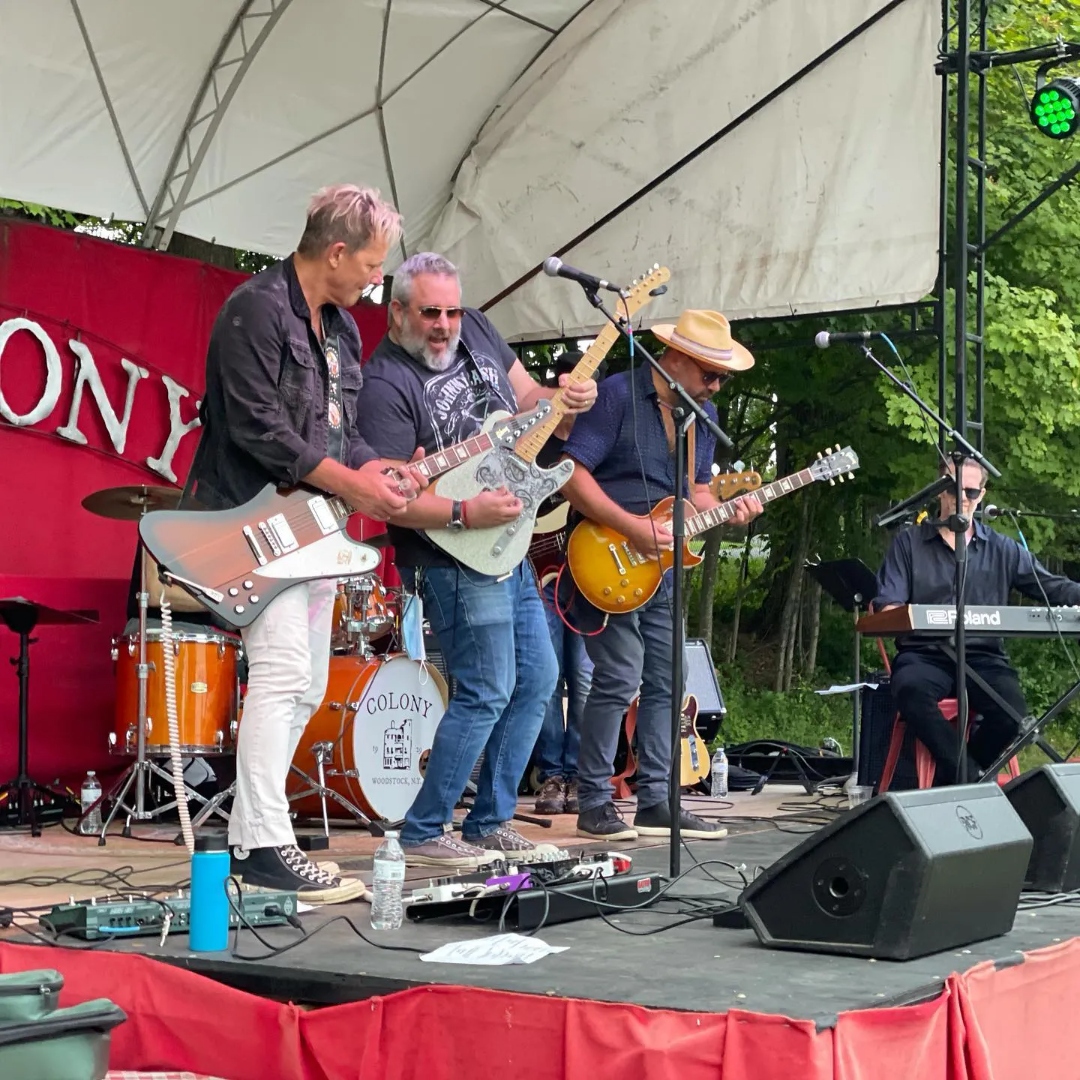
Evil Jake Reignites Hook-Heavy Guitar Rock With Wit And Bite
Evil Jake sound like a band with road miles in the guitars: New York grit, power-pop brightness and enough weight in the riffs to keep the songs grounded. On Be My Ex-Girlfriend, frontman Mike Jacobs brings those instincts into sharper focus, while producer Adam Lasus gives the record a taut, punchy frame. Bright choruses collide with jagged guitar edges, carrying traces of Cheap Trick, The Police and early Foo Fighters without slipping into imitation.
What gives the album its identity is the band’s sense of character. Hooks arrive with a wink, and the swagger is balanced by something more human underneath. Guest appearances from Sam Endicott and Patti Rothberg widen the palette without disturbing that centre. Across the record, Evil Jake favour immediacy over excessive polish: big guitars, clean melodic lines and songs built to feel communal, as though the room is already preparing to answer back.
Mattock – Lil’ Busted fox
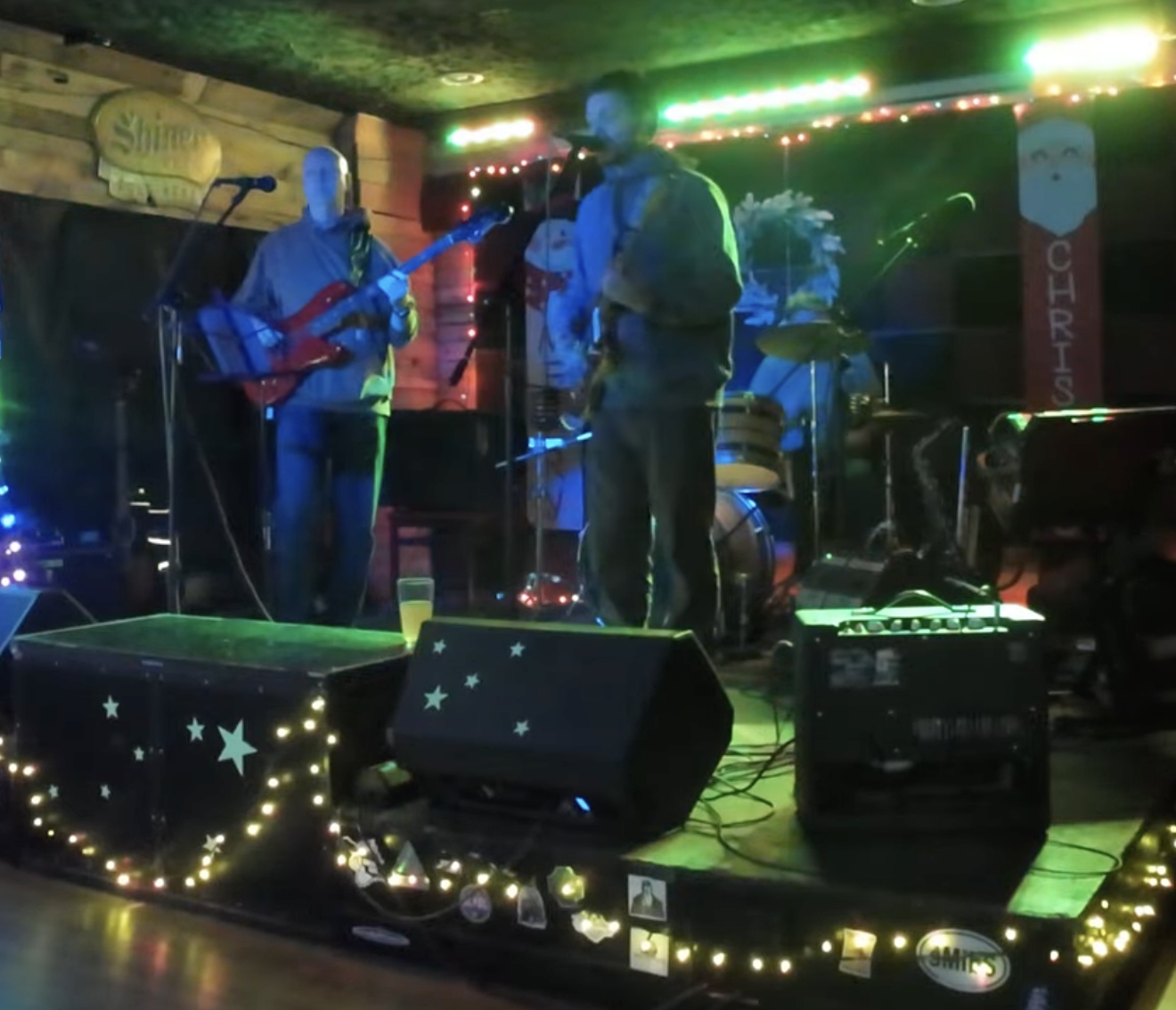
Mattock’s “Lil’ Busted Fox” Dances Through Americana’s Shadows
With “Lil’ Busted Fox,” Mattock draw on decades of friendship and musical history to create something rooted in Americana-rock but resistant to easy boundaries. Casey Brandt’s guitar work carries the grain of years spent in New York rooms including CBGB, while Jason Fletcher brings a rhythmic foundation shaped by the DC metro scene of the 1990s.
That shared history gives the track its character. Haunting folk-rock textures rub against flashes of punk abrasion, allowing melody and grit to occupy the same space. “It’s about channelling the unexpected,” Brandt says, a philosophy that runs naturally through Mattock’s approach. Alongside longtime collaborators John Ranta and Jason Gambrell, the pair build music that respects rock and roll’s visceral core without treating tradition as a set of rules. Within Daughters, “Lil’ Busted Fox” captures that balance clearly: familiar roots pushed toward stranger, rougher terrain.
JP Kennedy – Hokahey
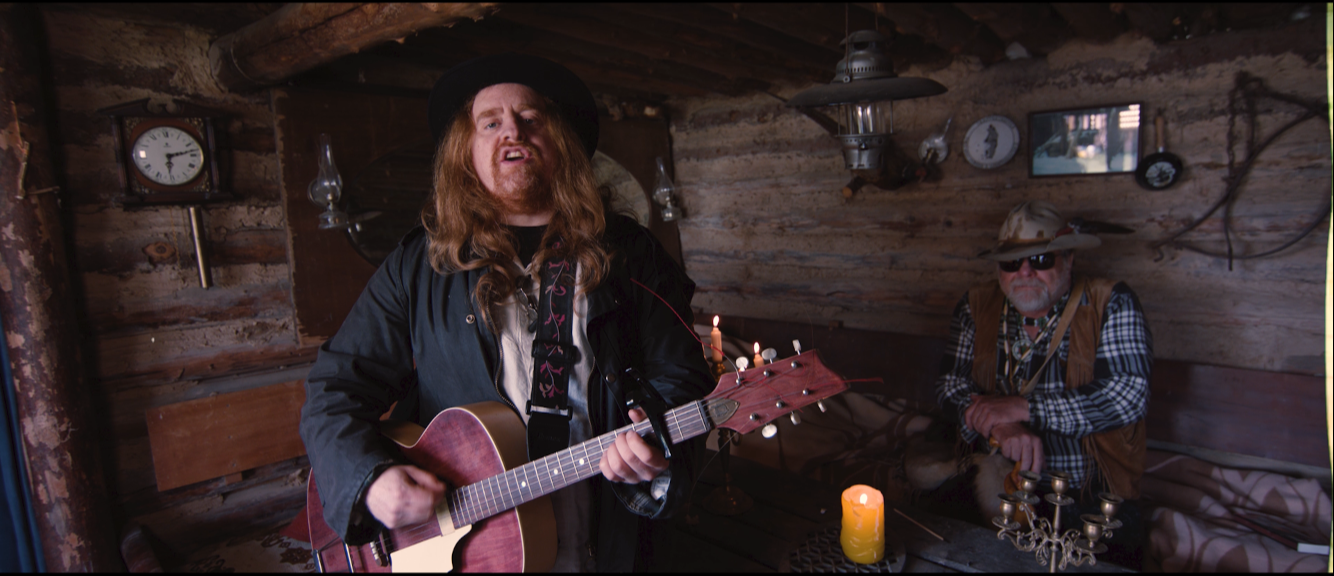
JP Kennedy Channels Red Cloud’s Resistance Through Folk-Rock Fire
JP Kennedy’s “Hokahey” lands like a campfire tale with grit in its teeth: fiddle-led, brisk and charged by the thunder of tribal drums. The Irish folk-rock artist draws on Native American history within a widescreen outlaw setting, tracing Chief Red Cloud’s resistance with a storyteller’s eye and a punk instinct for momentum. The song moves between melodic lift and something more elemental, its chorus carrying the communal force of a rallying cry.
A vivid accompanying video extends that sense of frontier theatre, reflecting Kennedy’s fascination with character, costume and myth. Produced by Aisling Jarvis, “Hokahey” sits within his broader Road to Jerome concept, inspired by stories passed down from his great-grandfather’s time running a saloon in the American West. That connection gives the song a strong narrative spine, bringing history, folklore and inherited fascination into the same frame. Kennedy approaches the past less as something to preserve than material to reinterpret, filtering old legends through the energy and immediacy of folk rock.
If you would like to submit your music for playlist or feature consideration, please submit here via our partnership with MusoSoup.