> Fields: New Folk – feature updates every Wednesday
listen to the article
Mark Cee – Missed Connection
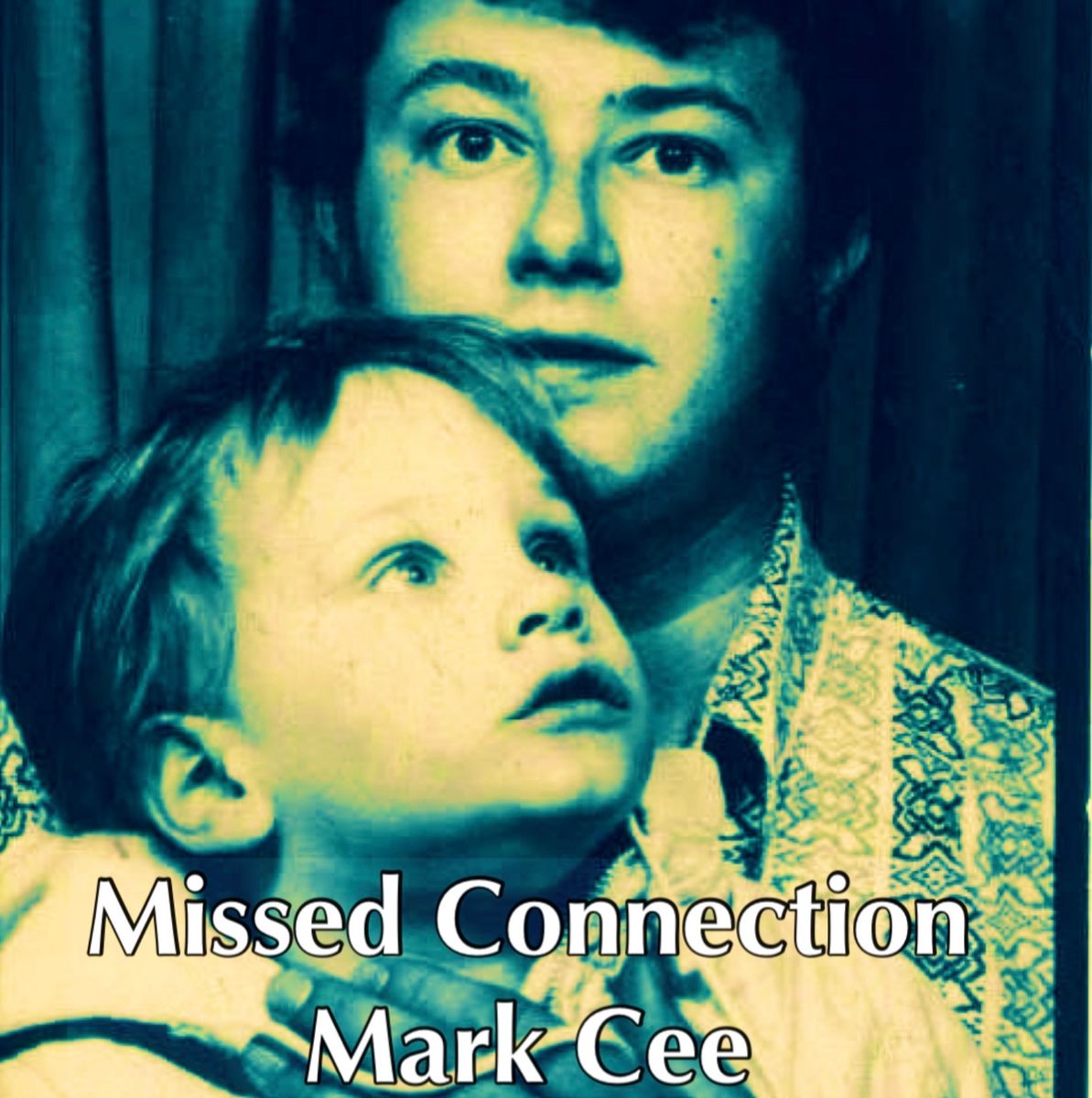
Mark Cee Keeps It Human On “Missed Connection”
Mark Cee’s “Missed Connection” leans into the kind of indie folk that breathes instead of rushes. Built from spare guitar, ambient space, and a voice that sounds like it’s carrying a long memory, the single finds the Long Island songwriter in that sweet spot between confession and restraint. There’s no studio gloss here, no AI sheen, just the human grain of a home recording that feels close enough to touch.
Following “How You Left Me Still,” the track deepens the world of It’s Me, Mark Cee, a forthcoming LP shaped by three decades of songwriting and poetry. If Bon Iver, Elliott Smith, and early Bob Dylan keep coming up, it’s because Mark Cee shares their gift for making plainspoken detail feel haunted. “Missed Connection” doesn’t overreach; it lingers, folds, and leaves the ache hanging in the room.
Naoko Hiranuma – Surfing is a Waiting Game

Naoko Hiranuma Lets Patience Drift Through A Coastal Folk Daydream
Naoko Hiranuma lets patience set the tempo on “Surfing Is a Waiting Game.” The Japanese indie-folk artist pairs warm acoustic guitar with an unhurried melody and salt-air imagery, drawing the rhythm of surfing into a reflection on timing, surrender, and knowing when to stop forcing what will not come. Inspired by a phrase she heard while helping run a surf camp in Fiji — “Surfing is a waiting game” — Hiranuma expands a simple piece of advice into something more searching. The song carries the ease of a long coastal drive, but melancholy moves beneath its sunlit surface, shaped by the understanding that waiting can be its own kind of motion, and letting go another way of moving forward.
Martin Lloyd Howard – Highland Mist
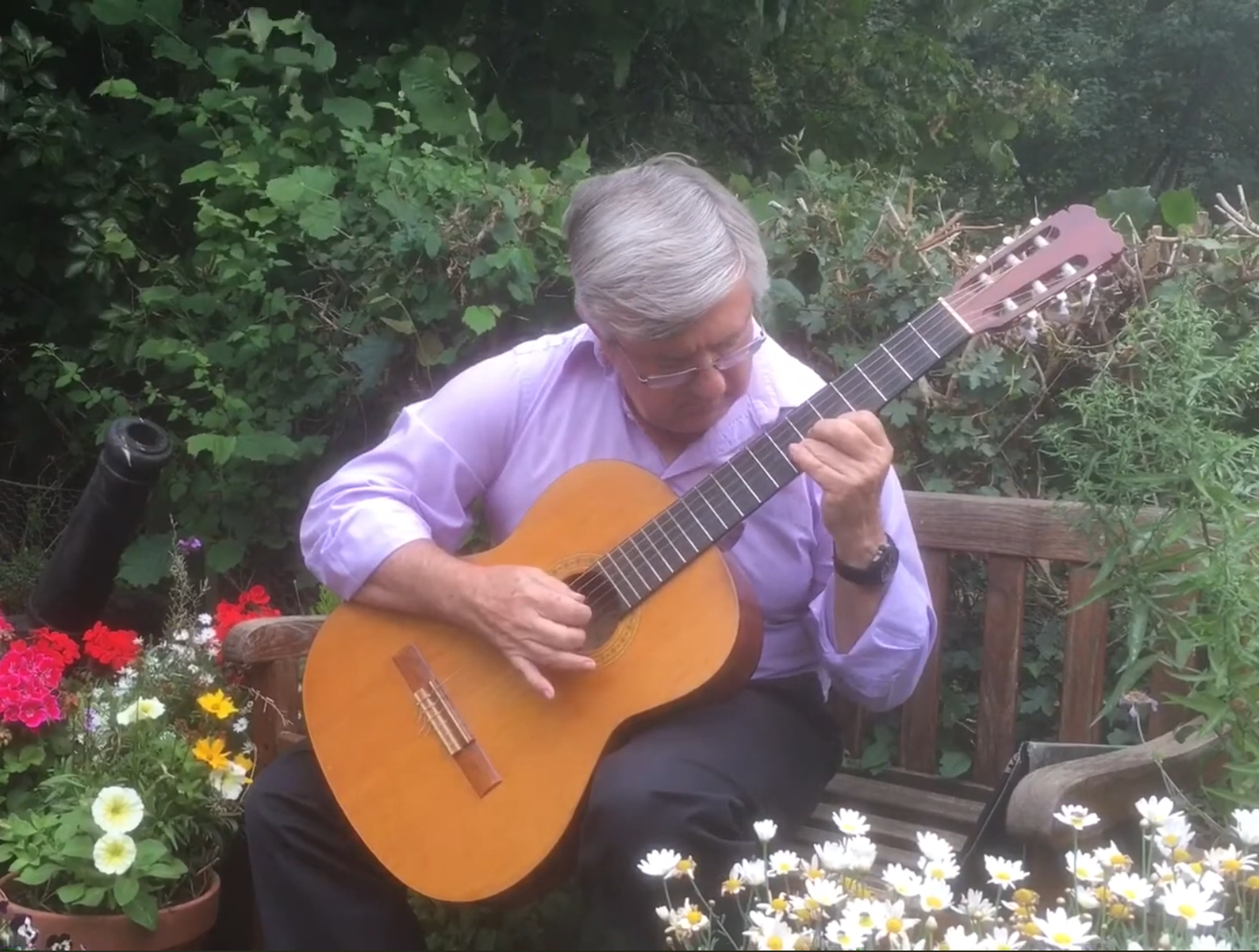
Martin Lloyd Howard Lets Simplicity Carry The Spirit Of The Highlands
Martin Lloyd Howard’s “Highland Mist” brings the finer contours of his playing into focus. Built around DADGAD tuning and performed on a Tanglewood steel-string acoustic, the piece exchanges the rounded warmth of his usual classical nylon guitar for something brighter and more windswept. The fingerstyle arrangement is shaped as much by space as melody, its phrases rising and receding like weather moving across the Highlands.
Recorded in Howard’s home loft with a single Rode NT4 microphone positioned nine inches from the guitar, the track retains an intimate, tactile presence, keeping every pluck and resonance close to the surface. Moving between classical discipline, folk, blues and rock, Howard treats the alternate tuning as a compositional language rather than a flourish. That restraint gives “Highland Mist” its image-rich character and quiet sense of place.
Scott Cook – Frankie’s Braids

Scott Cook Writes Toward Belonging On “Frankie’s Braids”
Scott Cook writes in the tradition of narrative folk, but “Frankie’s Braids” carries an unusually sharp edge. Drawn from his years teaching kindergarten in Taiwan, the song begins with a four-year-old boy and gradually opens onto questions of gender, conformity, and the brutal legacy of Canada’s residential schools. Cook never overstates the weight of those connections; he lets them accumulate line by line, allowing an intimate memory to take on a much larger historical charge.
A seasoned touring troubadour shaped by Woody Guthrie’s example, Cook brings plainspoken empathy to songwriting built around lived experience. “Frankie’s Braids” remains tender without blunting its implications, a balance that speaks to the broader concerns of Troubadourly Yours, Cook’s eighth full-length album, out August 21. He writes to widen the circle, and here, one small story becomes an invitation to reconsider what belonging can mean.
Esteban Obando – Montreal (Feeling it All)
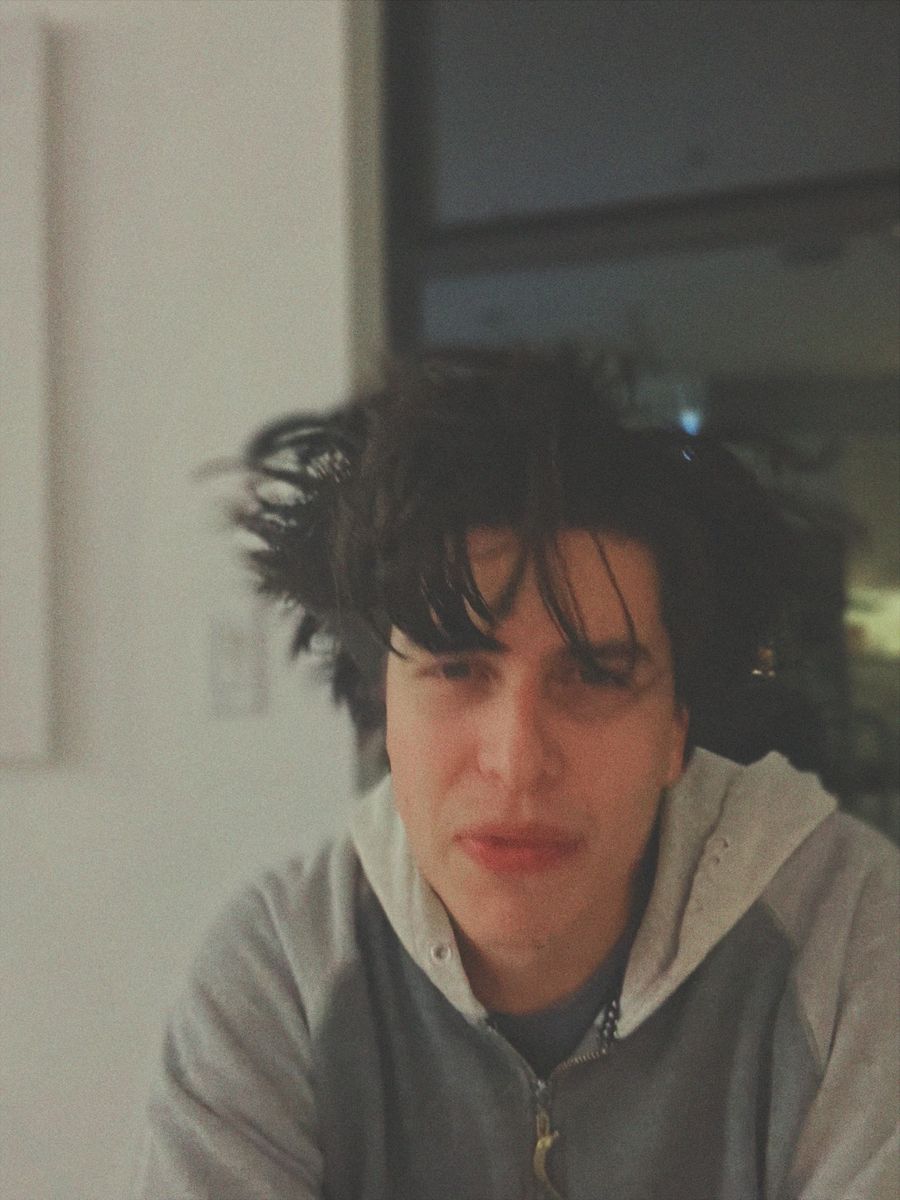
Esteban Obando Weaves Tape Hiss Into Memory On “Montreal (Feeling It All)”
On “Montreal (Feeling it All),” Esteban Obando makes nostalgia feel tactile — all spring reverb, doubled vocals, and the soft blur of tape flutter. The Los Angeles-based songwriter, who grew up in Montreal after leaving Colombia, folds memory into a hushed, Elliott Smith-adjacent glow, but the song never feels borrowed. It’s personal in the way a half-remembered street can be personal: specific, weathered, and alive with feeling.
Recorded in a single afternoon on a 1990s Tascam Portastudio with just a Shure Beta 57, a Fender Telecaster, and a Nord Electro, the track leans into imperfection as a kind of truth. A faint metronome bleeds through and the edges stay rough, qualities that suit the wider world of Tiny Pieces of Tape vol.1. It captures an artist loosening his grip on control and trusting the song to carry its own weight.
If you would like to submit your music for playlist or feature consideration, please submit here via our partnership with MusoSoup.