A Delicate Piano Miniature Where Romance, Nostalgia, and Wonder Turn in Circles
listen to the article
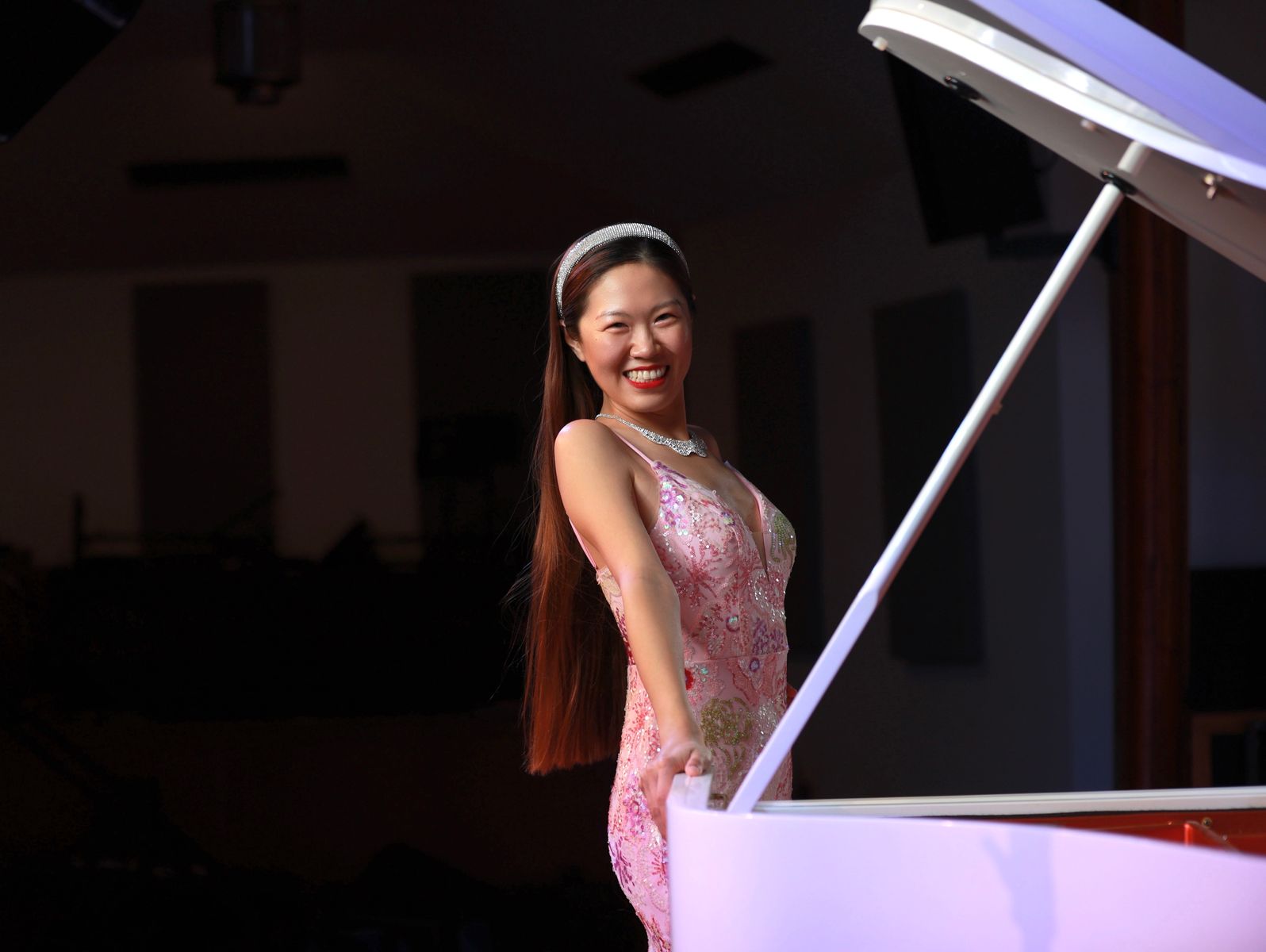
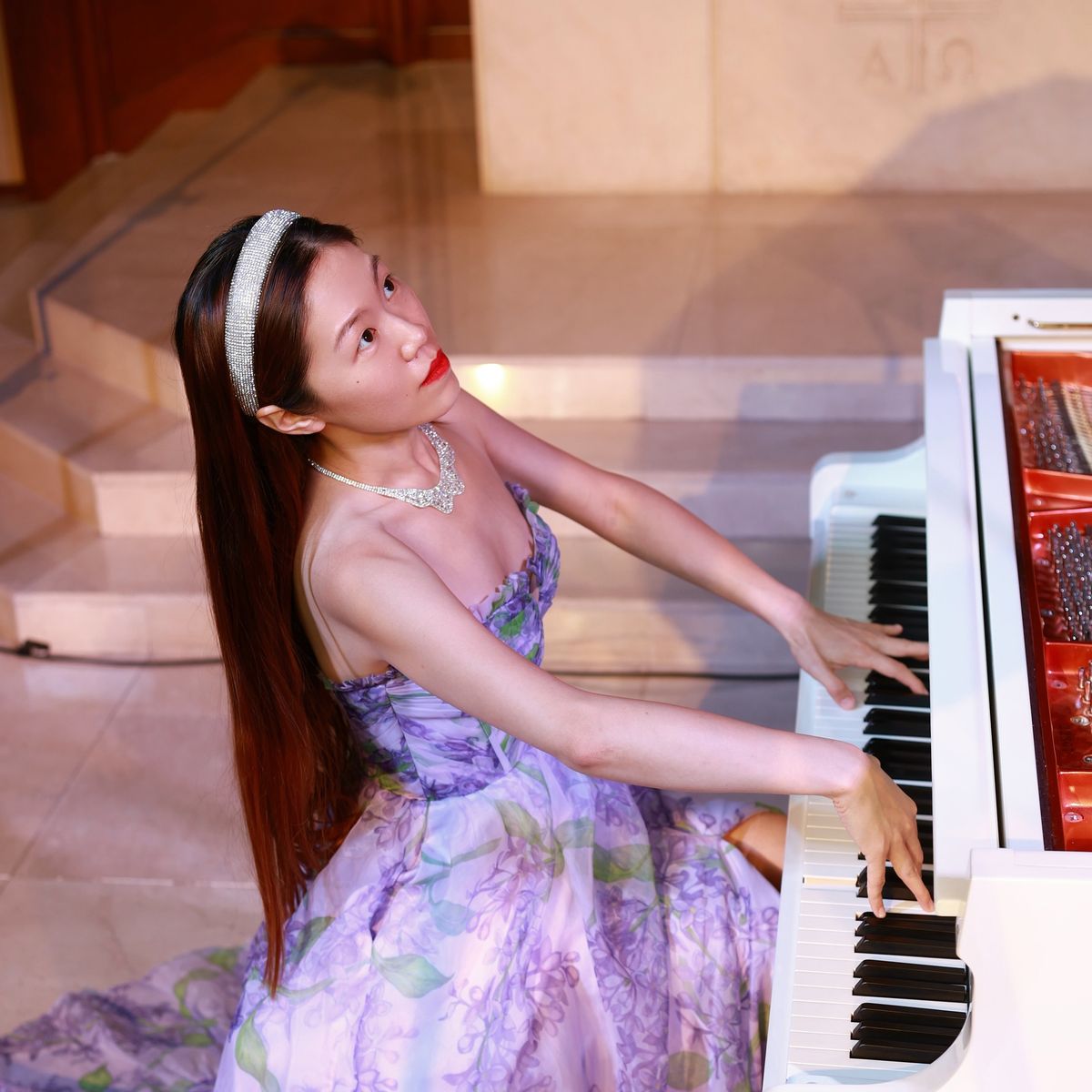
Tingting Wu writes for piano as if the instrument were a miniature stage, capable of holding whole worlds within a few carefully placed notes. On The Music Box Lovers
, the concert pianist and composer builds one of those worlds from delicate materials: glinting melody, restrained melancholy, and the faintly uncanny magic of a childhood keepsake that still stirs when its mechanism is wound. The piece begins almost in suspension before a subtle change of key alters its emotional temperature. On paper, the movement is slight. In Wu’s hands, it feels like a hidden door swinging open.
Behind the composition sits a fairy tale of Wu’s own making. A lonely prince lives inside a delicate music box, unable to escape its confines. When a princess discovers him, she chooses not to rescue him but to enter his world instead. Then the dance begins. Wu leaves much of the storytelling to the piano, allowing gesture and phrasing to suggest what words might otherwise explain. The melody moves between tenderness and restraint, while the playing carries a faint mechanical quality, as though the instrument itself were setting some tiny internal machinery in motion. Romance and melancholy become inseparable: the lovers have found one another, but only within the limits of the box.
That tension gives The Music Box Lovers
its emotional architecture. Wu resists the grand crescendos that might ordinarily accompany such a cinematic premise, preferring small changes that gradually redraw the scene. The shift from B♭ minor to B minor creates an almost imperceptible dislocation; a gentle rhythmic lift introduces the suggestion of dance; the closing movement climbs into the piano’s upper register until the music seems reduced to a brittle, vanishing echo. Each detail advances the narrative without breaking its spell. The dancers may turn together, but the walls around them never disappear.
That precision sits naturally within Wu’s wider practice, where classical discipline meets an instinct for visual and narrative design. As the founder of LumiMusic, she has developed an immersive concert format in which live piano and synchronized lighting operate as interconnected expressive languages. Yet her compositions can feel strikingly private by comparison. There is an intimacy to The Music Box Lovers
that suggests a listener leaning close enough to hear not only the notes, but the spaces between them.
Following Turning, Wu continues to develop a body of work shaped by that meeting point between formal control and imaginative storytelling. What matters here is less scale than clarity: the ability to establish character, movement, setting, and unresolved longing without ever leaving the piano bench.
The Music Box Lovers
ultimately leaves its fairy tale suspended rather than completed. A prince, a princess, a miniature world, a dance that cannot extend beyond its walls. Wu offers no conventional happily-ever-after. Instead, the final high notes hang in the air like the last chime of the mechanism, leaving the lovers together somewhere inside the silence.
If you would like to submit your music for playlist or feature consideration, please submit here via our partnership with MusoSoup.