
A Five-Track EP Steeped In Psychedelic Haze, Street-Corner Soul, And Bruised Hope
listen to the article
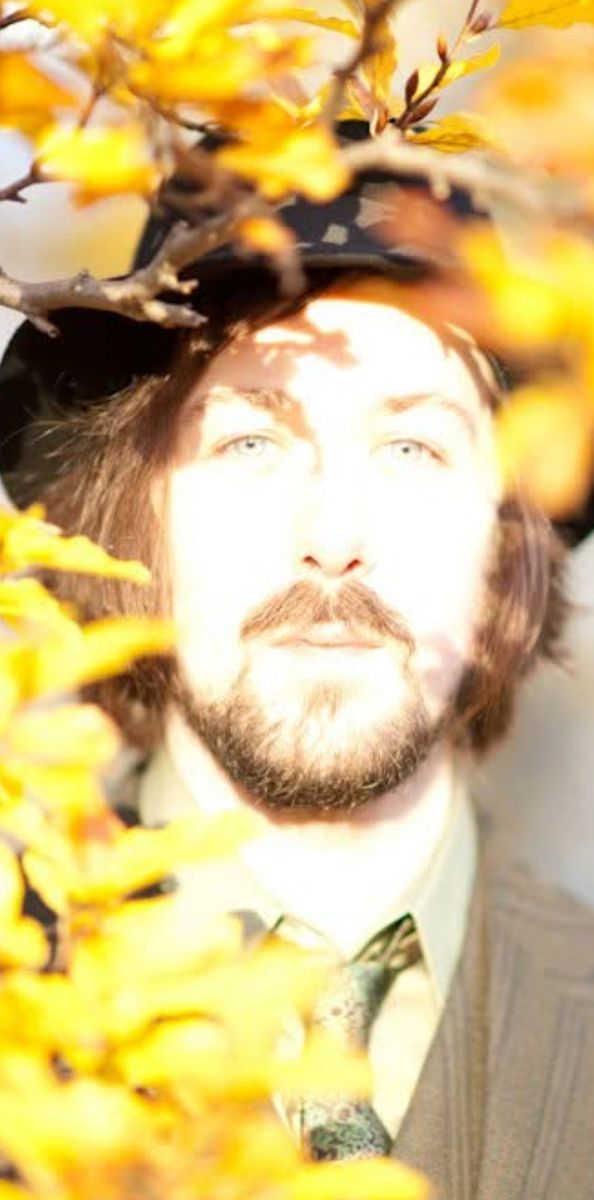
Stewart Traquair writes toward a light that refuses to stay fixed. On Held the Pulse, the Glasgow songwriter follows it across five songs shaped by city air, bruised romance and memories flickering at the edge of recognition. The EP carries the ornate warmth of baroque folk and the loose, searching atmosphere of late-’60s psychedelia, with ringing 12-string guitar and layered harmonies giving the record an amber, slightly weathered glow.
Born in Pretoria and now based in Glasgow, Traquair brings contrasting geographies into the music: sun-struck recollection on one side, neon streets and abandoned shipyards on the other. That tension gives Held the Pulse its emotional climate. His guitar chimes with a bright, brittle lustre, while his voice carries the grain of someone speaking after midnight, when certainty has thinned and every admission feels more exposed.
Produced, recorded and mixed by Roscoe Wilson, the EP favours texture over gloss. Acoustic strings ring into open space, harmonies gather and disperse, and melodies drift outward before the rhythm draws them back. There is a pastoral quality to parts of the writing, but it is filtered through urban experience. Traquair’s songs are less concerned with escape than with the traces people and places leave behind: boarded windows, fading glamour, missed encounters and the uneasy pull of memory.
The influence of the late 1960s appears most clearly in the record’s sense of arrangement. Voices stack into hazy clusters, guitars overlap in bright filigrees, and songs feel capable of changing direction midway through a thought. There are echoes of the era’s communal harmonies and ornate melodic structures, but Traquair uses that language to frame contemporary forms of dislocation. Beauty and unease occupy the same space.
Girl, Your Mind Is a Dangerous Game
settles into one of the EP’s most unsettled moods. The track circles attraction and doubt with hypnotic persistence, caught between fascination and self-preservation. Its tension is magnetic rather than explosive, gathering through repeated phrases, smouldering glances and the suspicion that desire may be leading somewhere neither person can control.
The title track introduces a different kind of warmth. Held the Pulse
carries a gospel-tinged lift, its harmonies opening the arrangement without erasing the roughness underneath. Traquair sings as though trying to maintain contact with something fragile, aware that whatever he is holding may already be changing. Its hope is provisional rather than triumphant: a decision to remain present rather than a promise that the danger has passed.
A Great Time to Be Alive
carries a similarly complicated brightness. The title gestures toward celebration, but the song hears the strain beneath the phrase, particularly as modern city life begins pressing in from every direction. Traquair treats uncertainty as an ordinary condition rather than a dramatic interruption. These songs inhabit the hours after conversations have ended, when their meanings are still shifting and the mind continues to replay what cannot be resolved.
That refusal to settle into a single emotional register gives Held the Pulse its character. Traquair moves between weariness and wonder, intimacy and distance, allowing the songs to retain their unanswered questions. The arrangements glow around those uncertainties without disguising them, carrying faded romance, close harmony and street-level observation into the dark.
By the end, Held the Pulse feels less like a collection of conclusions than a series of illuminated fragments. Traquair lets each one surface briefly, recede and return altered by the angle of the light.
If you would like to submit your music for playlist or feature consideration, please submit here via our partnership with MusoSoup.