Questions, Legacy, And The Quiet Weight Of Growing Up In Lincolnshire
listen to the article

Riri Rose’s Questions I’ll Never Know
begins with the landscape that raised her: a small Lincolnshire village, narrow lanes worn familiar through repetition, and a graveyard holding generations of names she may never fully know. As the first single from her next project, the song draws those surroundings into a meditation on ancestry, identity, and the gaps that remain in every family history.
Its indie pop-folk framework favours memory over spectacle. Rose looks toward the people who came before her and wonders whether they walked the same paths, carried similar grief, or recognised her face in an earlier generation. The questions remain unanswered, but the song does not strain toward resolution. Instead, it stays with the unease of partial knowledge: the sense that a life can be shaped by stories that were never recorded and people remembered only through fragments.
The village becomes more than a backdrop. Damp earth, weathered stone, and familiar roads place the song within a landscape where the past remains physically close. Rose writes about inheritance as something encountered in ordinary places, not preserved in a tidy archive. A grave marker, an old photograph, or a repeated family feature can briefly collapse the distance between generations before the mystery closes again.
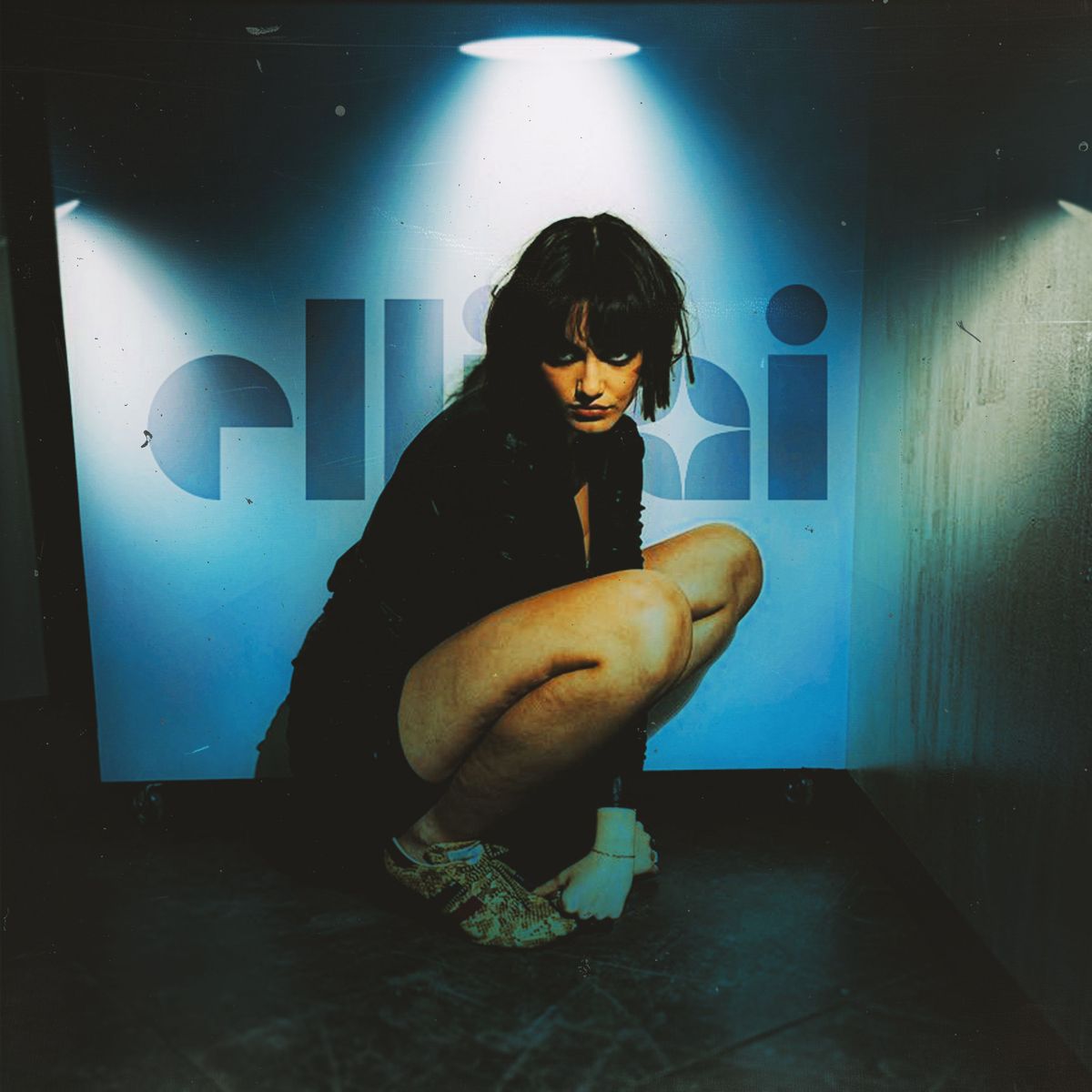
Old cameras also informed the song’s visual language, particularly the fingerprints left behind after years of handling. The image carries its own quiet intimacy: an object passed between people, collecting traces from everyone who touched it. Rose approaches family history in much the same way, attentive to the marks that survive even when the full story has disappeared. She does not try to complete the missing record. Her writing follows the evidence that remains.
That attention to absence reflects the wider role songwriting has played in her life. Rose began making music after a frightening health flare-up disrupted the direction she had known, using songs to examine the person she became in its aftermath. Questions I’ll Never Know
carries that sense of reconstruction. Its reflections on ancestry sit beside a more immediate search for self, joining questions about where she comes from with questions about how experience alters identity.
Rose has described herself as constantly lost and constantly found, a tension that runs naturally through the song. Discovery arrives in small flashes rather than revelations. A familiar place can suddenly appear strange; an inherited feature can feel comforting one moment and unknowable the next. Her writing allows those contradictions to remain unresolved.
The theatrical quality often associated with Rose emerges through scale rather than excess. She gives quiet images dramatic weight: a held note, a fingerprint on an old camera, a name cut into stone. The song’s emotion gathers gradually, with stillness doing as much work as any grand gesture.
Questions I’ll Never Know
introduces a project rooted in rural memory, family lineage, and survival after disruption. Rose stands among the remains of stories she cannot recover, listening for what still echoes. The questions may never yield answers, but they reveal the depth of her attachment to the people, places, and histories that continue to shape her.
If you would like to submit your music for playlist or feature consideration, please submit here via our partnership with MusoSoup.