Sheffield Heritage, Home-Recorded Intimacy, And Cinematic Calm
listen to the article
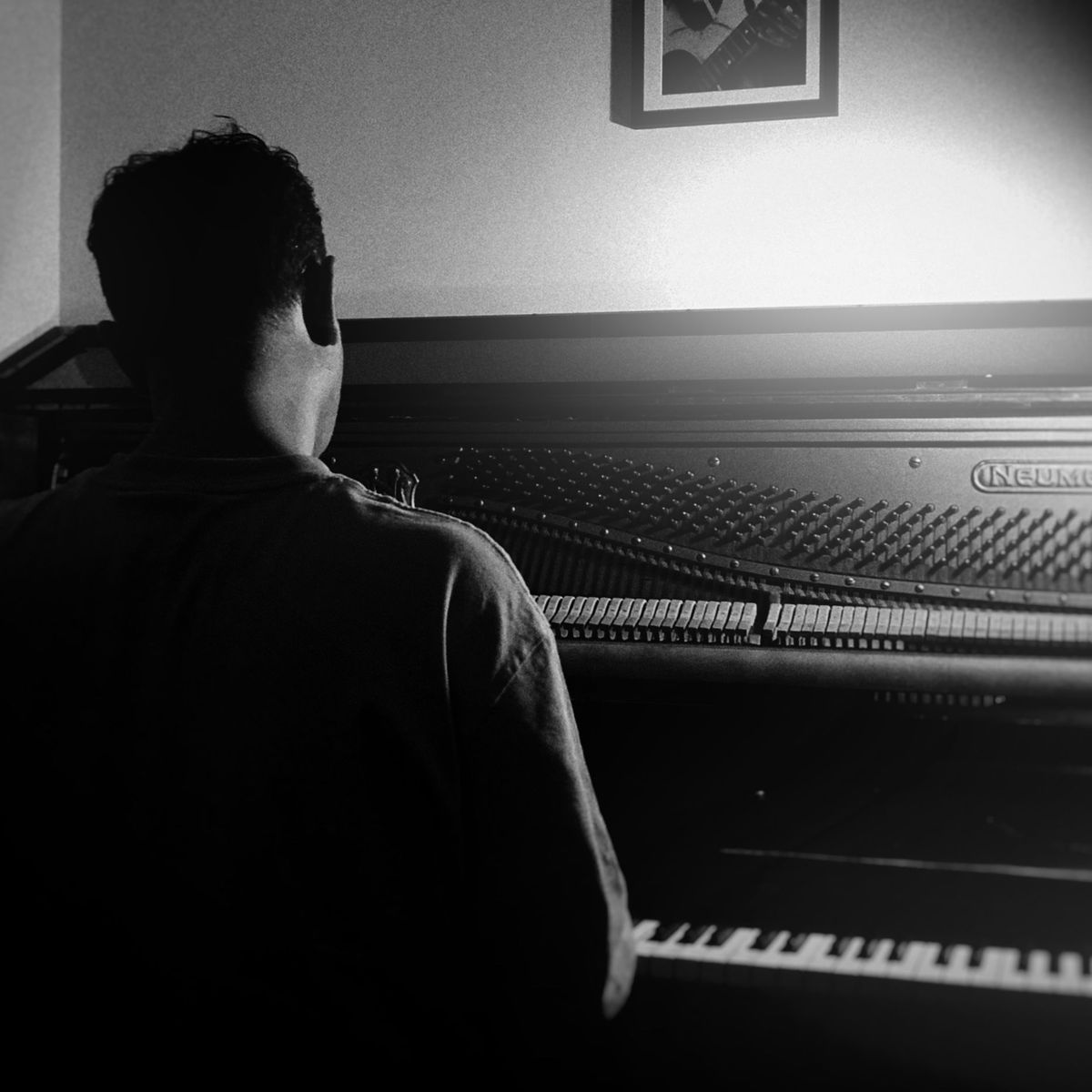
Christopher Hawkins has built a career out of crossing borders without making a fuss about it. On Where the World Can’t Find You, the Sheffield-born composer folds contemporary classical piano into the slow-bloom drama of post-rock, and the result feels less like a genre exercise than a place you can step into. Written and recorded entirely at home, the album carries the grain of its own making: close, deliberate, unhurried.
This is Hawkins at his most contemplative. The record’s 10 instrumental pieces move like light shifting across a wall at different hours of the day. Piano lines arrive with a gentle hand, then strings, guitars, and drums widen the frame until the music feels cinematic without tipping into excess. It’s the kind of sound that can hold stillness and swell in the same breath, drawing on the precision of neoclassical writing and the emotional lift of bands like Explosions in the Sky, while keeping its own quiet centre.
That sense of inward motion gives the album its shape. Hawkins has said, This album is a quiet retreat from modern life. It explores the places we go to that other people usually don’t see—whether that’s sitting alone watching a sunrise or navigating deeply private moments of reflection and healing inside our own minds.
That idea runs through the album like a pulse. Tracks such as Waiting for Sunrise
, Night Forest
, and Home
feel like doorways into hidden sanctuaries, physical and mental spaces where grief, memory, and recovery can settle without interruption.
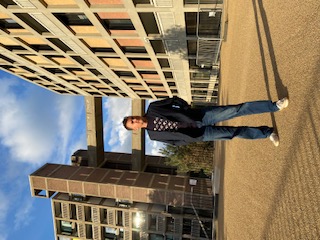
There’s a distinctly Sheffield quality to the whole project, even when the music drifts far beyond the city limits. Hawkins has always drawn from the contrast in his hometown: the hard geometry of industrial architecture against the softer pull of the Peak District. Here, that tension becomes atmosphere. The album cover, featuring Park Hill estate with kind permission from brutalist artist Mandy Payne, gives the release a concrete backbone. It grounds the music in a landscape that is both stark and strangely tender.
Hawkins’ range also gives this release extra weight. His earlier work, from the acclaimed Silent Conversations to his heavy electronic rock project North Machine, shows an artist who is comfortable changing shape without losing his identity. That versatility matters here. Where the World Can’t Find You doesn’t chase spectacle. It listens inward. It leaves space for silence, for memory, for the kind of thoughts that only surface when the room is finally still.
For listeners drawn to Nils Frahm, Max Richter, or Olafur Arnalds, this album lands in familiar territory, but Hawkins gives it a personal accent. He makes solitude feel architectural, and he makes home sound like a refuge.
If you would like to submit your music for playlist or feature consideration, please submit here via our partnership with MusoSoup.