
An Americana Firebrand Leans Into Defiance, Grace, And The Old Power Of A Song
listen to the article
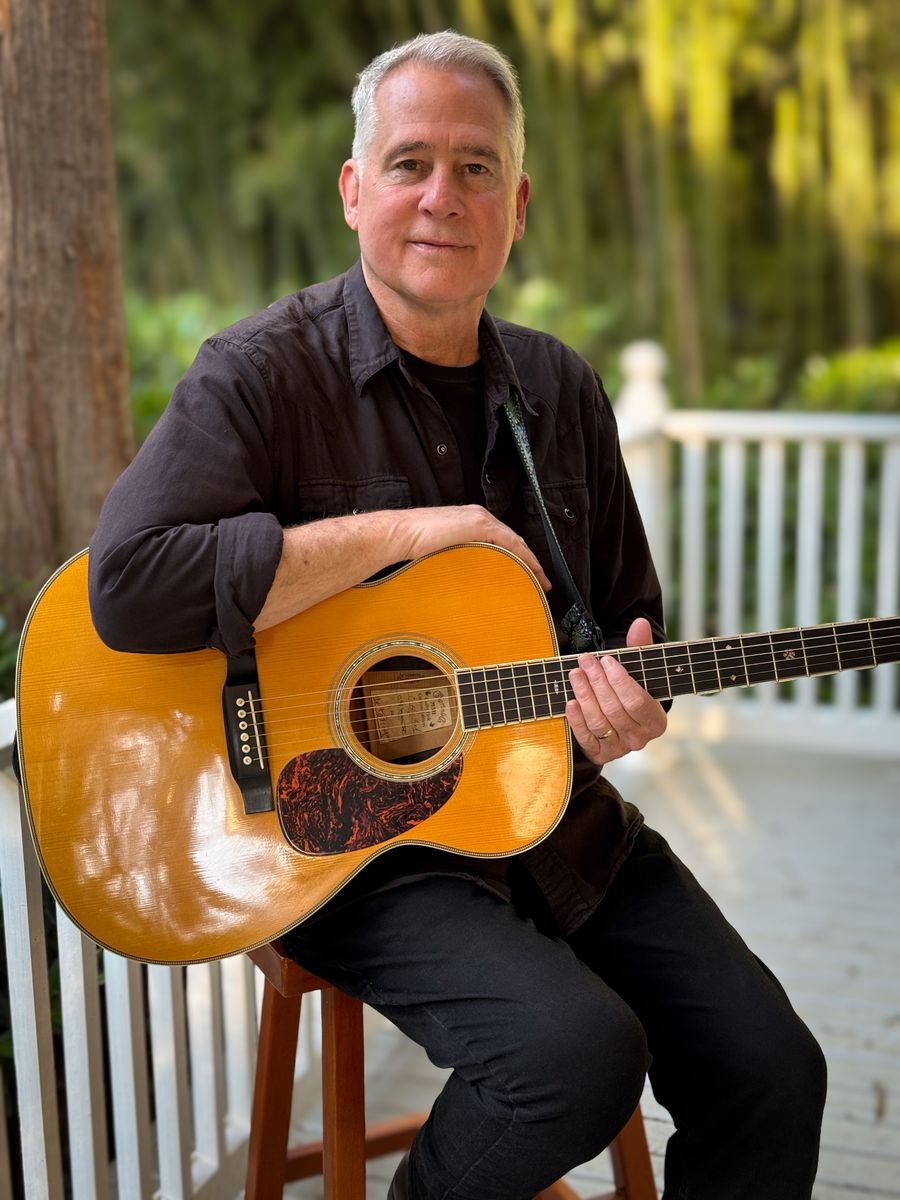
David Scott Weaver writes from the meeting point of conviction and community. On Songs of Hope and Resistance, the Silver Spring songwriter brings Americana, folk, bluegrass, gospel and rock into a compact collection shaped by political urgency and communal resolve. The songs carry the intimacy of a front porch gathering, the lift of a chapel chorus and the blunt force of voices raised in public.
That breadth comes partly from the musicians Weaver gathers around him. Cathy Fink and Marcy Marxer bring deep roots knowledge and a natural rhythmic ease. Beth Nielsen Chapman adds a measured vocal presence, while Crys Matthews carries the lineage of contemporary protest songwriting into the room. Ron Stewart and Fred Travers of the Seldom Scene ground the arrangements with bluegrass precision. Recorded at The Bar in Gaithersburg and mastered in Nashville, the EP draws on acoustic guitar, dobro, pedal steel, mandolin, banjo, keys, drums and choir vocals, giving each song its own balance of grit, movement and release.
Weaver’s writing is direct because the subjects demand it. “Everything That Jesus Wouldn’t Do”
turns religious hypocrisy into a sharply drawn indictment, using wit to expose the distance between public faith and private action. “I Don’t Want Your Billions, Mister”
reaches into the long tradition of American labour and protest music, framing wealth and power in language designed to be sung collectively. “Fight the Fascists”
breaks from the record’s roots-based centre with a punk-charged rush, its impatience carried through clipped momentum and confrontational phrasing.
Elsewhere, Weaver lowers the volume and lets repetition create weight. “We Cannot Bend”
draws strength from its steadiness, while “Lift Up Your Voice”
treats singing as a practical form of solidarity. “Thoughts and Prayers”
addresses the exhaustion behind a phrase that has become inseparable from recurring tragedy. Weaver approaches it as someone tired of watching ritual language stand in for meaningful action, shaping the song around grief, frustration and the demand for change.
The record sits clearly within the lineage of Woody Guthrie, Pete Seeger, Bob Dylan and Tom Paxton. Weaver draws from their belief that a song can carry an argument, preserve a memory and make collective feeling audible. Those influences appear in his plainspoken phrasing, memorable choruses and preference for arrangements that leave the message exposed. The music does not treat protest as historical costume. It treats the form as an active tool.
Beth Nielsen Chapman describes the EP as “a powerful new collection of songs that will inspire and help us through these troubled times.” Her comment speaks to the record’s central impulse: these songs are written for use. They are meant to be repeated, shared and carried into rooms where resolve may be wearing thin.
Across Songs of Hope and Resistance, Weaver makes space for anger, faith, grief and persistence within the same musical vocabulary. The record argues that clarity still matters, and that a chorus can remain one of the simplest ways for people to find one another.
If you would like to submit your music for playlist or feature consideration, please submit here via our partnership with MusoSoup.