> Fields: New Folk – feature updates every Wednesday
listen to the article
Paraic Cal Sweeney – Jobless Dreamer
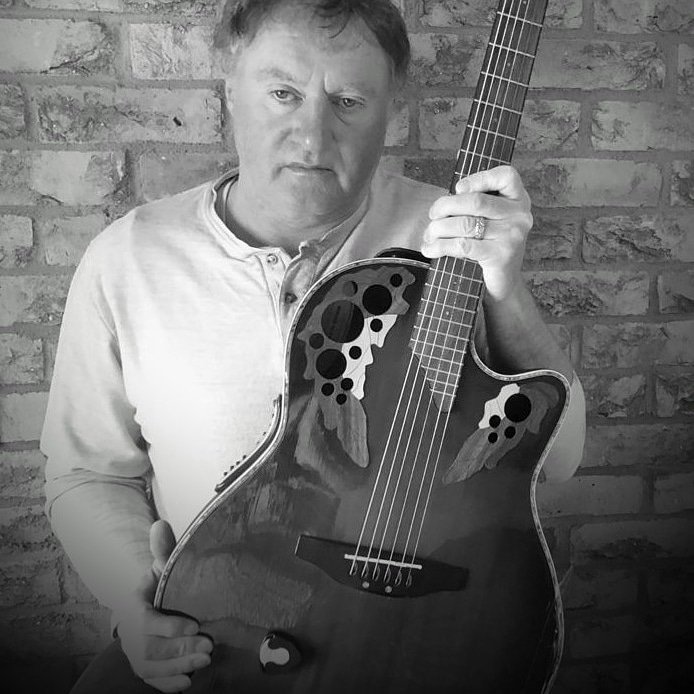
Paraic Cal Sweeney Turns A Private Folk Song Into A Quiet Public Reckoning
Galway singer-songwriter Paraic Cal Sweeney gives “Jobless Dreamer” the hush and gravity of a song that’s been waiting decades to be heard. Written and recorded privately in 1990, it draws from the plainspoken storytelling of Ralph McTell and Jim Croce, but its ache feels distinctly Irish: unemployment, social pressure, and the slow erosion of self-worth. Marsey and Debbie Wallis’ harmonies soften the edges, while Gerry Mulholland’s piano and harmonica lend the track a weathered glow, like light slipping through an old kitchen window.
What makes it land is its refusal to stay in the past. Though rooted in 1980s Ireland, “Jobless Dreamer” still catches the same loneliness and helplessness that shadow younger generations now. There’s tribute here, too, and tenderness — a reminder that folk music can carry memory without embalming it. Sweeney doesn’t dress the wound; he lets it speak.
Orbital Flow – Little Light
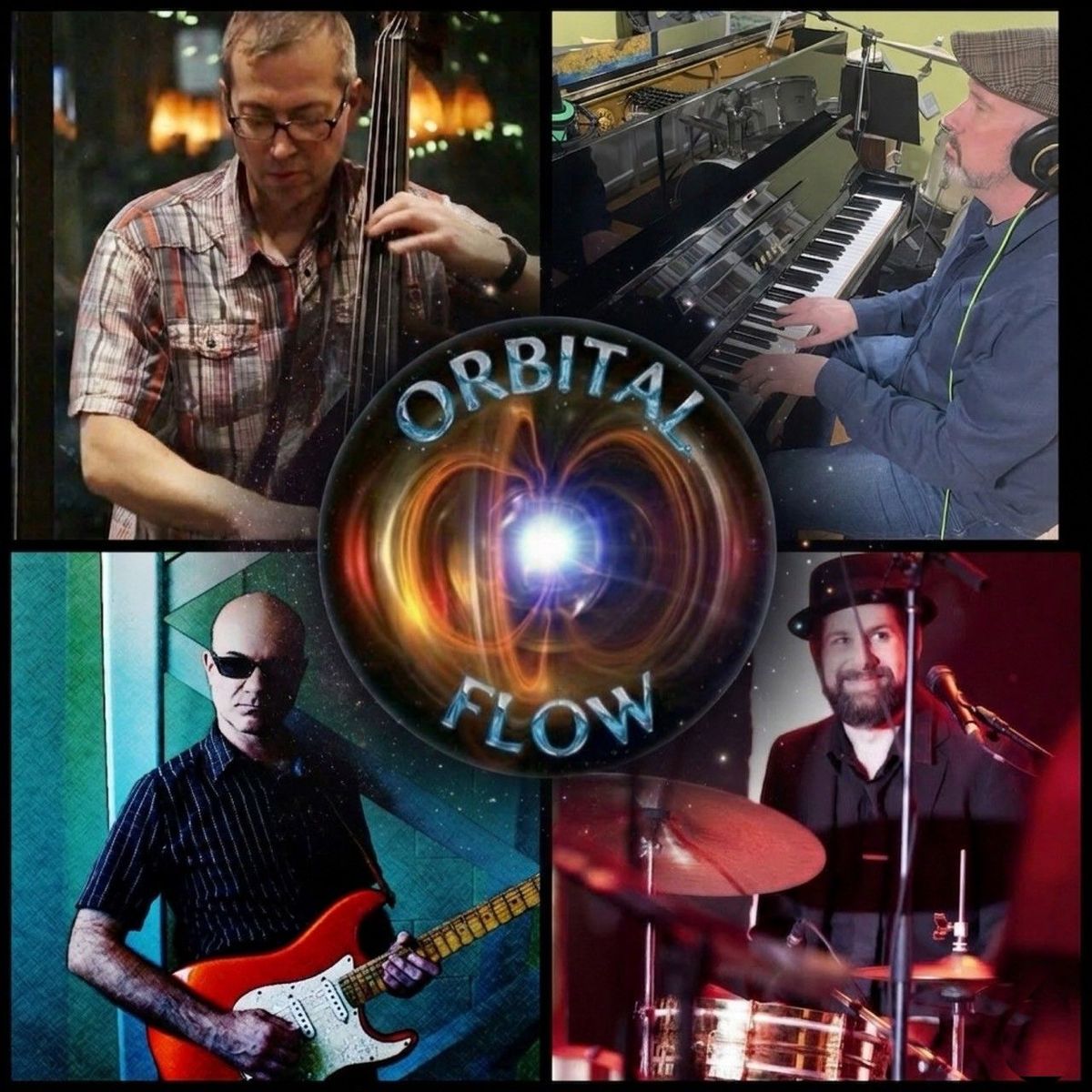
Orbital Flow Finds A Quiet Radiance In “Little Light”
Orbital Flow have a way of making restraint feel expansive, and “Little Light” is a fine example of that gift. Written by Dave Olsen and tracked in his home studio, the song moves like a hush settling over a room: piano at the center, guitar tracing the edges, upright bass and percussion giving the whole piece a slow, human pulse. It’s a meditative ballad, but never fragile; Olsen’s vocal leans into the story of a woman finding a way through suffering by reaching toward something eternal inside herself.
That emotional clarity suits a band that has spent 15 years learning how to breathe together. With indie folk, rock, and jazz in their bloodstream, Orbital Flow shape intimacy into something wider, letting each phrase shimmer with patience and purpose. “Little Light” feels less like a performance than a shared act of care.
Laura Williams and Joshua Hawk – After all these years
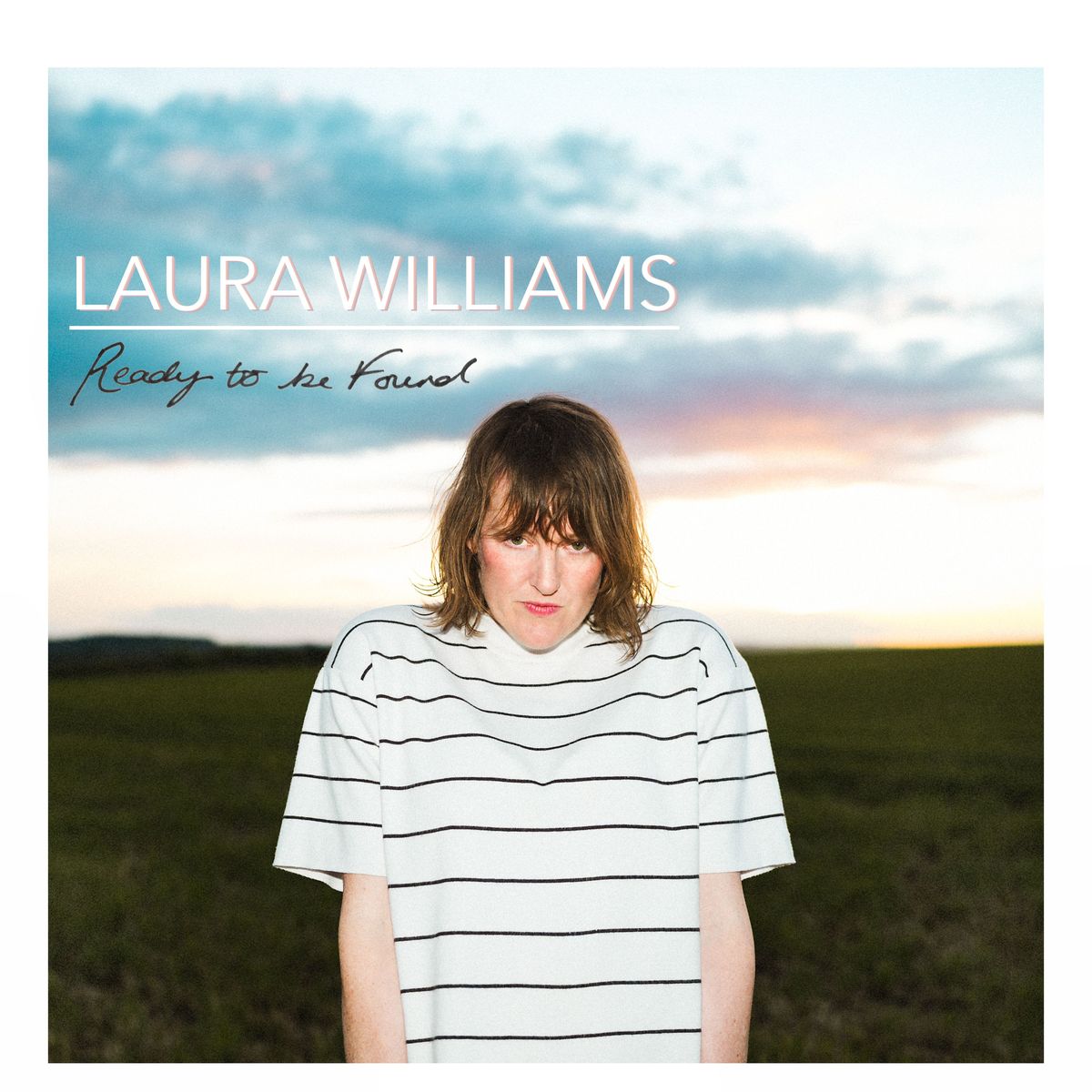
Laura Williams Finds Her Voice, And BBC Radio Finds It Too
Laura Williams turns long-held feeling into plainspoken confession on “After All These Years,” a duet with Joshua Hawk centred on love that has survived distance, silence and time. Its refrain is direct—“I can tell you I love you” and “It was always you”—but the restraint around those words gives them weight, as though the admission has taken years to reach the surface.
The track feels like a conversation between two perspectives finally meeting in the same place. Written and recorded at home with producer Dom Navarra, “After All These Years” carries the acoustic openness and plainspoken storytelling found across Ready to Be Found. Following BBC Introducing’s support for “Dusty Heart,” the duet also entered national BBC rotation, extending the reach of Williams’ independent debut without losing its close, personal scale.
<3peace. – THINGS MONEY CAN’T BUY.

<3peace. Finds The Price Of Peace In “THINGS MONEY CAN’T BUY.”
With “THINGS MONEY CAN’T BUY.,” <3peace. turns conviction into something you can hear. The single moves like a late-night confession, built from one studio session where every vocal, guitar line, and arrangement was handled by the artist himself. There’s a nostalgic pull in the production, somewhere between soundtrack melancholy and the plainspoken soul of classic singer-songwriters, but the center of gravity is spiritual: a reminder that success without peace is a costly trade.
Inspired by Mark 8:36, the track feels sharpened by lived experience, especially in the wake of a major label offer he refused on principle. That decision gives the song its centre. <3peace. doesn’t sound interested in chasing trends; he sounds like someone protecting his own compass. The result is intimate, cinematic, and quietly defiant — music that lingers because it knows exactly what it stands for.
Arn-Identified Flying Objects and Alien Friends – John in Roses’ Deep

A Folk Ballad Turns Toward Fire And Returns To A Whisper
Arn-Identified Flying Objects and Alien Friends keeps one foot in the old world and the other on the edge of a guitar amp. On “John in Roses’ Deep,” ALIEN FRIEND pulls from the 18th-century Swedish folk song “Sven i Rosengård,” reshaping its grim tale of brotherhood, flight, and a mother left waiting into something that feels ancient and immediate at once. Acoustic guitars, harpsichord, mandolins, and a soaring shawn carry the first half with a hushed, pastoral ache, before heavy drums and electric guitars briefly break the spell like a storm front crossing a clear field. Then the song folds back in on itself, ending quietly, almost in a whisper. It’s a deft move from an artist who once played guitar and sang in REDMOON, and it gives the single a shadowed grace that lingers after the last note.
If you would like to submit your music for playlist or feature consideration, please submit here via our partnership with MusoSoup.