
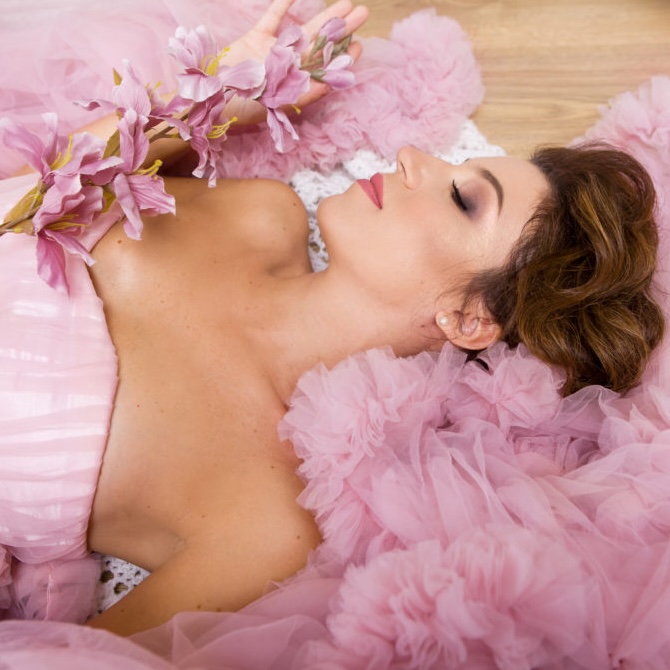
A Cinematic Piano Statement That Brings Grace, Access, And Modern Glamour To The Fore
listen to the article
Giulia Vazzoler has built her reputation where discipline meets spectacle: at grand pianos in five-star spaces, inside luxury houses, and in settings made for candlelight, silk, and immaculate acoustics. As Italy’s most-followed classical pianist on Instagram, she has spent two decades proving that classical music can live comfortably in the same world as contemporary style. With Per Elisa, she takes that idea further, turning one of the piano repertoire’s most familiar pieces into a sleek, emotionally charged statement about access, elegance, and renewal.
Built around Bagatelle No. 25 in A Minor, WoO 59, the release carries the weight of history without sounding trapped by it. Vazzoler approaches the piece with elegance and intent, letting the piano breathe rather than rush. The familiarity of the melody becomes part of the drama. These are notes many listeners already know by instinct, but her performance frames them with a sharpened sense of atmosphere, as if the music has been moved into a room with cleaner lines and softer light. The result feels cinematic in the truest sense: polished, intimate, and quietly dramatic.
There is a modern edge here too, a sense that Vazzoler is not preserving classical music behind glass, but opening the doors and inviting people in. That spirit sits at the heart of Per Elisa. She has long moved between academic mastery and a high-end contemporary aesthetic, and this project sharpens that dual identity. Her signature white piano, portable and sculptural, has become part of the story as much as the notes themselves, carrying her performances from rooftops to beaches and into spaces where classical music rarely arrives with such ease. It is a striking image, but it also says something practical: access matters.
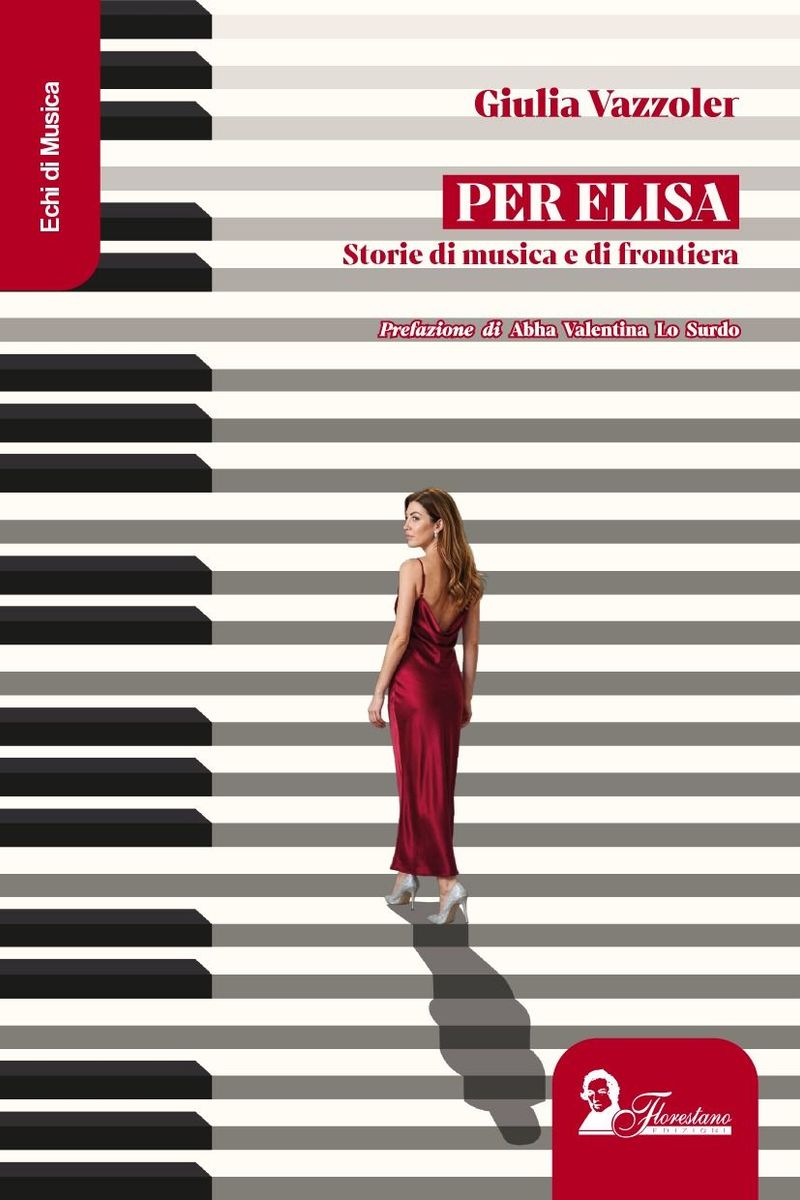
The single lands alongside her debut book, which has already found a strong audience, adding another layer to a project that feels carefully considered rather than merely decorative. Vazzoler’s work is about removing the dust from classical music’s reputation and restoring its pulse. She treats the genre with respect, but not with a reverence so stiff it becomes exclusionary. Instead, she leans into atmosphere, beauty, and clarity, making room for listeners who may love the sound of the piano but have never felt invited inside the room.
In that sense, Per Elisa is both a performance and a position statement. It is refined, yes, but also generous. In Giulia Vazzoler’s hands, that generosity sounds a lot like grace.
If you would like to submit your music for playlist or feature consideration, please submit here via our partnership with MusoSoup.