Theremin, Soprano Saxophone, Persian Echoes, And Electronic Haze Move Through An Album Built On Drift, Friction, And Possibility
listen to the article
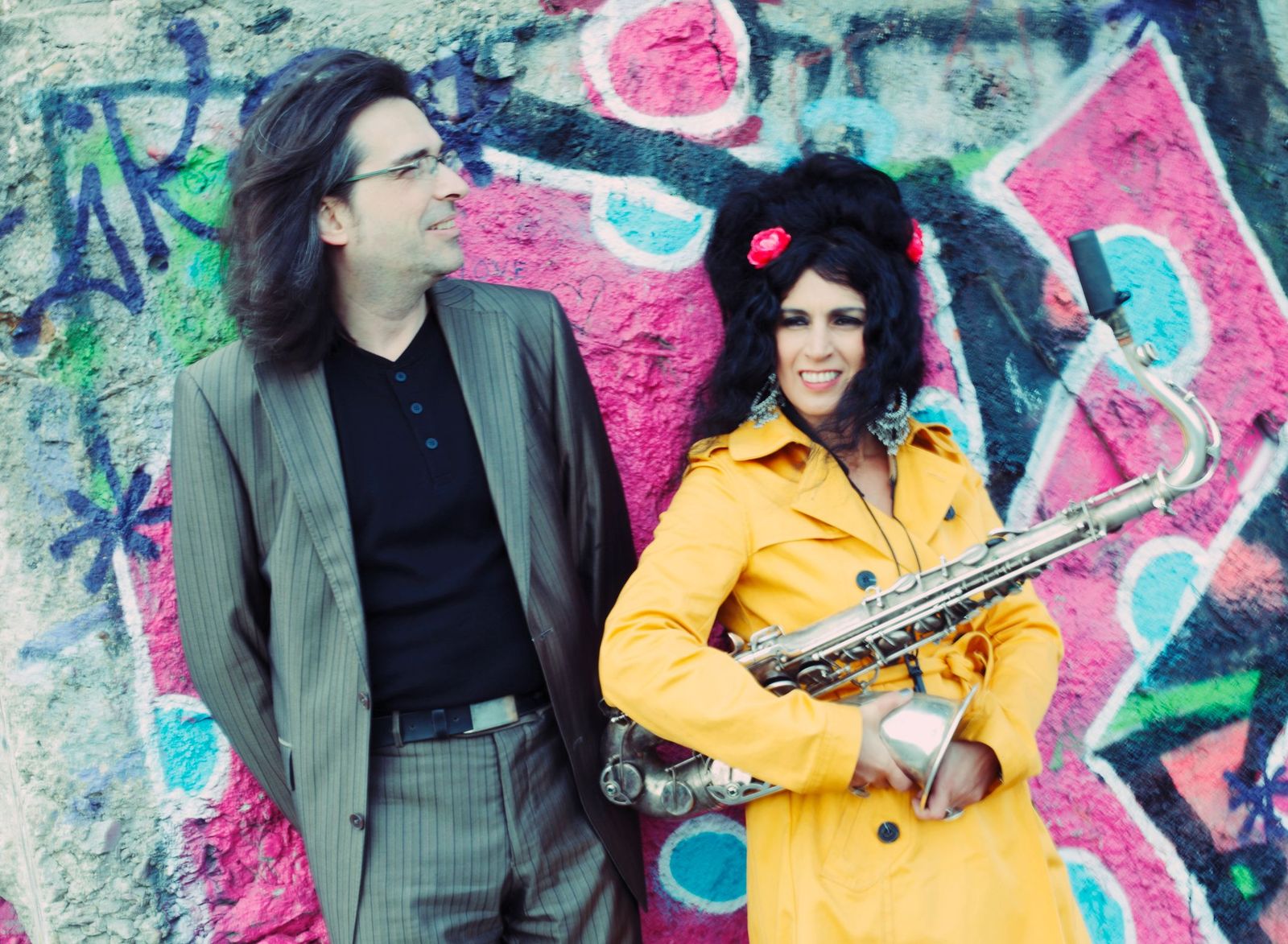
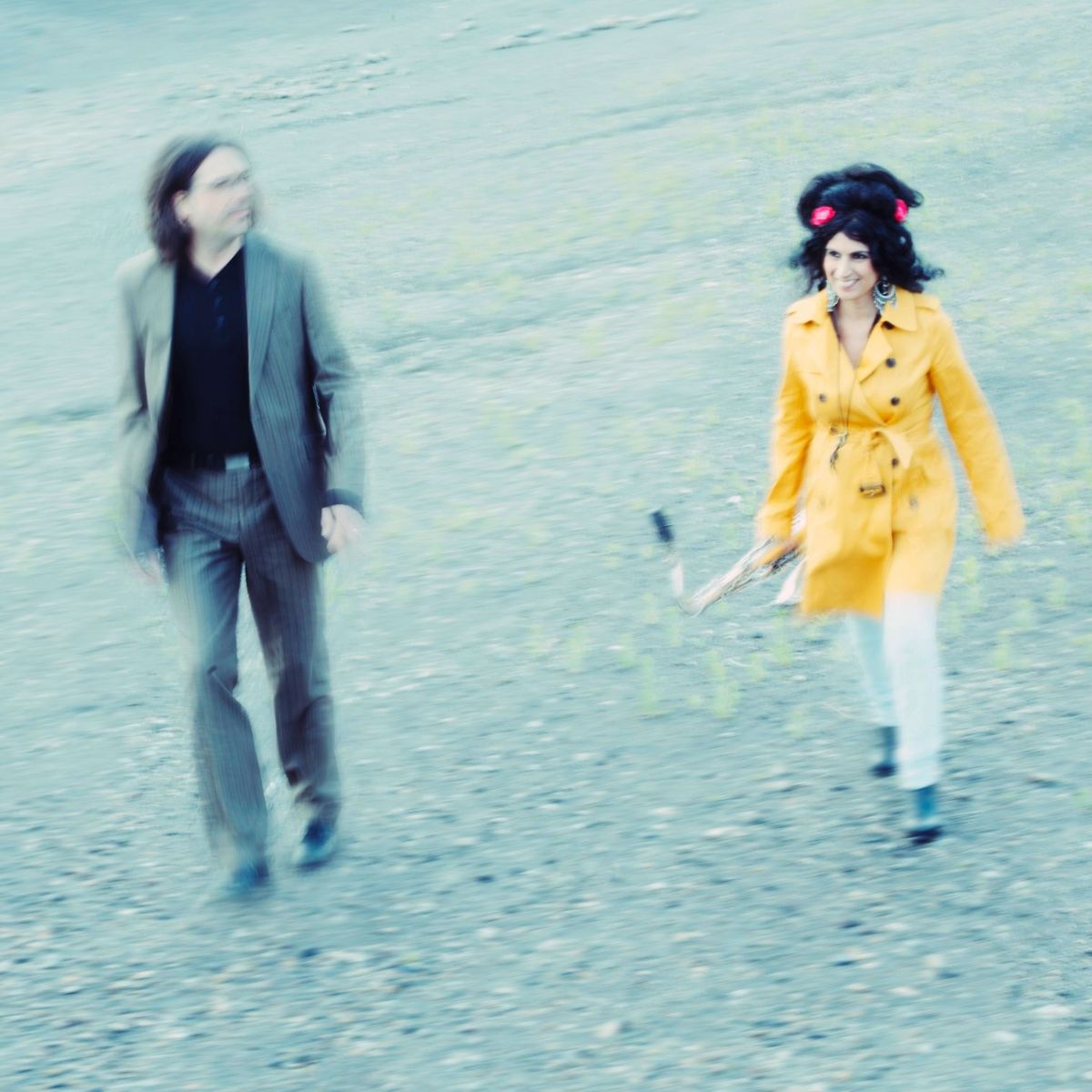
About Aphrodite’s Songs Without Words moves like a lantern carried through several cities at once: warm in the hand, flickering with histories, and always catching some new edge of the room. The duo of Gilda Razani and Hanzō Wanning treat genre less as a set of borders than a series of invitations, allowing Persian folk echoes to drift into jazz harmony, chamber-like precision, synth-pop shimmer, and electronic haze. What emerges is music with a rare sense of scale. It can feel close enough to hear the breath inside it, then open suddenly into something wider and more weathered, as if each piece is finding its own horizon.
Razani’s presence gives the project much of its strange, searching centre. Theremin and soprano saxophone make for an uncommon pairing, and on Songs Without Words they become two different forms of longing. The theremin glides with an almost spectral delicacy, its lines hovering like light caught in fog; the saxophone answers with breath, grain, and a distinctly human edge. Where one instrument seems to dissolve into air, the other pulls the music back toward the body. Wanning’s piano and synthesizers deepen that dialogue, shaping harmonic spaces that move between acoustic warmth and a cooler nocturnal pulse. When percussionist Fethi Ak enters on darbuka, the album gains another kind of heartbeat, one rooted in Turkish and Kurdish tradition and felt as much in the chest as in the ear.
Part of the album’s force comes from the tension between design and discovery. These pieces often feel carefully composed, with gestures placed deliberately and textures given room to bloom, yet they also carry the looseness of players listening closely to one another in real time. A passage can seem suspended, almost weightless, before rhythm or melodic instinct tilts it somewhere unexpected. That balance suits the record’s emotional weather. It moves through dreamy lightness, inward reflection, and quiet longing without pressing too hard on any single feeling. The restraint matters; rather than dramatizing emotion, About Aphrodite let it gather slowly.
The track titles deepen that sense of myth meeting lived experience. Sartschubeh
nods to turmeric and good fortune, grounding the music in colour, ritual, and blessing. Loretta’s Sinfonia
unfolds in two movements, beginning in slowness before turning toward dance. Taraneh
carries the weight of a short, courageous life, while Heroine of the Night
and Reverie
feel like scenes glimpsed through half-sleep: luminous, suggestive, and never fully fixed. Across the album, meaning often arrives through motion rather than explanation.
In that sense, Songs Without Words is less interested in destination than passage. It crosses between cultures, between written structure and instinct, between solitude and shared rhythm. At a time when so much music is asked to define itself quickly, About Aphrodite choose drift, friction, and possibility. The album does not hand listeners a map. It invites them to stay attentive as the map redraws itself.
If you would like to submit your music for playlist or feature consideration, please submit here via our partnership with MusoSoup.