Late-Night Jazz Fusion, Urban Atmosphere, And Restless Improvisation Drive A Record Built For The Hours After Midnight
listen to the article
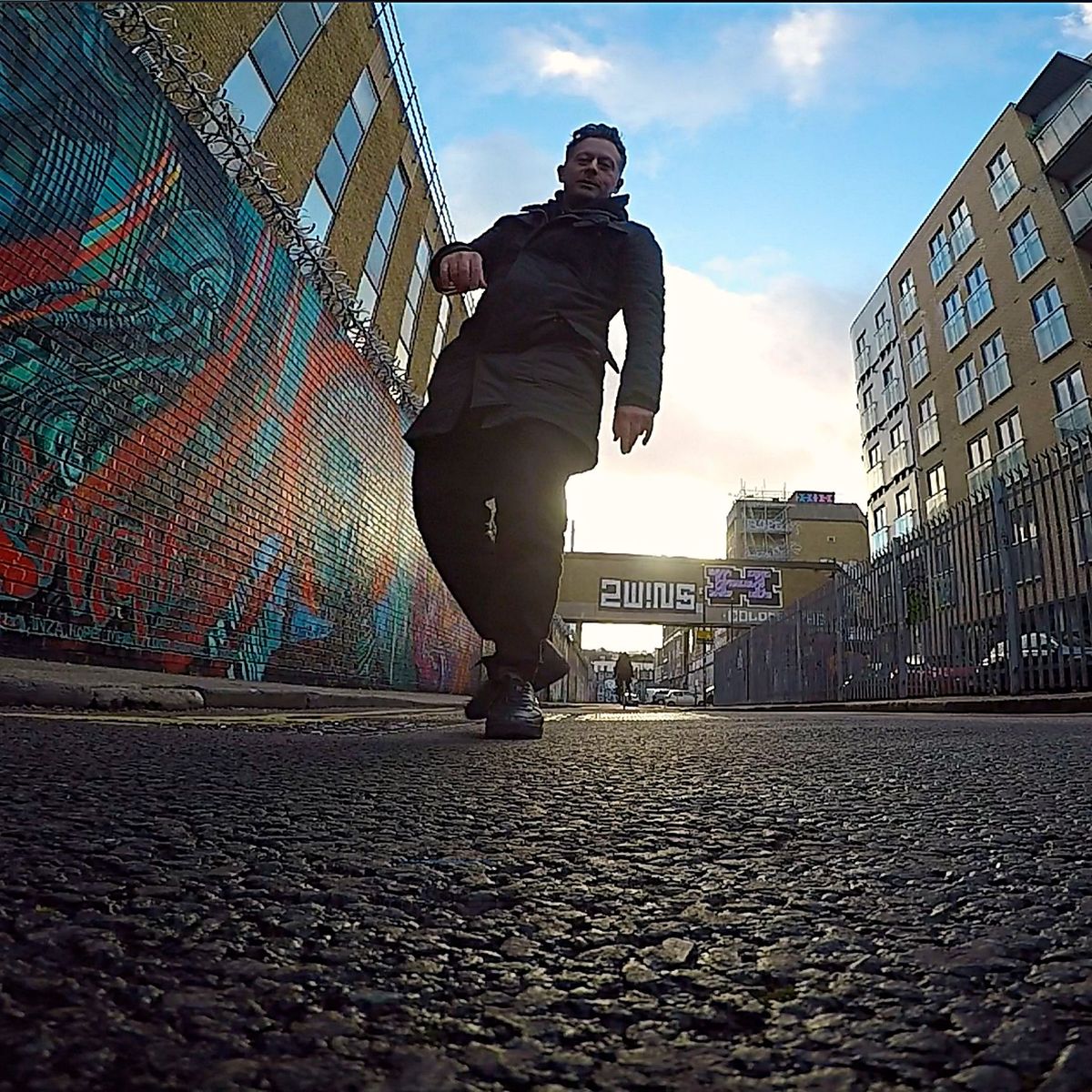
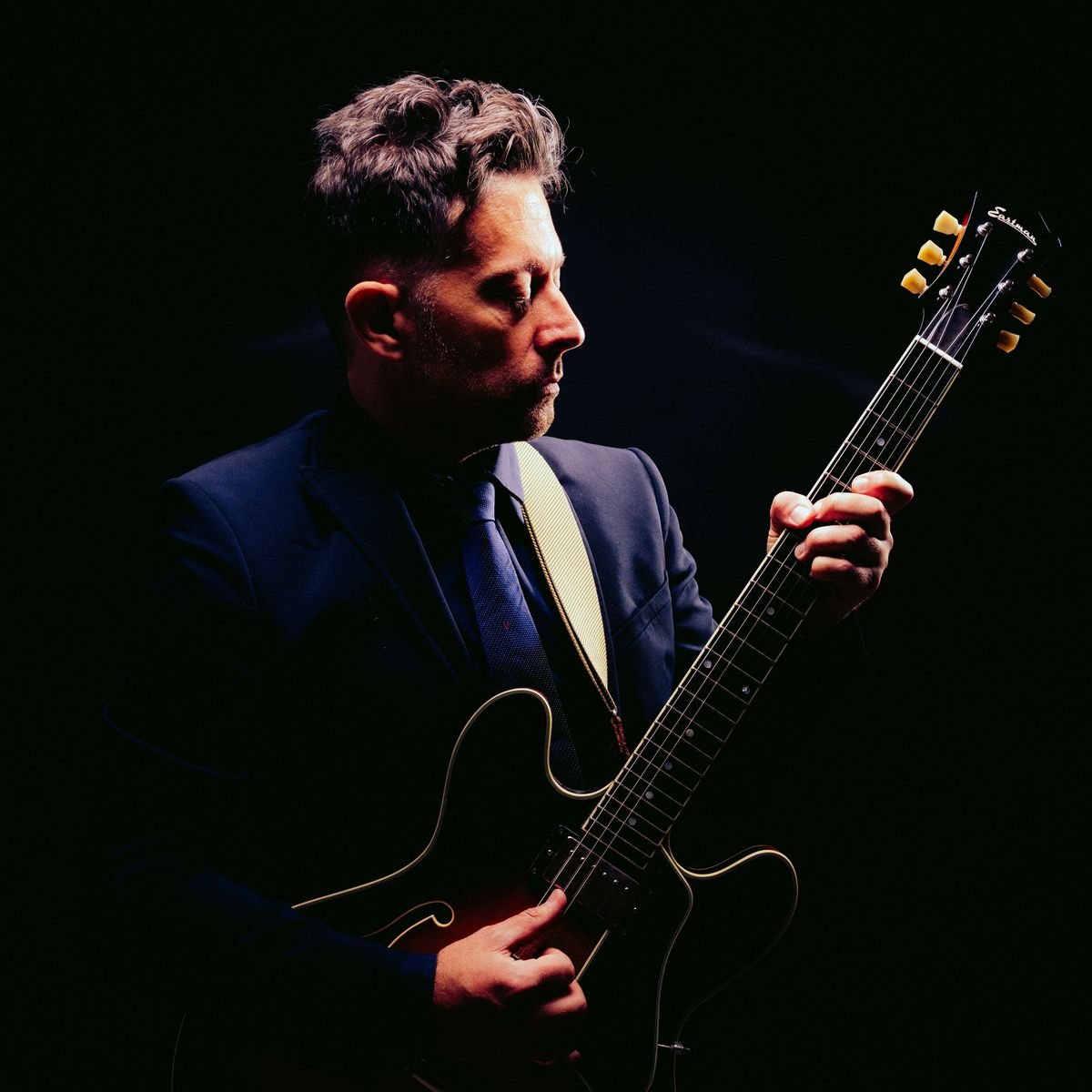
London guitarist, composer, and producer Titus Maz has a knack for making contemporary jazz feel lived-in rather than overworked. On Midnight Station, he leans into that instinct with a record shaped by late-night jam sessions, city movement, and the kind of thinking that only arrives after the gig is done and the streets have quieted down. Following the brighter mood of The Way You Like It, this new album feels like a deeper exhale: less polished, more immediate, and more willing to sit with uncertainty.
Maz’s sound sits comfortably in the overlap between groove-led fusion, hip-hop texture, and cinematic improvisation. There are echoes of Herbie Hancock and John Scofield in the phrasing, but also the modern pulse of Moses Boyd, Yussef Dayes, Tom Misch, and Kurt Rosenwinkel. That balance gives Midnight Station its shape. The title track moves fast, almost like it’s trying to catch a train before the doors close, while Ajna
bends around a 7/8 rhythm with a kind of nervous elegance. Elsewhere, This Year I Want to Travel More
brings a Latin-samba jazz sway that opens the album up with warmth and motion.
What stands out most is the production. Maz and drummer-beatmaker Coleman Hill keep the recording lean, using fewer mics, minimal overdubs, and a tight drum sound that hits with the dry snap of a room full of people listening closely. The result is raw in the best sense: not unfinished, but unmasked. Double bass appears more prominently here too, giving the music a deeper, woodier centre, while flashes of ’70s prog synth add a slight shimmer to tracks like Ajna
, Steppin’ on a Tree Branch
, and Never Been A Day Without You
.
The album’s emotional core comes through in its nocturnal imagery. Brooklyn subway stops, Brighton beaches, Hackney skies, and Naples streets all feed the record’s sense of motion and memory. Even when the music pushes forward rhythmically, there’s a reflective quality underneath it, as though Maz is documenting the thoughts that arrive between destinations. The recurring themes of travel, transition, and self-discovery give the record a loose narrative thread, connecting its many influences through a shared sense of movement.
That’s the heart of Midnight Station: a jazz record that doesn’t rush to explain itself, but keeps moving anyway. It feels like a musician stepping further into his own language, trusting instinct over perfection and atmosphere over certainty. With its blend of groove, improvisation, and late-night introspection, the album captures the peculiar clarity that sometimes arrives when the city finally goes quiet and there’s nothing left to do but keep going.
If you would like to submit your music for playlist or feature consideration, please submit here via our partnership with MusoSoup.