“GOAT” Reworks Ancient Myth, Generational Trauma, And Middle Eastern Rhythm Into A Darkly Kinetic Reckoning
listen to the article
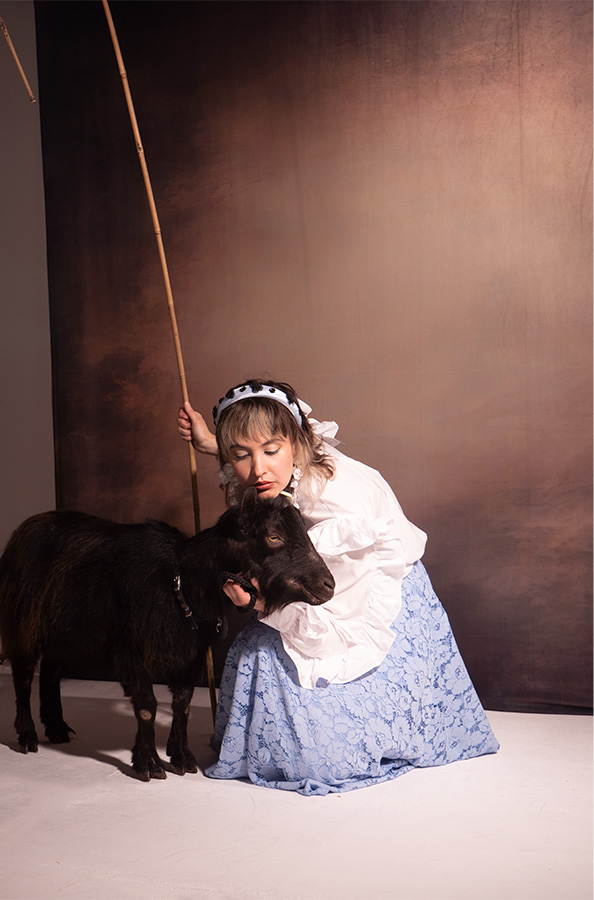
Salwa’s GOAT
turns an ancient mechanism of blame into something dark, physical, and startlingly current. The electro synth-pop artist returns with a single that moves through myth, identity, and inherited fracture, using the figure of the scapegoat not as metaphorical ornament, but as a living structure: something passed through families, cultures, and political histories until it becomes almost impossible to separate the personal from the collective.
Raised in Beirut and shaped by Lebanese, Palestinian, and Scottish roots, Salwa brings a layered sense of belonging to the track. GOAT
draws from that complexity, looking at how identity can be distorted by projection, displacement, and power. The song’s political charge is not delivered as a slogan. It lives in the body of the work, in the way Salwa connects scapegoat psychology to generational trauma and the Middle East’s long, uneasy relationship with global power.
The project extends beyond the song itself. GOAT
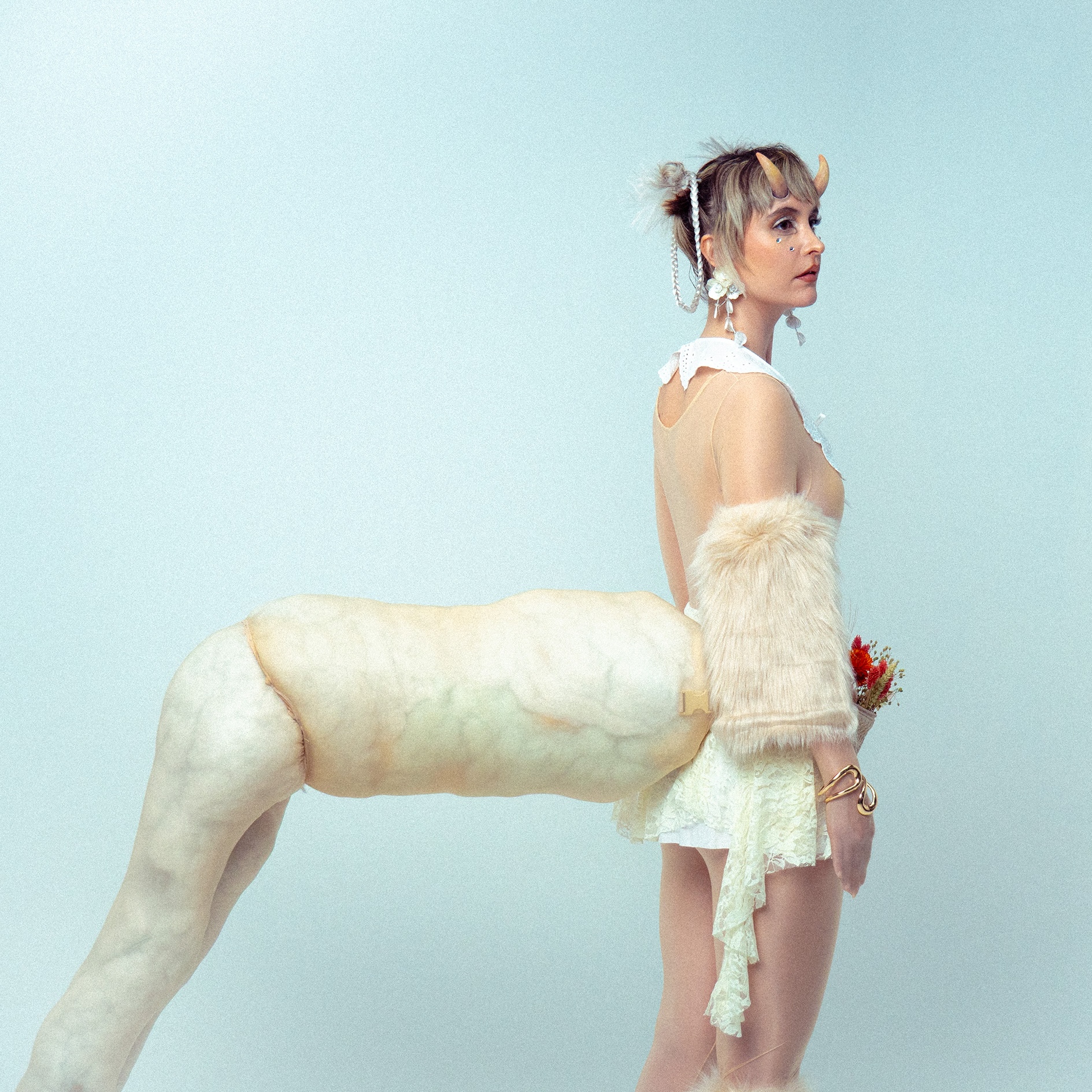
arrives with a visualiser and conceptual art film, deepening Salwa’s transformation into a figure that feels part human, part animal, part corrupted machine. To build the character, she spent months observing a goat named Chewy at a local farm, studying movement, presence, and instinct. The result is not costume, but embodiment: a performance that blurs creature, symbol, and self.
Musically, GOAT
is brooding and kinetic. Atmospheric synths coil around Middle Eastern percussion, giving the track a pulse that is both ritualistic and club-adjacent. With darbuka virtuoso Sass Khoury, Salwa grounds the production in regional rhythm while keeping the arrangement sleek, strange, and forward-facing. There are echoes of Habibi Funk’s groove-minded excavation and Lil Baba’s cross-cultural charge, but GOAT
belongs to Salwa’s own shadow-lit world.
Her research into scapegoat psychology gives the single its conceptual spine. “I’ve always felt like a scapegoat within my journey of belonging,” she shares, and that admission opens the door to a wider reckoning. The song does not reduce scapegoating to victimhood. Instead, it examines the role itself: how a person becomes a container for other people’s fear, guilt, and disorder, and what it means to reclaim agency from inside that distortion.
The visual world expands that inquiry across both image and performance. Syrian artist Sandy Matta’s cover artwork frames “GOAT” in a bleached, distorted visual language, turning the single’s mythology into something stark and symbolic. Salwa’s transformation into the Goat figure, developed with creative producer Jakub Kotwica, pushes the release into something more bodily and uncanny. Together, these elements suggest identity under pressure, identity in mutation, identity refusing to remain legible for someone else’s comfort. It is a fitting image for a release that treats hybridity not as confusion, but as force.
Salwa’s background as a trained actor and director through Drama Centre London gives GOAT
its theatrical intelligence. She understands character, tension, and image, but music remains the project’s bloodstream. The song is where the ideas become visceral, where research becomes rhythm, where myth becomes something you can move to.
With GOAT
, Salwa builds a world that is cerebral without becoming cold, danceable without losing its darkness. It asks listeners to reconsider the stories we inherit, the roles we are assigned, and the histories that continue to speak through the body. Ancient myth becomes modern pressure. The scapegoat steps into the light, not to be sacrificed, but to be seen.
If you would like to submit your music for playlist or feature consideration, please submit here via our partnership with MusoSoup.